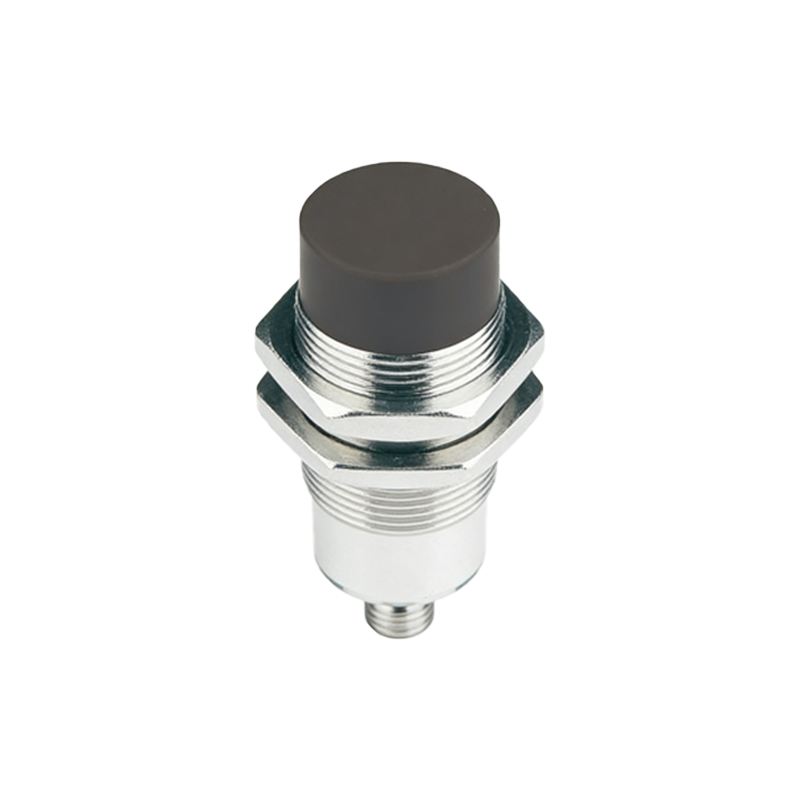
In the realm of industrial automation and control systems, proximity sensors stand as critical components for non-contact detection, enabling precise, reliable, and efficient operations. Among the various types, inductive proximity sensors, particularly cylindrical and ring-shaped models, are widely utilized for detecting metallic objects without physical contact. This article delves into the technology behind these sensors, key considerations for selecting a manufacturer, and their diverse applications across industries.
Proximity sensors operate on the principle of electromagnetic induction. An oscillator generates a high-frequency electromagnetic field from the sensor's face. When a metallic target enters this field, eddy currents are induced, causing a change in the oscillation amplitude. This change is detected by a threshold circuit, which triggers an output signal—typically a switch to control external devices like PLCs or relays. Key advantages include high switching frequency, resistance to environmental factors like dust and moisture, and long operational life due to the absence of moving parts. Manufacturers often highlight specifications such as sensing range (e.g., 2mm to 40mm for standard models), response time (in milliseconds), and housing materials (e.g., stainless steel or nickel-plated brass for durability).
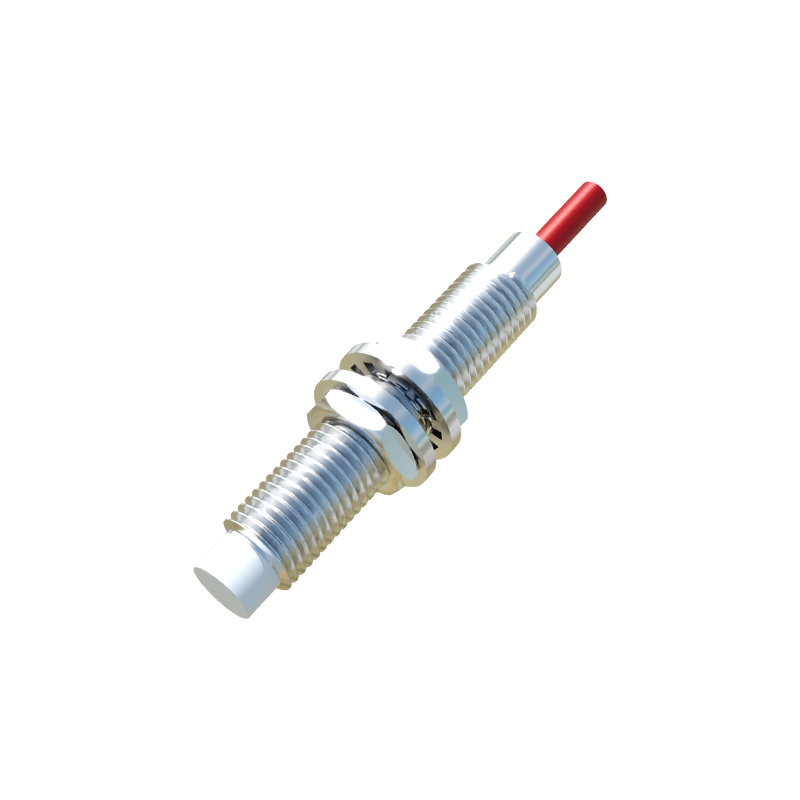
Selecting a reputable proximity sensor manufacturer requires careful evaluation of several factors. First, assess the product range: top manufacturers offer a variety of sensors, including standard inductive, capacitive (for non-metallic materials), and ultrasonic models, with options for different sizes, outputs (PNP/NPN, analog, or IO-Link), and connection types (cable or connector). Quality certifications like ISO 9001 for manufacturing processes and IP ratings (e.g., IP67 for dust and water resistance) are essential indicators of reliability. Technical support is another critical aspect; leading providers offer detailed datasheets, configuration tools, and application engineering assistance to ensure seamless integration. Cost-effectiveness should balance initial price with total cost of ownership, considering factors like energy efficiency and maintenance needs. Industry leaders often invest in R&D to innovate features such as embedded diagnostics or enhanced noise immunity, keeping pace with trends like Industry 4.0 and IoT connectivity.
Applications of proximity sensors span numerous sectors, underscoring their versatility. In automotive manufacturing, they are used for position sensing in assembly lines, detecting parts like pistons or gears with high precision. Packaging industries rely on them for counting products or monitoring fill levels, while material handling systems employ sensors for conveyor belt control and object detection. In robotics, proximity sensors facilitate safe navigation and object manipulation. Ring-shaped sensors, in particular, are ideal for applications requiring detection through a central aperture, such as verifying the presence of screws or monitoring wire feed in welding machines. Case studies from manufacturers often showcase how custom solutions—like high-temperature variants for foundries or washdown-proof models for food processing—address specific challenges, improving productivity and reducing downtime.
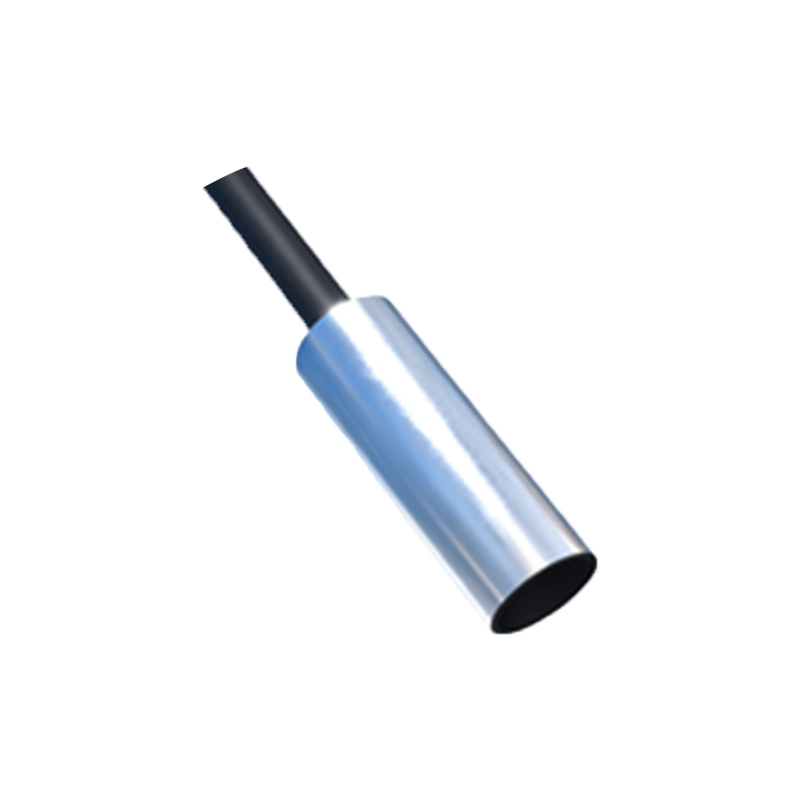
When sourcing from manufacturers, it's advisable to review industry benchmarks and customer feedback. Established companies typically provide global distribution networks, ensuring timely availability and local service. Online platforms and trade shows can be valuable resources for comparing products and engaging with technical experts. As automation advances, the demand for smart sensors with communication capabilities is growing, prompting manufacturers to develop integrated solutions that support predictive maintenance and data analytics.
In summary, proximity sensors are indispensable in modern industrial ecosystems. By understanding their technology, carefully selecting a manufacturer based on quality and support, and leveraging their broad applicability, engineers can optimize system performance and drive innovation. Whether for simple presence detection or complex automated processes, these sensors form the backbone of efficient, reliable operations.