In the dynamic landscape of modern industrial automation, the demand for precision, speed, and reliability has never been greater. High-speed proximity sensors stand as critical components at the forefront of this evolution, enabling machines to perceive their environment with unprecedented accuracy and rapidity. Unlike standard sensors, high-speed variants are engineered to detect the presence or absence of objects within microseconds, making them indispensable in applications where timing is paramount. Their operational principle, often based on inductive, capacitive, or photoelectric technologies, allows for non-contact detection, thereby eliminating mechanical wear and ensuring long-term operational stability.
The application scope of these sensors is vast and continuously expanding. In manufacturing assembly lines, they are pivotal for precise part positioning, robotic guidance, and high-speed counting. For instance, in automotive production, inductive high-speed sensors monitor the position of engine components on fast-moving conveyors, ensuring each part is correctly aligned for robotic assembly arms. Any deviation detected in nanoseconds can trigger an immediate corrective action, preventing costly production errors and downtime. Similarly, in packaging machinery, photoelectric sensors perform rapid object detection to synchronize filling, capping, and labeling processes at speeds exceeding hundreds of units per minute.
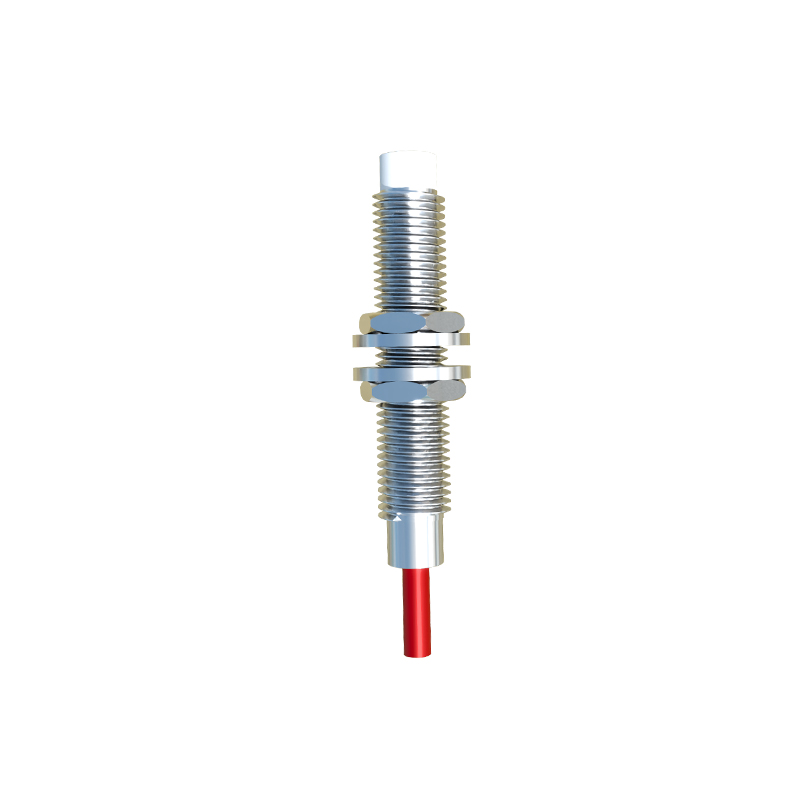
Beyond traditional manufacturing, high-speed proximity sensors are revolutionizing sectors like electronics and semiconductor fabrication. Here, miniature capacitive sensors detect ultra-thin wafers or delicate components without physical contact, safeguarding integrity while maintaining throughput in cleanroom environments. Their ability to function in challenging conditions—such as exposure to oils, coolants, or extreme temperatures—further broadens their utility in metalworking, food processing, and pharmaceutical industries. In logistics and material handling, they facilitate automated sorting systems by identifying parcel sizes and shapes on high-speed conveyors, optimizing warehouse efficiency.
The integration of Industry 4.0 and the Internet of Things (IoT) has further amplified the capabilities of these sensors. Equipped with smart features like IO-Link communication, they not only detect objects but also provide diagnostic data, such as temperature readings or contamination alerts, to predictive maintenance systems. This connectivity enables real-time monitoring and adjustments, reducing unplanned outages and enhancing overall equipment effectiveness (OEE). As robotics and autonomous systems advance, high-speed sensors will play an even more crucial role in enabling collaborative robots (cobots) to operate safely and efficiently alongside human workers, responding instantaneously to environmental changes.
Looking ahead, innovations in sensor technology, including the development of faster response times, higher switching frequencies, and enhanced immunity to electromagnetic interference, will continue to push boundaries. The trend towards miniaturization allows for installation in space-constrained applications, while improved sensing ranges offer greater flexibility. Ultimately, high-speed proximity sensors are not merely components but enablers of smarter, more agile industrial ecosystems. Their expanding application range underscores a fundamental shift towards automation that is not only faster but also more intelligent and adaptive, driving productivity and innovation across global industries.