Magnetic proximity sensors are widely utilized in industrial automation, safety systems, and lighting controls due to their non-contact operation, durability, and reliability. These sensors function by detecting the presence or absence of a magnetic field, typically from a permanent magnet, and triggering an electrical response—such as illuminating a lamp or activating a relay. However, a common failure mode encountered in practice is the "lamp open circuit" condition, where the indicator lamp fails to light despite the sensor detecting the magnetic target correctly. This article delves into the technical causes, diagnostic procedures, and solutions for magnetic proximity sensor lamp open circuit faults, providing insights for maintenance engineers and system designers.
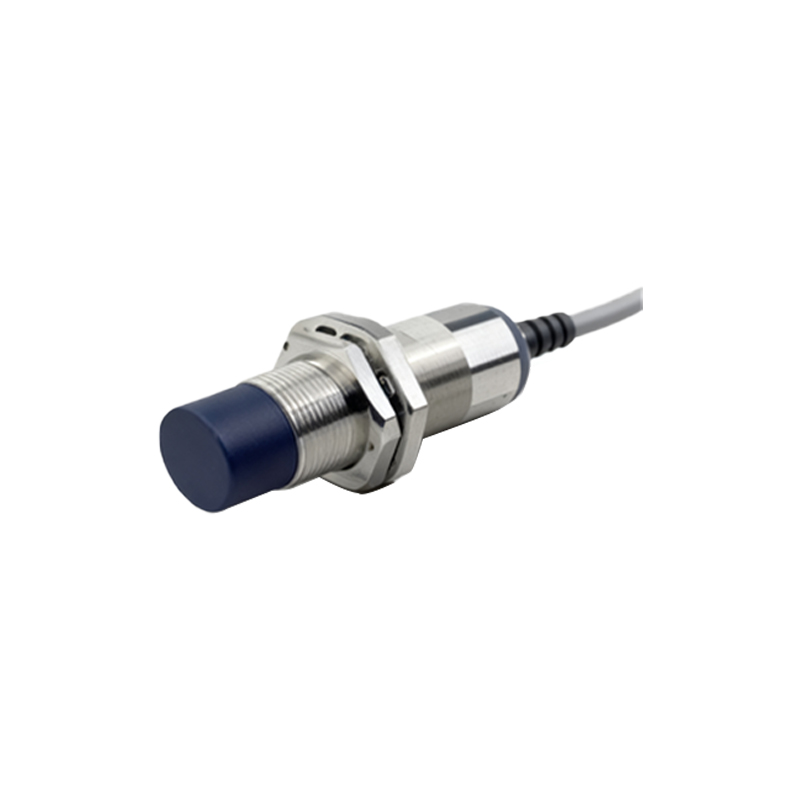
At its core, a magnetic proximity sensor consists of a reed switch or a Hall-effect sensor encapsulated in a protective housing. When a magnet approaches within the specified sensing range, the internal contacts close (for normally open types) or open (for normally closed types), completing or interrupting the circuit to the load—often an LED or incandescent lamp. An open circuit in the lamp pathway means that electrical continuity is broken, preventing current flow and thus illumination. This issue can stem from multiple points within the system, not merely the lamp itself.
Primary causes of lamp open circuit failures include:
1. Lamp Burnout: The most straightforward cause is the failure of the lamp filament or LED element. Over time, lamps degrade due to thermal cycling, voltage spikes, or exceeding rated current.
2. Wiring and Connection Faults: Loose, corroded, or broken wires in the circuit between the sensor output and the lamp can create an open condition. Vibration in industrial environments often exacerbates connection issues.
3. Sensor Output Stage Failure: The sensor's internal switching component—such as a transistor or relay—may fail. For instance, a blown transistor due to overcurrent or short circuit can render the output inactive, even if the sensing element is functional.
4. Power Supply Issues: Inadequate or unstable power to the sensor or lamp circuit can mimic an open circuit. Voltage drops below the lamp's operational threshold prevent illumination.
5. Incorrect Load Compatibility: Using a lamp with incompatible voltage or current ratings relative to the sensor's output specifications can lead to non-operation or rapid failure.
Diagnosing a lamp open circuit requires a systematic approach. Begin by verifying the power supply voltage at the sensor terminals using a multimeter. Ensure it matches the sensor's rated voltage (e.g., 12V DC or 24V DC). Next, check the sensor's operation by observing its output indicator (if available) or using the multimeter to measure output voltage when a magnet is presented. If the output activates but the lamp remains off, the fault lies downstream. Inspect the lamp by testing it directly with a known good power source or replacing it temporarily. Examine all wiring connections for continuity and integrity, paying attention to terminal blocks and splices. For sensors with configurable outputs (e.g., NPN vs. PNP), confirm the wiring matches the circuit design.
Preventive measures and solutions focus on enhancing system robustness. Select lamps with appropriate ratings and consider using LED indicators for longer lifespan and lower current draw. Implement proper wiring practices: use shielded cables in electrically noisy environments, secure connections with crimp terminals, and avoid excessive cable bending. Regularly inspect sensors and lamps as part of maintenance schedules, especially in high-vibration or harsh conditions. For critical applications, incorporate diagnostic features like built-in health indicators or use sensors with dual outputs for redundancy.
In summary, a magnetic proximity sensor lamp open circuit is a multifactorial issue that demands careful analysis. By understanding the sensor's operation, methodically troubleshooting the circuit, and adhering to best practices in installation and maintenance, engineers can minimize downtime and ensure reliable system performance. As automation evolves, selecting high-quality components and designing fault-tolerant circuits remain paramount in mitigating such common electrical faults.