In the realm of industrial automation and process control, accurate and reliable level detection is paramount. Among the myriad of technologies available, proximity switch level sensors stand out for their robustness, versatility, and non-contact operation. These sensors are indispensable components in managing liquids, granular solids, and slurries across diverse sectors including water treatment, chemical processing, food and beverage, and pharmaceuticals.
At its core, a proximity switch used for level sensing operates on the principle of detecting the presence or absence of a target material without physical contact. The most common types are inductive and capacitive proximity sensors. Inductive proximity sensors generate an electromagnetic field and are triggered by the presence of conductive metals. They are ideal for detecting metallic tank walls or float mechanisms. Capacitive proximity sensors, however, create an electrostatic field and can detect both conductive and non-conductive materials, such as water, oil, plastics, or powders, by sensing changes in capacitance caused by the target material entering the sensing field.
The installation and application of these sensors for level control typically involve two primary modes: point-level detection and continuous level monitoring. For point-level detection, the sensor is mounted at a specific height within a tank or vessel. When the material level rises to reach the sensor's sensing face, it triggers a switch signal. This signal can be used to activate an alarm, start a pump, or open a valve, effectively preventing overfills or run-dry conditions. Common configurations include high-level, low-level, or intermediate-level switches. For continuous monitoring, specially designed capacitive sensors with analog outputs can provide a variable signal proportional to the level, offering a more detailed view of inventory or process status.
Selecting the appropriate proximity switch for a level sensing application requires careful consideration of several key factors. First, the chemical and physical properties of the medium are critical. Factors such as conductivity, dielectric constant, temperature, pressure, and potential corrosiveness will dictate whether an inductive or capacitive sensor is suitable and what housing material (e.g., stainless steel, PEEK, PTFE) is required. Second, the process conditions, including vessel material (metal or plastic), presence of agitation, foam, or buildup, must be evaluated as they can affect sensor performance. Third, the required output type is chosen based on the control system needs—standard options include PNP/NPN transistor outputs, relay contacts, or analog 4-20mA/0-10V signals. Finally, the sensor's form factor, mounting style (threaded, flange), and protection rating (IP67/IP69K for washdown areas) must align with the installation environment.
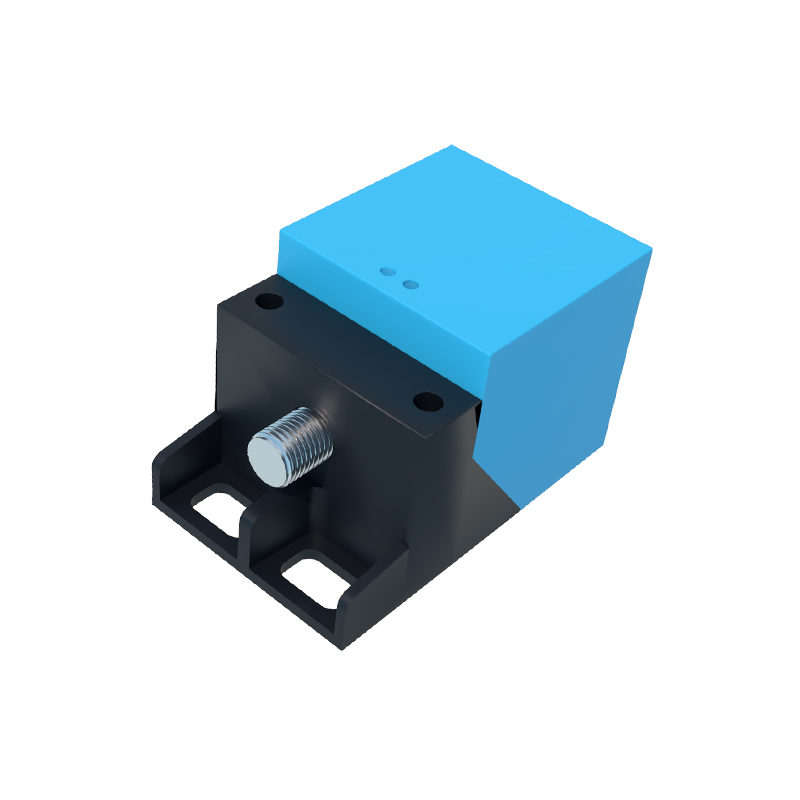
The advantages of using proximity switches for level sensing are numerous. Their non-contact nature eliminates issues related to mechanical wear, sticking, or material contamination. They offer fast response times, high switching frequencies, and exceptional longevity. With no moving parts in direct contact with the process media, they require minimal maintenance and are highly reliable even in harsh environments involving vibration, moisture, or extreme temperatures. Modern designs also incorporate advanced features like temperature compensation, built-in diagnostics, and IO-Link communication for smart factory integration.
However, challenges exist. For capacitive sensors, false triggering can occur due to material buildup on the sensor face or extreme changes in environmental humidity. Proper calibration and the use of sensors with built-in compensation circuits are essential. For inductive sensors, their limitation to metallic targets restricts their use in plastic or composite tanks unless a metallic target flag is used. Always consult the sensor's technical datasheet for specific sensing distances and derating factors when installed in metal tanks.
In conclusion, proximity switch level sensors provide a highly effective solution for a wide spectrum of level detection tasks. Their operational simplicity, coupled with engineering sophistication, makes them a cornerstone of modern industrial automation. By thoroughly analyzing the application requirements and selecting a sensor with the correct technology, output, and housing, engineers can ensure precise, dependable, and maintenance-free level control, thereby enhancing process safety, efficiency, and overall operational productivity.