In the demanding landscape of industrial automation, the reliability of sensing components is paramount. Among these, proximity sensors play a critical role in object detection, positioning, and process control. A key factor determining their long-term reliability and suitability for harsh environments is their waterproof capability. This evaluation delves into the waterproof performance of industrial proximity sensors, examining standards, testing methodologies, and real-world implications.
The ingress protection (IP) rating, as defined by the International Electrotechnical Commission standard IEC 60529, is the universal language for specifying environmental protection. For proximity sensors, the second digit of the IP code, which indicates protection against liquids, is of primary concern. Common ratings encountered include IP67, IP68, and IP69K. An IP67 rating certifies the sensor can withstand temporary immersion in water up to 1 meter for 30 minutes. IP68 offers a higher degree of protection, with the specifics of depth and duration defined by the manufacturer, often suitable for prolonged submersion. The IP69K rating signifies protection against high-pressure, high-temperature water jets, making it ideal for washdown applications in food and beverage or pharmaceutical industries.
Our evaluation protocol simulates these conditions. For IP67/68 validation, sensors are subjected to controlled immersion tests in a water tank at specified depths and durations, followed by immediate functional and insulation resistance checks. The IP69K test involves exposing the sensor to water jets from a specialized nozzle (80°C water at 80-100 bar pressure) from various angles at a distance of 10-15 cm for 30 seconds per position. Post-testing, a thorough inspection for internal condensation, corrosion on contacts, and any degradation in sensing range or output signal stability is conducted.
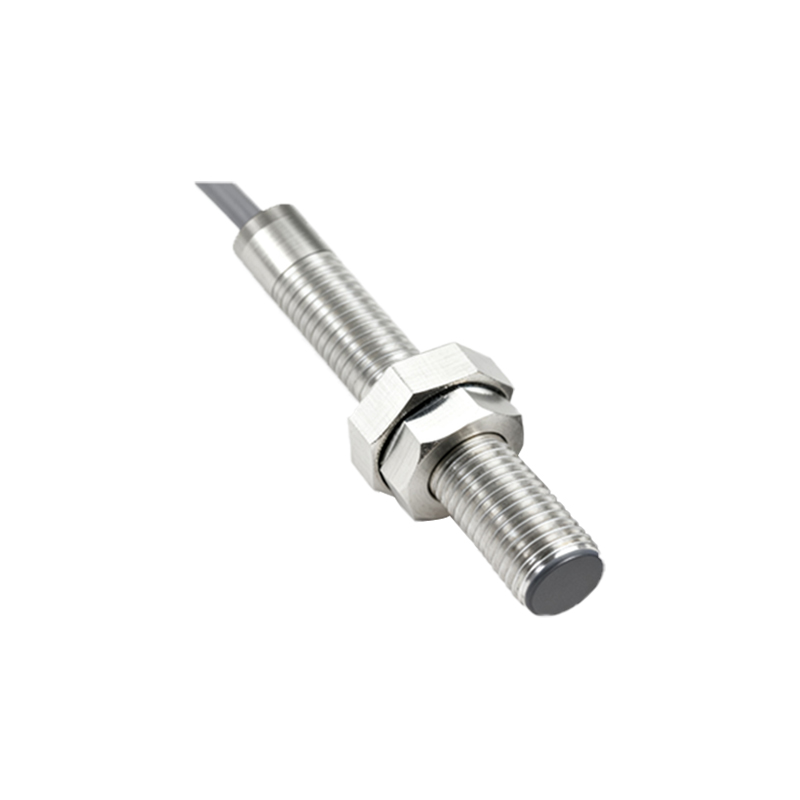
Material selection and design architecture are the foundational elements of waterproof integrity. The housing is typically constructed from stainless steel (e.g., SUS304, SUS316L) or high-grade engineering plastics like PBT or PPS. The critical seal is the O-ring, usually made from materials like Nitrile (NBR) for general use or Fluorocarbon (FKM/Viton) for superior chemical and temperature resistance. The quality of the cable gland or connector interface is equally crucial; a poorly designed gland is a common failure point. Potting the internal electronics with epoxy or silicone compounds provides an additional barrier against moisture ingress and mitigates the effects of thermal cycling, which can compromise static seals over time.
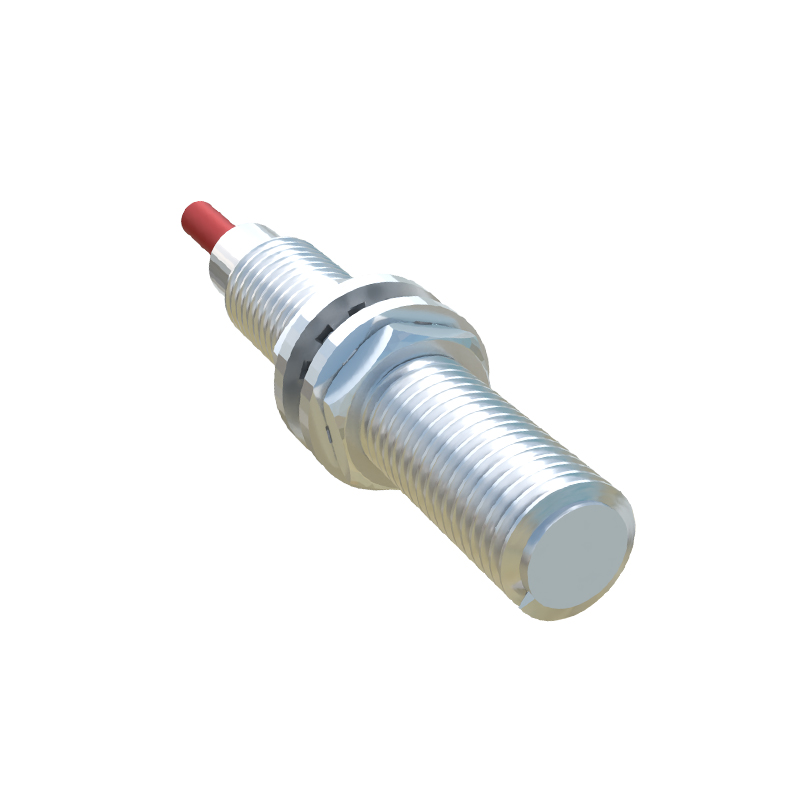
Beyond controlled lab tests, field performance in diverse industrial settings reveals nuanced challenges. In automotive manufacturing, sensors face intermittent exposure to coolants and oils. While many oils are less penetrating than water, they can degrade certain elastomer seals. In food processing, daily high-pressure, high-temperature washdowns with caustic cleaners present a combined chemical and thermal assault. Here, sensors with IP69K ratings and FDA-compliant seals are mandatory. Marine or offshore applications involve constant high humidity, salt spray, and potential submersion, demanding not just high IP ratings but also robust corrosion resistance, often specified by standards like NEMA 4X or 6P.
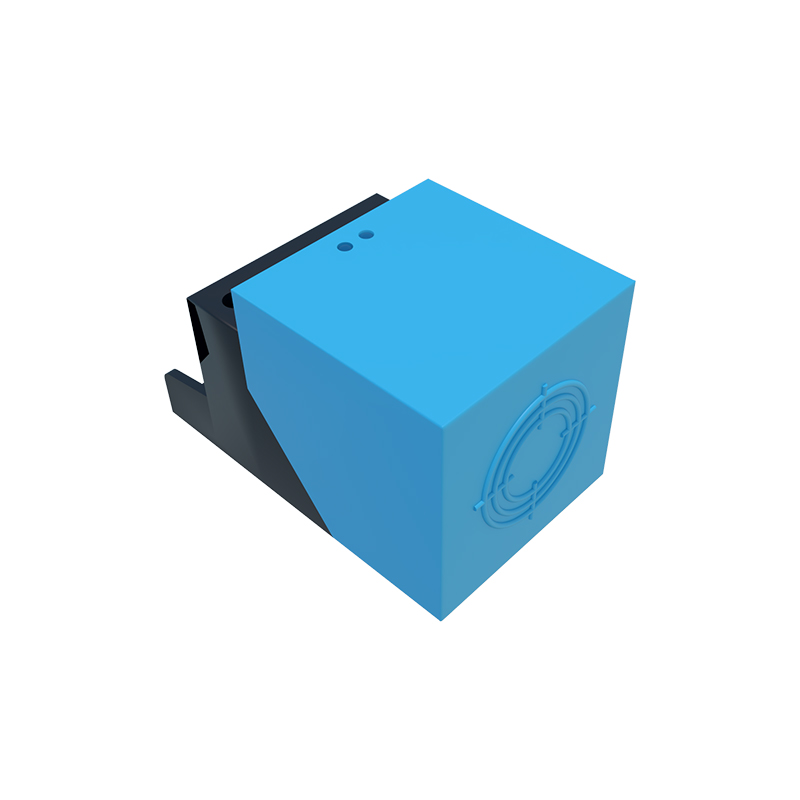
Common failure modes observed during long-term evaluations include O-ring compression set (permanent deformation leading to loss of sealing force), cable gland loosening due to vibration, and micro-cracks in plastic housings from UV exposure or chemical attack. Electrolytic corrosion can occur on DC sensors if moisture bridges the supply terminals, leading to premature failure.
For system integrators and maintenance engineers, selecting the appropriate sensor involves more than just the IP rating. Consider the specific fluid (water, oil, coolant), temperature cycles, mechanical stress (vibration, shock), and chemical exposure. Regular preventive maintenance, including visual inspection of seals and housings, checking gland tightness, and verifying electrical performance, is essential to sustain the designed waterproof integrity over the sensor's operational lifespan.
In conclusion, the waterproof performance of a proximity sensor is a system property resulting from material science, precision engineering, and rigorous validation. While IP ratings provide a standardized starting point for selection, understanding the underlying design features and the actual environmental stressors is critical for ensuring fail-safe operation. Investing in sensors with proven, appropriately high ingress protection ultimately minimizes downtime, reduces maintenance costs, and enhances the overall resilience of automated industrial systems.