Proximity sensor modules are integral components in modern industrial automation, offering non-contact detection capabilities that enhance efficiency, safety, and precision. This encyclopedia provides a comprehensive overview of common and advanced proximity sensor module patterns, detailing their designs, operational principles, and typical applications. Understanding these patterns is crucial for engineers and technicians to select the optimal sensor for specific tasks, ensuring robust performance in diverse environments.
Inductive proximity sensors are widely used for detecting metallic objects. They generate an electromagnetic field and sense changes caused by conductive materials. Common patterns include cylindrical, rectangular, and ring-shaped housings. Cylindrical models, such as the M8 and M12 threaded types, are prevalent in machinery for position sensing. Rectangular designs offer compact installation in tight spaces, while ring sensors allow object detection through their center, ideal for counting or sorting applications. These sensors excel in harsh conditions with resistance to dust, moisture, and vibrations, making them suitable for automotive assembly lines and metalworking.
Capacitive proximity sensors detect both metallic and non-metallic materials, including liquids, plastics, and wood. They operate by measuring capacitance changes in an electrostatic field. Patterns often feature flat or cylindrical faces with adjustable sensitivity. Flat-faced variants are effective for level detection in containers, while cylindrical types are used in packaging industries to sense materials through thin barriers. Advanced models incorporate temperature compensation and shielding to minimize false triggers. Applications range from food processing, where they monitor liquid levels, to woodworking for detecting composite materials.
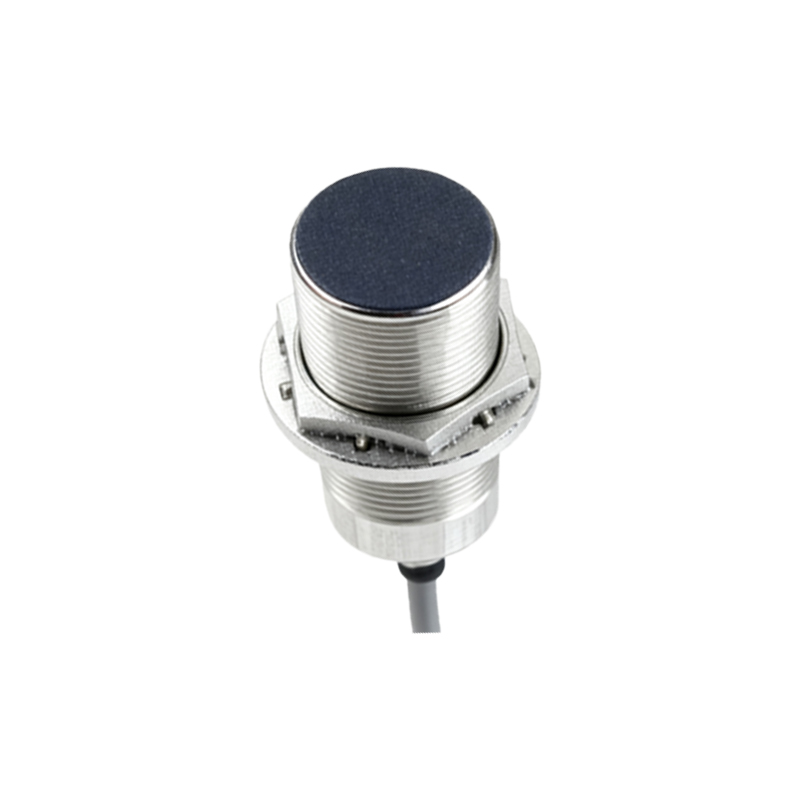
Ultrasonic proximity sensors utilize sound waves to measure distance or detect objects. They consist of a transmitter and receiver, often in a single housing. Patterns include compact sensors for short-range detection and larger units for long-distance measurements. Key designs involve through-beam, retro-reflective, and diffuse modes. Through-beam sensors have separate components for emission and reception, offering high accuracy for conveyor belt systems. Retro-reflective types use a reflector to bounce signals back, suitable for transparent object detection. Diffuse sensors rely on object reflection, ideal for irregular surfaces in robotics and material handling.
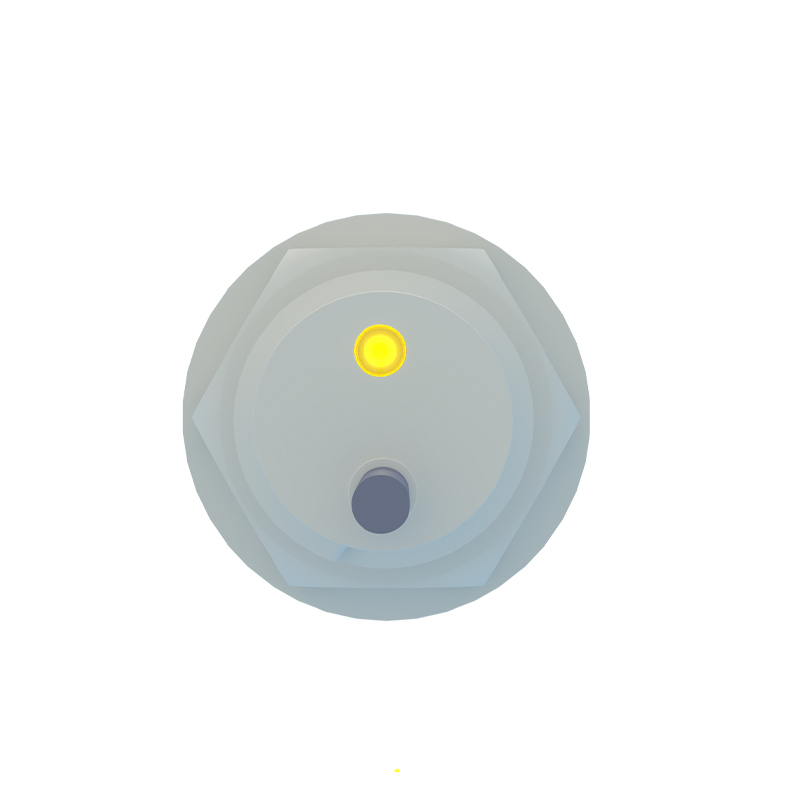
Magnetic proximity sensors, or reed switches, detect magnetic fields, commonly from permanent magnets. They are available in tubular and flat configurations. Tubular sensors are embedded in cylinders for linear motion detection, while flat patterns are used in door and window security systems. These sensors are highly reliable in low-power applications, such as position sensing in elevators or safety interlocks. Their sealed designs ensure operation in explosive or wet environments, like mining or marine industries.
Photoelectric proximity sensors use light beams for detection, with patterns including opposed, retro-reflective, and diffuse types. Opposed sensors have separate emitter and receiver units, providing long-range detection for warehouse automation. Retro-reflective models incorporate a reflector, useful in clean environments like electronics manufacturing. Diffuse sensors combine emitter and receiver in one housing, detecting objects by light reflection, often applied in bottling plants for label detection. Recent advancements include fiber-optic patterns for extreme temperatures or small spaces.
Specialized patterns address niche requirements. For instance, analog output sensors provide continuous distance measurements, used in precision alignment systems. High-temperature sensors withstand up to 200°C, essential in foundries or glass production. Miniature sensors, with diameters as small as 3mm, fit into medical devices or micro-assembly robots. Additionally, IO-Link enabled modules offer digital communication for Industry 4.0 integration, allowing real-time diagnostics and parameter adjustments.
When selecting a proximity sensor module, consider factors like sensing range, material composition, environmental conditions, and output type (e.g., PNP, NPN, analog). Regular maintenance, such as cleaning lenses or checking alignment, prolongs sensor life. Innovations in pattern design focus on miniaturization, energy efficiency, and smart connectivity, driving future trends in industrial automation. By mastering these patterns, professionals can optimize system performance, reduce downtime, and adapt to evolving technological demands.