In the realm of industrial automation, precision and safety are paramount. Small window proximity sensors have emerged as critical components in modern manufacturing and machinery systems, offering reliable detection capabilities in compact spaces. These sensors are designed to detect the presence or absence of objects within a limited field of view, making them ideal for applications where space constraints or specific detection angles are a concern. Unlike standard proximity sensors that may have broader sensing ranges, small window variants provide focused detection, reducing the risk of false triggers from surrounding environmental factors.
The operational principle of small window proximity sensors typically involves infrared (IR) or ultrasonic technology. IR-based sensors emit light beams and measure the reflection to determine object proximity, while ultrasonic sensors use sound waves for detection. The "small window" refers to the narrow sensing angle, often as tight as 10 to 30 degrees, which allows for precise targeting. This feature is particularly beneficial in automated assembly lines, robotic arms, and safety systems where human operators interact with machinery. For instance, in collaborative robot (cobot) environments, these sensors can detect a worker's hand approaching a hazardous zone, triggering an immediate shutdown or slowdown to prevent accidents.
Key advantages of small window proximity sensors include their high accuracy, durability, and adaptability to harsh industrial conditions. Many models are built with robust housings resistant to dust, moisture, and temperature fluctuations, ensuring longevity in demanding settings such as automotive plants or packaging facilities. Additionally, their compact size enables integration into tight spaces without compromising performance. Engineers often leverage these sensors for object counting, position verification, and edge detection in conveyor systems, where even minor errors can lead to production delays or quality issues.
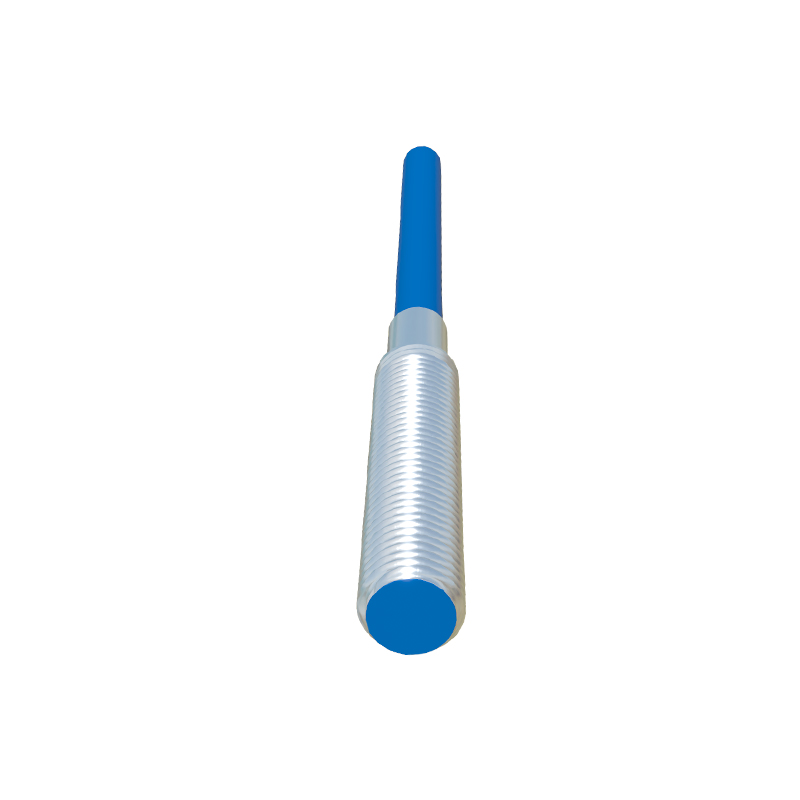
When selecting a small window proximity sensor, factors like sensing distance, response time, and output type (e.g., digital or analog) must be considered. Sensing distances can range from a few millimeters to several meters, depending on the model and technology. Fast response times, often in milliseconds, are crucial for real-time applications, while output compatibility with PLCs (Programmable Logic Controllers) ensures seamless system integration. It's also important to evaluate environmental influences; for example, IR sensors may be affected by ambient light, whereas ultrasonic sensors can struggle with soft or absorbent materials.
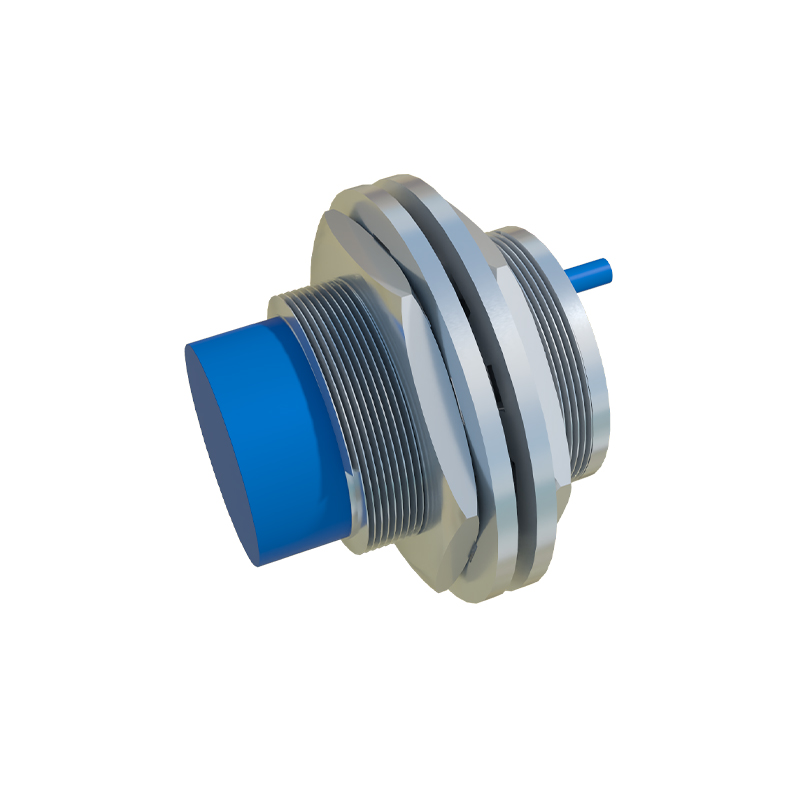
In practice, installation and calibration are straightforward but require attention to detail. Proper alignment of the sensor window is essential to avoid blind spots or excessive sensitivity. Regular maintenance, such as cleaning the lens or checking for obstructions, helps sustain optimal performance. As Industry 4.0 advances, these sensors are increasingly equipped with smart features like IoT connectivity, enabling predictive maintenance and data analytics for improved efficiency.
Overall, small window proximity sensors represent a sophisticated solution for enhancing both safety and productivity in industrial automation. By providing targeted detection, they minimize downtime, reduce waste, and protect personnel, aligning with global trends toward smarter, safer factories. As technology evolves, we can expect further innovations in sensor miniaturization and intelligence, driving even greater applications across sectors like logistics, healthcare, and beyond. For engineers and system designers, understanding these sensors' capabilities is key to optimizing automated processes and fostering a culture of innovation in the electrical and automation industries.