Linear proximity sensors are fundamental components in modern industrial automation, enabling non-contact detection and measurement of metallic objects with high precision. These devices operate based on electromagnetic principles, primarily utilizing inductive technology to sense the presence or absence of a target without physical contact. The core of a linear proximity sensor consists of an oscillator circuit that generates a high-frequency electromagnetic field from a coil wound around a ferrite core. When a conductive metal object enters this field, eddy currents are induced on the surface of the target, causing a change in the oscillation amplitude or frequency. This alteration is detected by the sensor's circuitry, which then triggers an output signal—typically a switch or an analog voltage/current proportional to the distance.
The working principle hinges on the interaction between the sensor's electromagnetic field and the target material. For inductive linear proximity sensors, the effective sensing range depends on factors such as the target's size, material composition (e.g., steel, aluminum, or copper), and the sensor's design. Ferrous metals like iron or steel generally yield longer detection distances due to their higher magnetic permeability, while non-ferrous metals require sensors with specialized calibration. Unlike simple proximity switches that provide binary on/off signals, linear variants offer continuous analog outputs (e.g., 0-10V or 4-20mA), allowing for precise distance measurement within a defined range, often from a few millimeters up to several centimeters. This capability makes them ideal for applications like position monitoring, thickness gauging, and vibration analysis in machinery.
Key components include the oscillator, demodulator, and output stage, all housed in a rugged enclosure resistant to environmental factors like dust, moisture, and temperature fluctuations. Advanced models incorporate temperature compensation circuits to maintain accuracy across varying operating conditions. In practice, linear proximity sensors are deployed in diverse industrial settings, from assembly lines and robotic arms to hydraulic systems and quality control stations. For instance, in automotive manufacturing, they ensure precise alignment of components, while in packaging machinery, they monitor fill levels by detecting the position of metallic parts. Their non-contact nature eliminates wear and tear, enhancing reliability and reducing maintenance needs compared to mechanical limit switches.
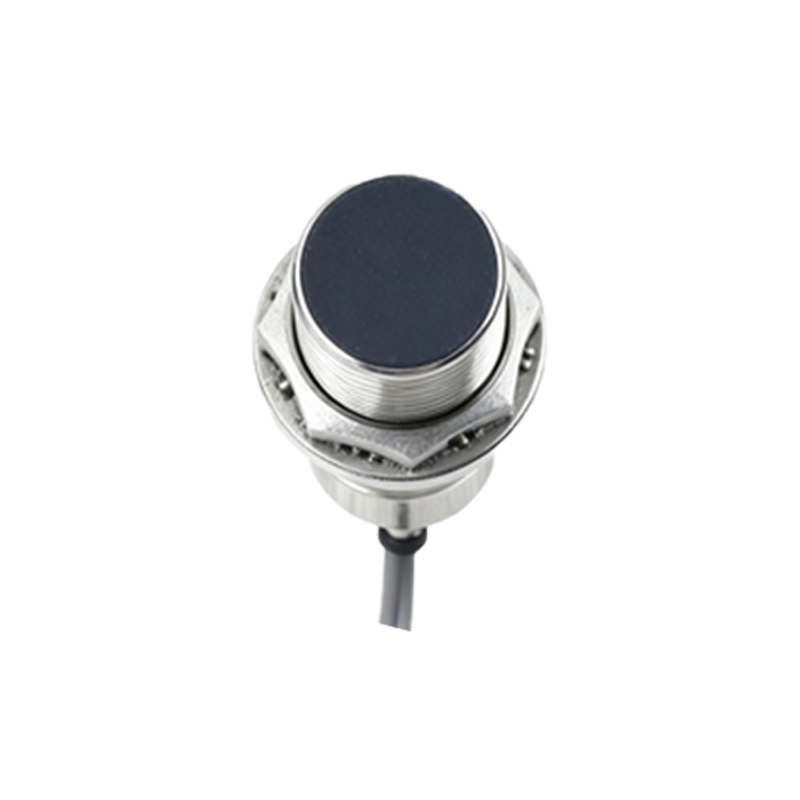
When selecting a linear proximity sensor, engineers must consider parameters such as sensing distance, repeatability, response time, and environmental ratings. Shielding (or non-shielding) designs also play a role: shielded sensors can be flush-mounted in metal without interference, whereas unshielded types offer extended ranges but require careful installation. As Industry 4.0 advances, these sensors are increasingly integrated with IoT platforms, providing real-time data for predictive maintenance and process optimization. In summary, linear proximity sensors exemplify the synergy of electromagnetic theory and practical engineering, driving efficiency and precision in automated systems worldwide.