In the realm of industrial automation, proximity sensors play a pivotal role in detecting the presence or absence of objects without physical contact. Among the various designs available, the arc-shaped proximity sensor has emerged as a significant innovation, offering unique advantages in specific applications. This article delves into the technical aspects, benefits, and practical uses of arc-shaped proximity sensors, providing insights for engineers and industry professionals seeking to optimize their sensing solutions.
The arc-shaped design of proximity sensors is characterized by a curved housing that allows for enhanced flexibility in installation and detection. Unlike traditional rectangular or cylindrical sensors, the arc shape conforms better to curved surfaces, such as those found in conveyor systems, robotic arms, or rotating machinery. This design minimizes gaps and misalignments, ensuring more accurate and reliable sensing in dynamic environments. Typically, these sensors utilize inductive, capacitive, or photoelectric technologies, depending on the target material and environmental conditions. For instance, inductive arc-shaped sensors are ideal for detecting metallic objects, while capacitive variants can sense non-metallic materials like plastics or liquids.
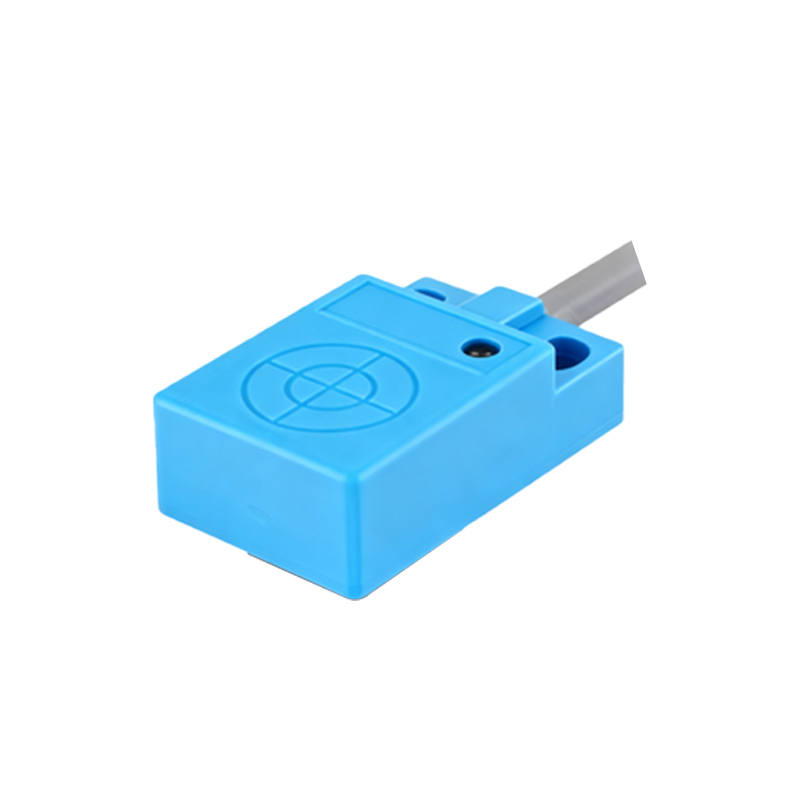
One of the key advantages of arc-shaped proximity sensors is their ability to fit into tight or irregular spaces where standard sensors might fail. The curved profile reduces the risk of physical damage from impacts or vibrations, extending the sensor's lifespan in harsh industrial settings. Additionally, the arc design often incorporates features like IP67 or higher ingress protection ratings, making them resistant to dust, moisture, and chemicals. This durability is crucial in industries such as automotive manufacturing, food processing, and packaging, where equipment must withstand rigorous operational demands.
From a performance perspective, arc-shaped sensors offer improved sensing ranges and response times due to their optimized geometry. The curvature allows for a wider detection area, enabling the sensor to cover more surface without requiring multiple units. This can lead to cost savings and simplified system integration. Engineers can leverage these sensors for applications like position monitoring, object counting, or safety interlocks, where precision and speed are paramount. For example, in assembly lines, an arc-shaped sensor might detect the passage of curved components on a conveyor belt, triggering subsequent actions with minimal delay.
In practice, selecting the right arc-shaped proximity sensor involves considering factors such as the sensing distance, output type (e.g., PNP or NPN), and environmental tolerances. It's essential to consult manufacturer specifications and conduct on-site testing to ensure compatibility with the application. Maintenance is generally straightforward, with many models featuring LED indicators for status monitoring and easy calibration. As industries move towards smarter factories and IoT integration, arc-shaped sensors are increasingly being equipped with connectivity options for real-time data analytics, enhancing overall operational efficiency.
Overall, the arc-shaped proximity sensor represents a thoughtful evolution in sensor technology, addressing niche challenges in industrial automation. By combining robust construction with versatile functionality, it empowers engineers to design more efficient and resilient systems. As innovation continues, we can expect further refinements in materials and electronics, driving even broader adoption across sectors. For now, understanding the capabilities of these sensors is a step toward harnessing their full potential in modern engineering projects.