In the demanding world of industrial automation, the reliability of sensing components is paramount. Among these, oil-resistant proximity sensors stand out as critical devices engineered to perform consistently in environments contaminated with oils, coolants, and other aggressive fluids. These sensors are designed to detect the presence or absence of metallic or non-metallic objects without physical contact, making them indispensable in machinery, automotive manufacturing, food processing, and heavy equipment sectors where oil exposure is inevitable.
The core technology behind these sensors varies, with inductive, capacitive, and magnetic types being the most common. Inductive proximity sensors, for instance, generate an electromagnetic field to detect metallic targets. Their oil-resistant variants are encapsulated in housings made from specialized materials such as stainless steel (often grades 316 or 304) and sealed with advanced polymers like PTFE (Polytetrafluoroethylene) or high-grade nitrile rubber. These materials provide an exceptional barrier against oil ingress, ensuring the internal electronics remain protected. The sealing standard is typically rated at IP67, IP68, or IP69K, indicating high levels of protection against dust and prolonged immersion in liquids under pressure.
The operational principle remains unaffected by the protective measures. When a target object enters the sensor's detection range, it causes a change in the oscillation amplitude or capacitance, triggering a solid-state output signal. This signal interfaces seamlessly with Programmable Logic Controllers (PLCs) to control machinery operations. The key advantage in oily conditions is the sensor's ability to maintain a stable sensing distance and switching frequency without false triggers caused by oil film buildup on the sensing face. This stability is crucial for applications like CNC machining centers, where cutting oil is abundant, or in hydraulic systems where leakages are common.
Selecting the right oil-resistant proximity sensor requires careful consideration of several parameters. The sensing distance, influenced by the target material and size, must be chosen with a safety margin to account for potential oil coatings. Temperature range is another vital factor; sensors must operate reliably in both the high temperatures generated by machinery and the possible low temperatures in storage environments. Chemical compatibility is equally important—the sensor's housing and seal material must resist not only standard lubricating oils but also synthetic coolants, solvents, and cleaning agents used in industrial washdowns.
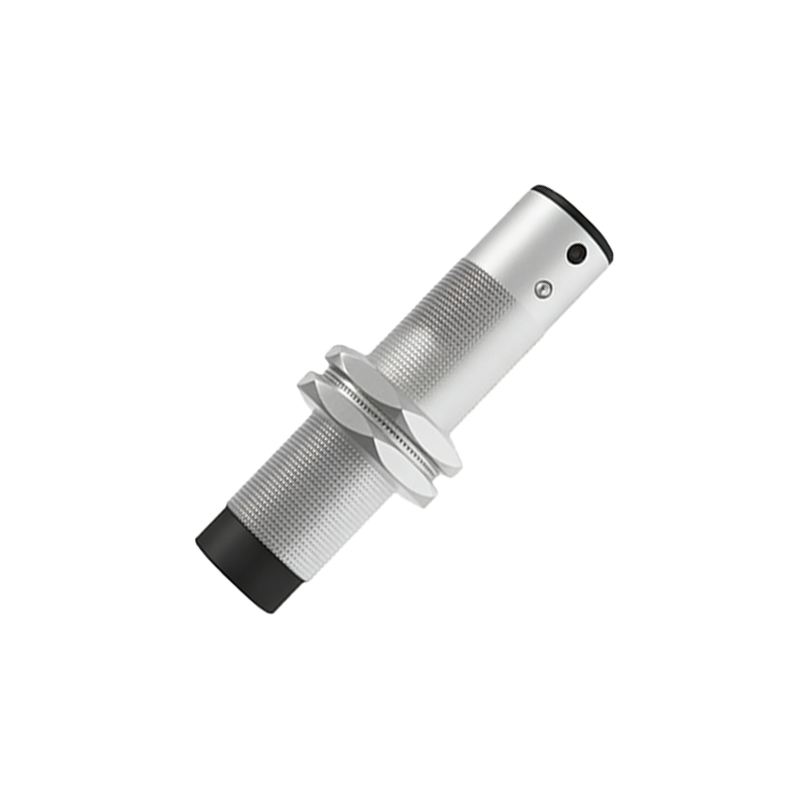
Installation and maintenance practices significantly impact longevity. Proper mounting, avoiding mechanical stress on the housing, and ensuring that cables are connected with oil-resistant cable glands are essential steps. Regular cleaning of the sensing face with compatible solvents can prevent residual oil sludge from attenuating the sensing field. However, thanks to their robust design, these sensors generally require minimal maintenance, contributing to lower total cost of ownership and reduced machine downtime.
Innovations continue to enhance their performance. Modern designs incorporate features like IO-Link communication for digital parameter setting and diagnostics, allowing for predictive maintenance. Some advanced models offer increased resistance to electrically conductive contaminants like coolant mixtures, broadening their application scope. As industries push towards smarter, more connected factories (Industry 4.0), the role of reliable, oil-resistant sensing becomes even more central to operational efficiency and safety.

In conclusion, oil-resistant proximity sensors are not merely optional accessories but fundamental components that ensure continuity and precision in fluid-exposed industrial processes. Their engineered resilience directly translates into enhanced productivity, reduced waste from faulty readings, and improved safety for both equipment and personnel. Specifying the correct sensor for the specific fluid and environmental challenge is a critical engineering decision that underpins the reliability of modern automated systems.