In the realm of industrial automation and control systems, proximity sensors stand as a cornerstone technology, enabling machines to perceive their environment without physical contact. Often referred to simply as sensors, these devices are fundamental components in countless applications, from manufacturing assembly lines to consumer electronics. Their primary function is to detect the presence or absence of an object within a specified range, triggering an electrical signal that can be used for control, counting, positioning, or safety purposes.
The core principle behind a proximity sensor is the generation of an electromagnetic field or beam. When a target object enters this field, it causes a change in the field's state. This disturbance is detected by the sensor's internal circuitry, which then switches its output signal. This non-contact method of detection offers significant advantages over mechanical limit switches, including longer operational life, higher reliability, and the ability to sense objects that are fragile, hot, or moving at high speeds.
There are several primary types of proximity sensors, each utilizing different physical principles to achieve detection. Inductive proximity sensors are among the most common. They generate an oscillating electromagnetic field and are specifically designed to detect metallic objects, typically ferrous metals like steel and iron. When a metal target enters the sensing field, it induces eddy currents on the metal's surface, which dampens the oscillation. The sensor detects this damping and changes its output state. These sensors are robust, resistant to environmental contaminants like dust and oil, and are ideal for harsh industrial settings such as metal stamping, machining, and automotive production.
Capacitive proximity sensors, on the other hand, can detect both metallic and non-metallic materials, including liquids, plastics, glass, and wood. They operate by generating an electrostatic field. Any object with a dielectric constant different from air will alter the capacitance of the sensing circuit as it approaches. This change in capacitance is measured, prompting the output to switch. This versatility makes capacitive sensors perfect for applications like liquid level detection, material handling of non-metals, and presence detection of packaged goods.
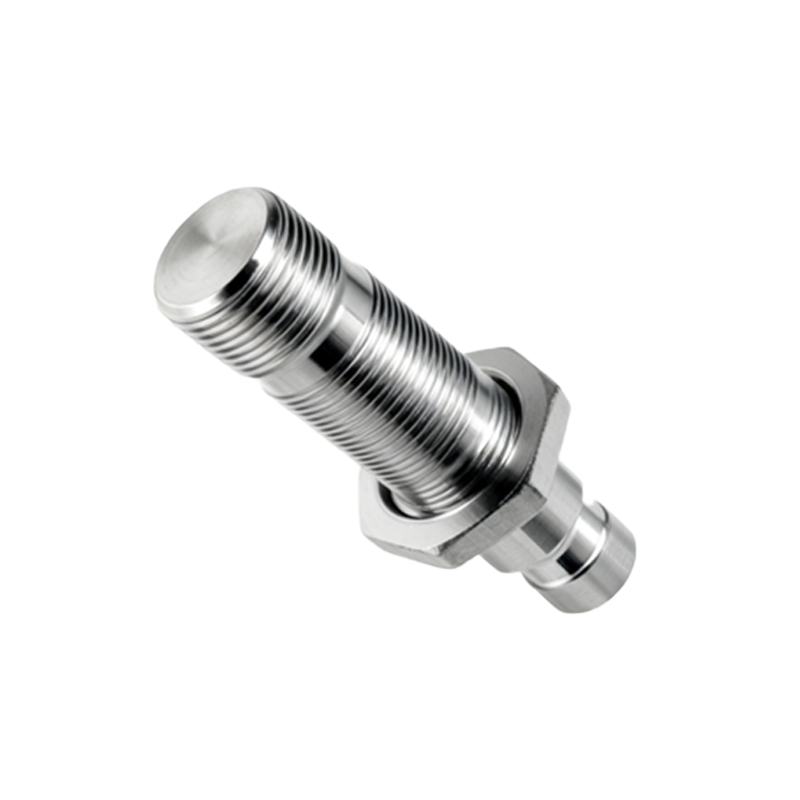
Ultrasonic proximity sensors use sound waves beyond the range of human hearing. They emit high-frequency acoustic pulses and measure the time it takes for the echo to return from a target object. By calculating this time-of-flight, the sensor can determine not only presence but also distance. This technology is excellent for detecting objects of virtually any material, shape, or color, and is commonly used in challenging environments with dust, smoke, or varying light conditions. Applications include palletizing, collision avoidance on AGVs (Automated Guided Vehicles), and level measurement in silos.
Photoelectric sensors, while sometimes categorized separately, function as a key type of proximity sensor. They consist of a light emitter (usually LED) and a receiver. They detect objects by interpreting changes in the received light signal. There are three main configurations: through-beam (where the object breaks a beam between separate emitter and receiver units), retro-reflective (using a reflector), and diffuse (or proximity) mode, where the sensor detects light reflected directly off the target itself. Photoelectric sensors offer very long sensing ranges and are highly effective for detecting small objects or objects with complex shapes.
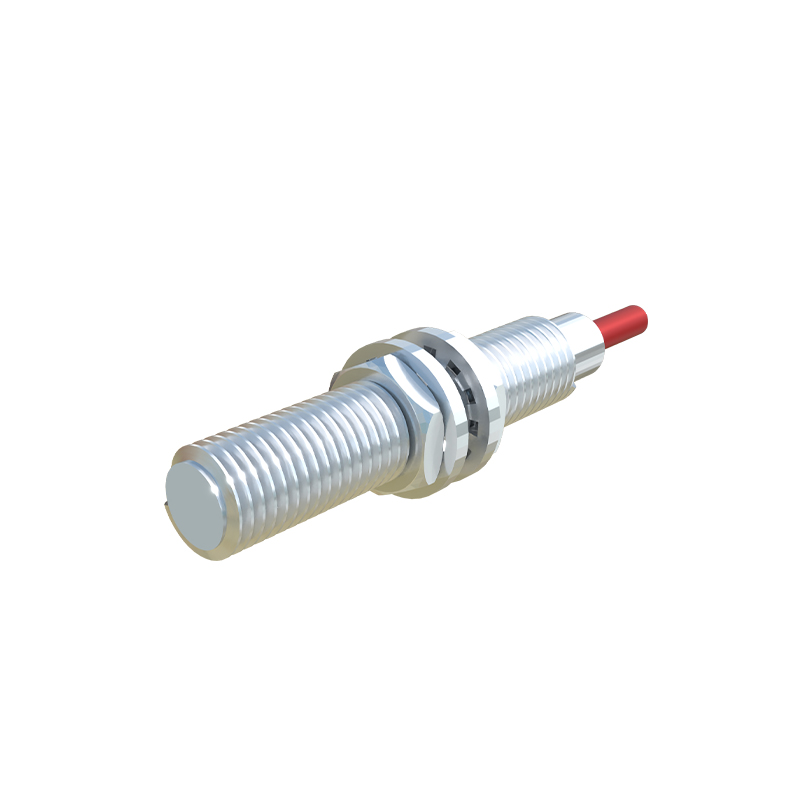
Selecting the right proximity sensor requires careful consideration of several application parameters. The sensing range, or the maximum distance at which the sensor can reliably detect a standard target, is a primary specification. The target material and size directly influence this range. Environmental factors are equally critical; sensors are rated with Ingress Protection (IP) codes to indicate their resistance to dust and water. For inductive sensors, the mounting style (flush or non-flush) affects the sensing field and potential interference from surrounding metal. Output type is another key decision, with options typically including NPN (sinking), PNP (sourcing), or analog outputs for distance-proportional signals.
Installation and wiring must follow manufacturer guidelines to ensure optimal performance and avoid issues like electrical noise interference or reduced sensing distance due to adjacent metal. Regular maintenance, though minimal, involves keeping the sensing face clean and periodically checking the sensor's operation to prevent unexpected downtime in automated processes.
In conclusion, proximity sensors are indispensable in modern industrial and technological landscapes. Their ability to provide reliable, non-contact detection translates into enhanced efficiency, safety, and precision across a vast spectrum of industries. From ensuring a robotic gripper has picked up a component to verifying a bottle cap is properly sealed on a packaging line, these silent sentinels play a vital role in the seamless operation of automated systems. Understanding their types, principles, and application criteria is essential for any engineer or technician working in the field of automation and control.