Proximity sensors are indispensable components in modern industrial automation, serving as the non-contact eyes of machinery. These devices detect the presence or absence of an object within a specific sensing range without any physical contact. Their primary function is to provide a reliable electrical signal to a control system, such as a PLC (Programmable Logic Controller), enabling precise control over automated processes. The core principle involves generating an electromagnetic field or beam and monitoring changes caused by a target object's intrusion into this field. This non-contact nature eliminates mechanical wear and tear, ensures high operational speed, and allows for use in harsh environments where dirt, oil, or moisture would compromise mechanical switches.
The classification of proximity sensors is primarily based on their underlying detection technology. The most prevalent types include Inductive, Capacitive, Ultrasonic, and Photoelectric sensors. Each type possesses distinct operating principles, ideal target materials, and typical application scenarios.
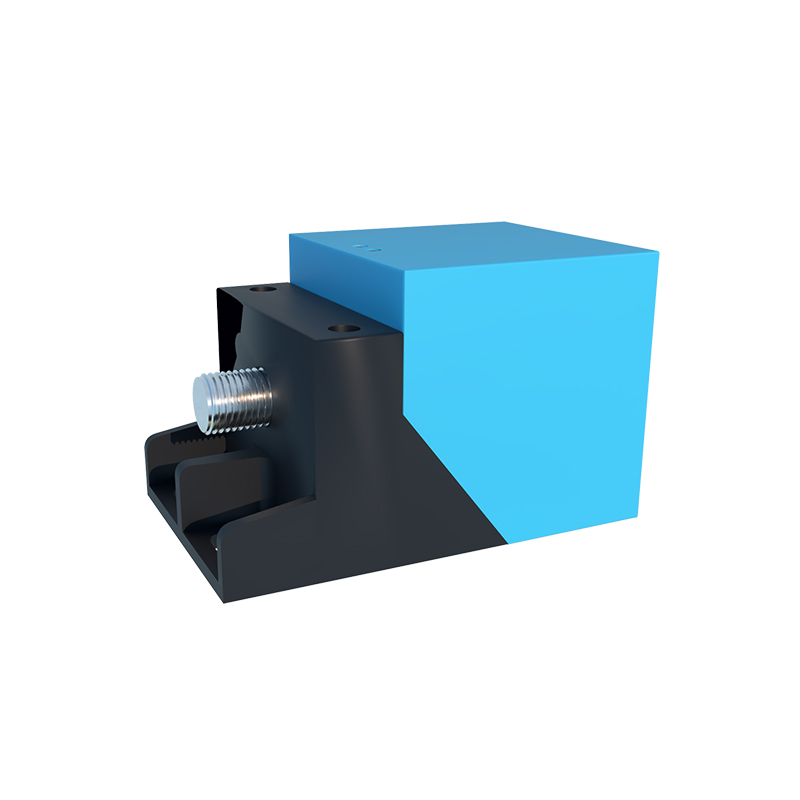
Inductive proximity sensors are the workhorses of metal detection. They generate an oscillating electromagnetic field from a coil in their sensing face. When a metallic object enters this field, it induces eddy currents within the metal, which dampens the oscillation. The sensor's internal circuit detects this energy loss and triggers a switching output. These sensors are exceptionally robust, immune to environmental contaminants, and ideal for detecting ferrous and non-ferrous metals. Common applications include part presence verification on assembly lines, end-of-travel detection for cylinders, and metal object counting.
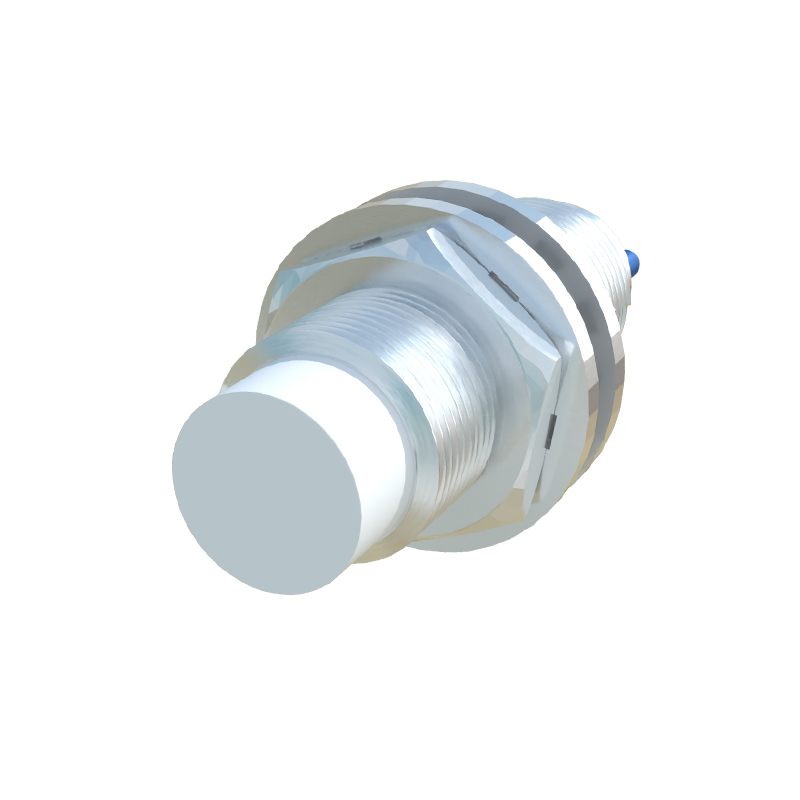
Capacitive proximity sensors, in contrast, can detect both metallic and non-metallic materials, including liquids, plastics, glass, and wood. They function by generating an electrostatic field. Any object that enters this field alters the sensor's capacitance relative to ground. Once this change reaches a predetermined threshold, the sensor activates its output. This versatility makes them perfect for applications like liquid level detection in tanks, monitoring fill levels of granular materials in hoppers, or detecting non-metallic caps on bottles. They are sensitive to environmental factors like humidity and require careful calibration.
Ultrasonic sensors operate on a sonar-like principle. They emit high-frequency sound waves (typically beyond human hearing) and measure the time it takes for the echo to return after bouncing off a target object. By calculating this time-of-flight, they can determine both the presence and the distance to the object. This makes them excellent for precise distance measurement, level sensing of bulk solids or liquids, and detecting objects with complex or irregular surfaces, regardless of color or material composition. They are less affected by dust, smoke, or light interference but can be influenced by temperature variations and air turbulence.
Photoelectric sensors utilize light beams for detection. They consist of a light emitter (usually an LED) and a receiver. When a target object interrupts or reflects the light beam, the receiver detects the change in light intensity, prompting an output signal. They are categorized into three main modes: Through-beam (separate emitter and receiver), Retro-reflective (uses a reflector), and Diffuse (reflective). Photoelectric sensors offer very long sensing ranges and can detect extremely small objects. They are widely used for object counting on high-speed conveyors, registration mark detection in printing, and bottle cap alignment. Their performance can be affected by ambient light, color, and surface reflectivity of the target.
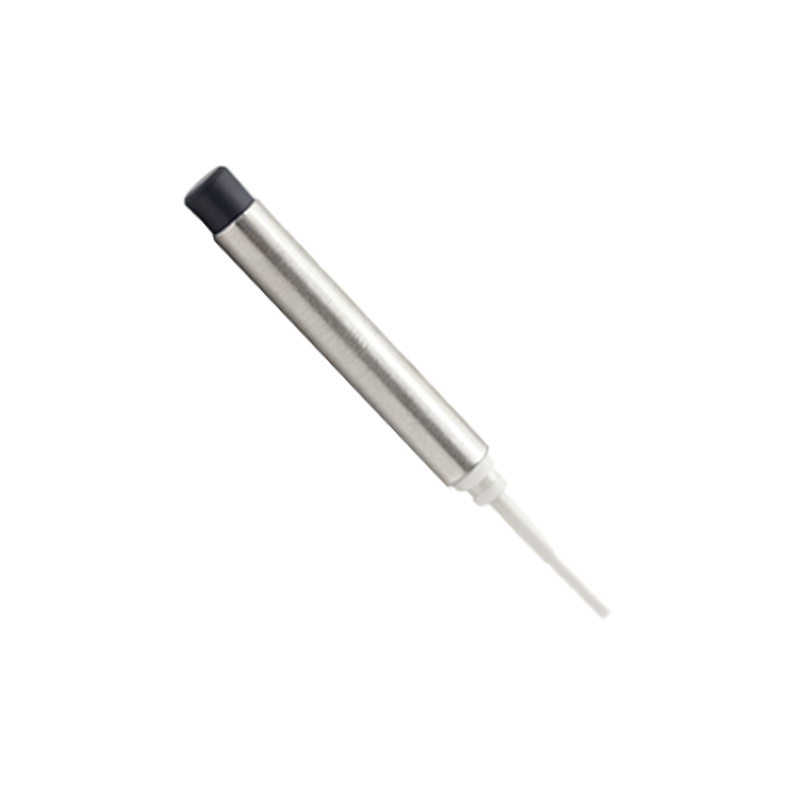
Selecting the right proximity sensor requires careful consideration of several key parameters: the target material (metal, plastic, liquid), the required sensing distance (nominal and effective), the operating environment (temperature, presence of chemicals or washdown needs), the output type (NPN/PNP, NO/NC), and the required response speed and switching frequency. Enclosure rating (e.g., IP67 for dust and water immersion) is also critical for durability.
In summary, proximity sensors are fundamental to achieving efficiency, safety, and precision in automated systems. From inductive sensors ensuring a robot gripper has picked up a metal part, to capacitive sensors preventing overflows in a chemical vat, to ultrasonic sensors guiding an AGV (Automated Guided Vehicle), their silent, reliable operation forms the backbone of intelligent manufacturing and process control. Understanding their types and characteristics is essential for any engineer designing, maintaining, or optimizing modern industrial equipment.