In the realm of industrial automation and smart building management, the integration of proximity sensors for lighting control represents a significant leap in efficiency, safety, and energy conservation. As an electrical engineer with extensive field experience, I will delve into the technical principles, system design considerations, and practical implementation strategies for these sophisticated systems.
At its core, a proximity sensor-controlled lighting system operates on a simple yet powerful premise: to provide illumination precisely when and where it is needed, eliminating wasteful energy consumption associated with manual switches or timed systems. Proximity sensors, which can be inductive, capacitive, ultrasonic, or photoelectric, detect the presence or absence of an object within a defined field without physical contact. For lighting applications, passive infrared (PIR) sensors are predominantly used for detecting human movement, while microwave or ultrasonic sensors offer coverage for larger or more complex areas.
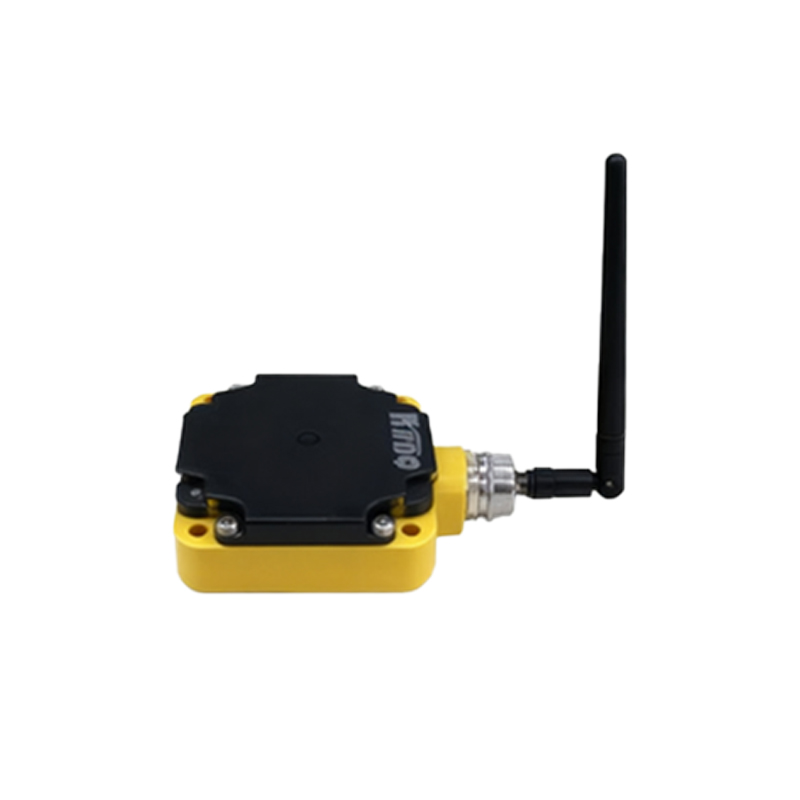
The design phase is critical. The first step involves a thorough site assessment. Engineers must evaluate the operational environment—whether it's a long warehouse corridor, a busy office restroom, a parking garage, or a sterile laboratory. Factors such as ambient light levels, typical traffic patterns, potential sources of interference (e.g., machinery, HVAC drafts), and required illumination levels per relevant standards (like IESNA or local building codes) must be meticulously documented. The choice of sensor technology hinges on this assessment. For instance, a PIR sensor is ideal for detecting people moving across its segmented detection zones but may be less effective in environments with significant heat sources. A microwave sensor, which detects Doppler shifts, is excellent for high-bay warehouses but requires careful tuning to avoid false triggers from moving machinery.
Wiring and control logic form the backbone of the system. Traditional setups often involve connecting the sensor's normally open (NO) or normally closed (NC) relay output directly to the control coil of a lighting contactor. A common configuration is a three-wire connection: line voltage (hot), neutral, and a switched load wire. However, modern implementations increasingly leverage digital networks. Sensors with BACnet MS/TP, LonWorks, or Ethernet/IP interfaces can be integrated into a Building Management System (BMS). This allows for centralized monitoring, scheduling, data logging of occupancy patterns, and fine-tuning of parameters like time delay and sensitivity remotely. The control logic itself is straightforward: upon detection, the sensor closes its internal relay, energizing the circuit to turn on the connected lighting load. A built-in timer keeps the lights on for a preset duration (e.g., 30 seconds to 30 minutes) after the last detected movement.
Implementation challenges are frequent and require practical problem-solving. A primary issue is false triggering or failure to trigger. This can stem from incorrect sensor placement (e.g., mounted too high, aimed at a reflective surface), improper sensitivity settings, or environmental interference. Mitigation involves iterative testing and adjustment. Another key consideration is fail-safe operation. The system should be designed with manual override switches to allow for maintenance or emergency lighting that bypasses the sensor. Furthermore, in applications like stairwells or exit paths, codes often mandate a "mandatory-on" period for safety, which must be programmed into the controller or BMS.
Energy savings and return on investment (ROI) are compelling drivers. By ensuring lights are off in unoccupied spaces, these systems can reduce lighting energy consumption by 30% to 50% in appropriate applications. The ROI calculation must include sensor cost, installation labor, and the reduced kilowatt-hour consumption over the system's lifespan. With rising energy costs, payback periods are often under two years.
Looking ahead, the convergence of proximity sensing with the Internet of Things (IoT) and advanced data analytics is paving the way for predictive lighting systems. Sensors will not only detect presence but also count occupants, track movement density, and even adjust light color temperature based on the time of day or activity, contributing to human-centric lighting design.
In conclusion, designing and implementing a proximity sensor-controlled lighting system is a multidisciplinary task that blends electrical engineering fundamentals with an understanding of human behavior and environmental factors. A successful project hinges on meticulous planning, correct product selection, careful installation, and thorough commissioning. When executed correctly, it delivers a robust solution that significantly enhances operational efficiency while contributing to sustainability goals—a hallmark of modern, intelligent electrical design.