Large diameter proximity sensors are essential components in modern industrial automation, offering reliable non-contact detection for a wide range of applications. These sensors, typically defined by sensing diameters of 30mm or more, are designed to detect metallic objects at greater distances compared to their standard counterparts. Their robust construction and enhanced sensing capabilities make them ideal for harsh environments where precision and durability are paramount.
The operational principle of large diameter proximity sensors is based on electromagnetic fields. When a metallic target enters the sensor's detection zone, it disrupts the oscillating electromagnetic field, triggering a change in the sensor's output state. This non-contact method eliminates mechanical wear, ensuring long-term reliability and reducing maintenance needs. Common types include inductive sensors for ferrous metals and capacitive variants for non-metallic materials, each tailored to specific industrial requirements.
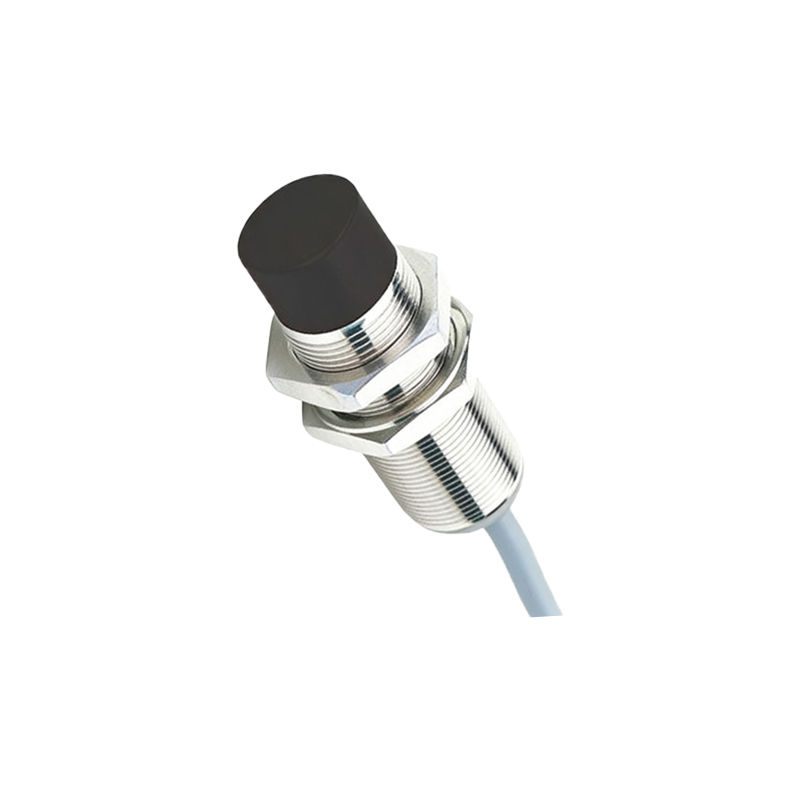
Key advantages of large diameter sensors include extended sensing ranges, often up to 80mm or more, allowing for flexible installation in complex machinery. They are widely used in heavy industries such as automotive manufacturing, steel production, and material handling systems. For instance, in conveyor belt systems, these sensors monitor the presence of large metal components, ensuring smooth operations and preventing jams. In robotic applications, they provide precise positioning feedback for automated arms handling bulky items.
When selecting a large diameter proximity sensor, engineers must consider several factors. Sensing range is critical, as it determines the maximum distance for reliable detection. Environmental conditions, such as temperature extremes, humidity, and exposure to chemicals, necessitate sensors with appropriate IP (Ingress Protection) ratings—typically IP67 or higher for industrial use. Output types (e.g., PNP, NPN, or analog) should match the control system's requirements, while housing materials like stainless steel or nickel-plated brass offer resistance to corrosion and physical impacts.
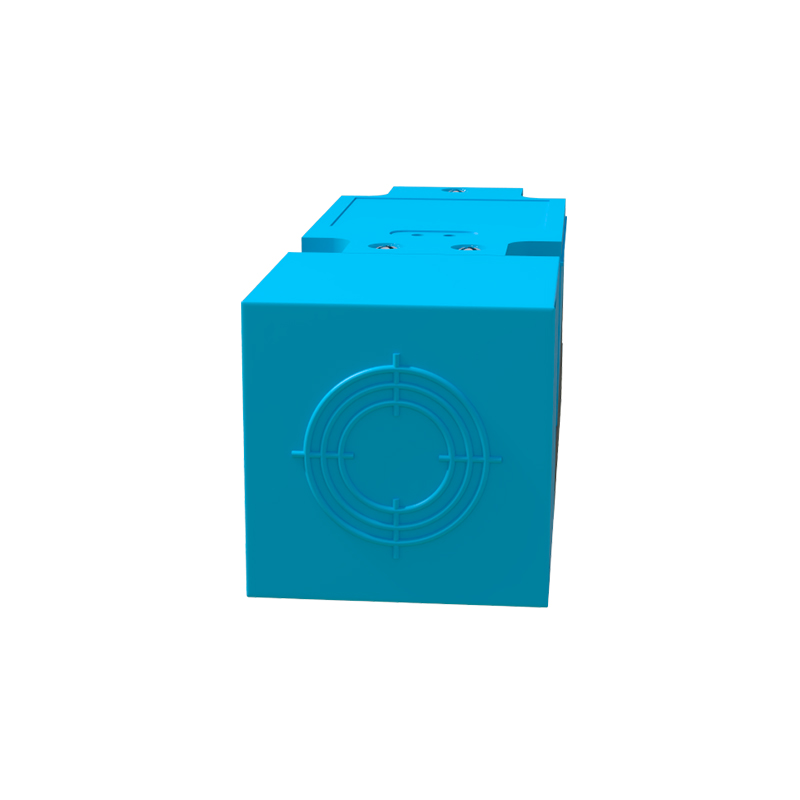
Installation and alignment are also vital for optimal performance. Sensors should be mounted securely to minimize vibration effects, and proper shielding may be required to avoid interference from adjacent metal structures. Regular calibration and testing ensure consistent accuracy, especially in high-speed production lines where sensor failure can lead to costly downtime.
Innovations in large diameter proximity sensors continue to evolve, with smart sensors integrating IoT capabilities for real-time monitoring and predictive maintenance. These advancements enhance efficiency by providing data on sensor health and operational trends, enabling proactive adjustments in automated systems. As industries embrace Industry 4.0, the demand for robust, high-performance sensors is expected to grow, driving further improvements in sensitivity and connectivity.
In summary, large diameter proximity sensors are indispensable tools in industrial automation, offering durability, extended range, and versatility. By understanding their applications and selection criteria, engineers can optimize system performance, reduce operational costs, and enhance safety in demanding environments. As technology progresses, these sensors will play an increasingly pivotal role in shaping the future of smart manufacturing and beyond.