In the realm of industrial automation and control systems, proximity sensors play a pivotal role in detecting the presence or absence of objects without physical contact. Among the diverse designs available, square image proximity sensors have emerged as a sophisticated solution, particularly valued for their high-definition imaging capabilities and robust performance in demanding environments. This article delves into the technical aspects, applications, and benefits of these sensors, emphasizing their significance in modern electrical engineering.
Square image proximity sensors are characterized by their compact, square-shaped housing, which facilitates easy integration into machinery and equipment. The high-definition imaging component typically involves advanced optical or ultrasonic technologies that capture detailed, square-format images of target objects. This design allows for precise detection and measurement, even in complex scenarios where traditional sensors might struggle. For instance, in assembly lines, these sensors can accurately identify components based on shape, size, or orientation, enabling automated sorting and quality control processes. The square image format is particularly advantageous as it provides a uniform field of view, reducing distortion and enhancing reliability in detection tasks.
From a technical perspective, high-definition square image proximity sensors often incorporate features such as adjustable sensitivity, fast response times, and resistance to environmental factors like dust, moisture, and electromagnetic interference. Many models support digital interfaces, such as IO-Link or Ethernet/IP, allowing for seamless communication with programmable logic controllers (PLCs) and industrial networks. This connectivity enables real-time data analysis and remote monitoring, which are essential for predictive maintenance and optimizing operational efficiency. Additionally, the sensors' ability to capture high-resolution images supports advanced functions like edge detection and pattern recognition, making them suitable for applications in robotics, packaging, and material handling.
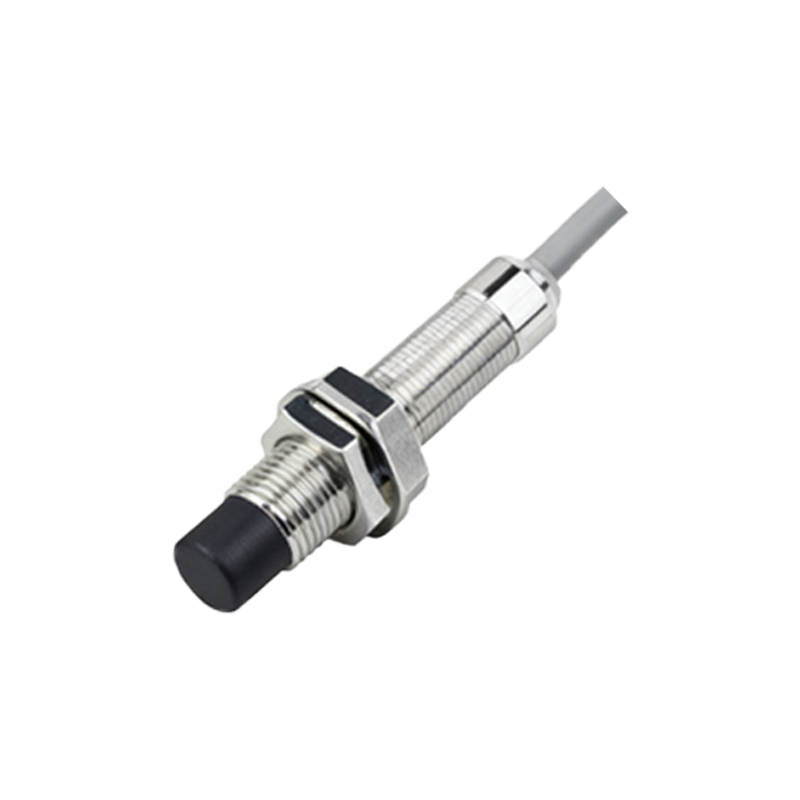
In practical applications, square image proximity sensors are widely used across various industries. In automotive manufacturing, they ensure precise positioning of parts during welding or assembly, reducing errors and improving safety. In the food and beverage sector, these sensors help monitor packaging integrity and detect contaminants, adhering to strict hygiene standards. The logistics industry benefits from their use in automated guided vehicles (AGVs) for obstacle detection and navigation. The high-definition imaging capability also makes them ideal for inspection systems, where they can identify defects or anomalies in products with high accuracy.
The benefits of using high-definition square image proximity sensors extend beyond mere detection. They contribute to increased productivity by minimizing downtime and enhancing process automation. Their durability and low maintenance requirements make them a cost-effective choice for long-term operations. Moreover, as industries move towards Industry 4.0 and smart factories, these sensors play a crucial role in enabling data-driven decision-making and interconnected systems. Engineers and technicians should consider factors like sensing range, environmental conditions, and compatibility with existing infrastructure when selecting these sensors for specific projects.
In conclusion, high-definition square image proximity sensors represent a significant advancement in sensor technology, offering unparalleled precision and versatility in industrial settings. Their ability to deliver clear, square-format images supports a wide range of automation tasks, driving efficiency and innovation. As electrical engineering continues to evolve, these sensors will likely become even more integral to optimizing industrial processes and achieving higher levels of automation. For professionals in the field, staying informed about the latest developments in sensor technology is key to leveraging their full potential.