In the realm of industrial automation, proximity sensors have become indispensable components, often serving as highly reliable non-contact switches. These devices detect the presence or absence of an object within a specified range without any physical contact, making them ideal for harsh environments where mechanical wear, contamination, or high-speed operations are concerns. Unlike traditional mechanical limit switches, proximity sensors offer silent operation, long service life, and exceptional repeatability.
The core principle behind a proximity sensor functioning as a switch involves the generation of an electromagnetic field or a beam of radiation. When a target object enters this field, it causes a change in the sensor's internal oscillation, capacitance, or light reception. This change is then converted into a discrete electrical signal—typically a solid-state ON/OFF output—that can be directly interfaced with programmable logic controllers (PLCs), motor starters, or other control systems. The switching action is clean, bounce-free, and extremely fast, enabling precise control over machinery sequences, positioning, counting, and safety interlocks.
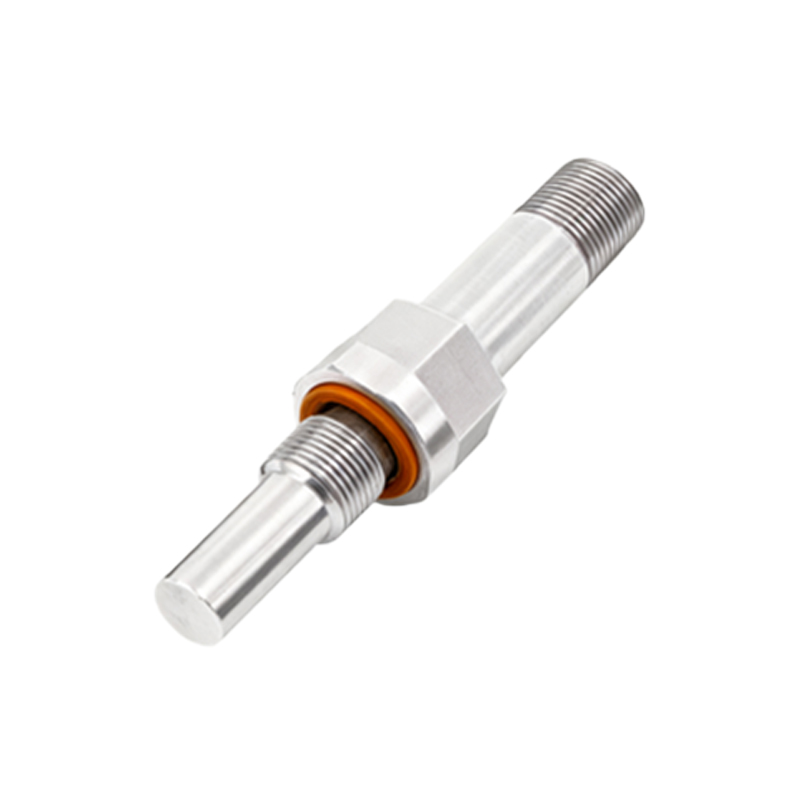
Several technologies dominate this application. Inductive proximity sensors are the most common, detecting metallic objects through electromagnetic induction. They are robust, cost-effective, and perfect for detecting metals in machine tools, conveyors, and robotic arms. Capacitive proximity sensors, on the other hand, can detect both metallic and non-metallic materials (like plastics, wood, or liquids) by sensing changes in capacitance. This makes them suitable for level detection, material handling, and packaging. Ultrasonic sensors use sound waves to detect objects over longer distances and are effective for transparent or irregularly shaped targets. Photoelectric sensors, utilizing infrared or laser light, offer the longest sensing ranges and are excellent for small object detection or through-beam applications.
Selecting the right proximity sensor as a switch requires careful consideration of several parameters. The sensing range, or the distance at which the sensor reliably detects the standard target, is critical. Environmental factors such as temperature extremes, humidity, washdown conditions (IP ratings), and exposure to chemicals or welding spatter must be evaluated. The output configuration—whether NPN (sinking) or PNP (sourcing)—must match the control system's input requirements. Additionally, factors like response time, switching frequency, and housing material (e.g., nickel-plated brass, stainless steel, or PBT plastic) play a vital role in ensuring reliable performance.
Installation and wiring are straightforward but demand attention to detail. Proper mounting, alignment, and adequate clearance from metal surfaces (to prevent shielding effects) are essential for optimal operation. Electrical noise in industrial settings can sometimes cause interference, so using shielded cables and following manufacturer guidelines for wiring is crucial. Many modern sensors feature LED status indicators for easy diagnostics, helping maintenance personnel quickly identify issues like misalignment, power loss, or output failures.
The advantages of using proximity sensors as switches are manifold. They eliminate mechanical stress and contact bounce, leading to significantly higher reliability and reduced downtime for maintenance. Their non-contact nature allows for operation in dirty, oily, or explosive atmospheres (with intrinsically safe versions). Furthermore, their fast response enables higher machine speeds and throughput, directly impacting productivity. From simple object detection on an assembly line to complex position verification in automated storage and retrieval systems, these sensors form the silent, reliable backbone of modern industrial control.
As Industry 4.0 and smart manufacturing evolve, proximity sensors are becoming even more intelligent. Sensors with IO-Link communication can provide not just a switch signal but also diagnostic data like operating hours, temperature readings, and signal strength to predictive maintenance systems. This integration enhances overall equipment effectiveness (OEE) by enabling condition-based monitoring and reducing unplanned stoppages. In conclusion, the application of proximity sensors as switches represents a fundamental, efficient, and evolving solution for industrial automation, offering durability, precision, and intelligence that mechanical switches simply cannot match.