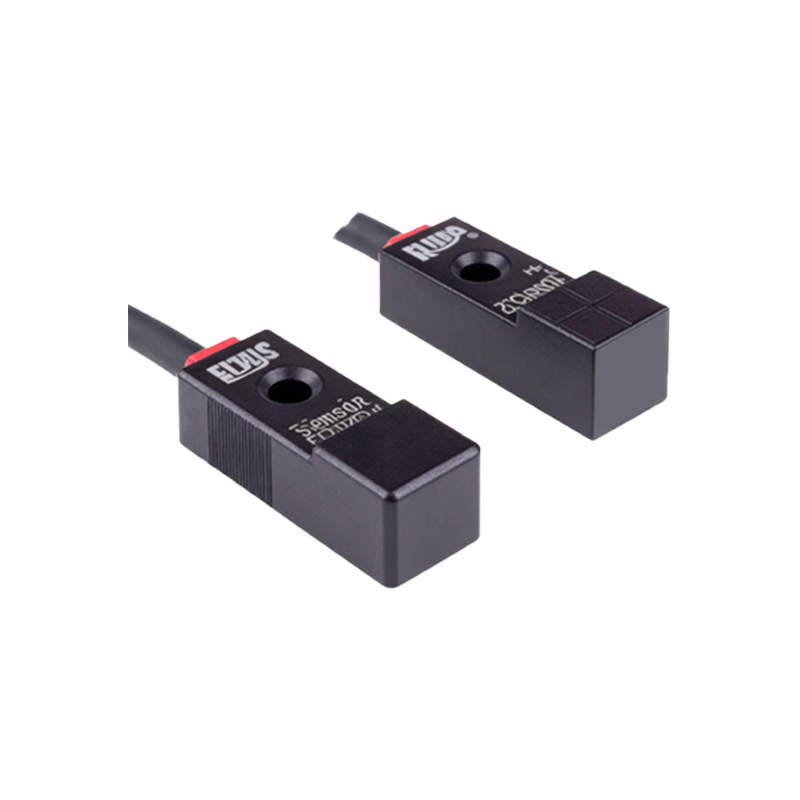
Proximity sensors are essential components in modern industrial automation, providing non-contact detection of objects within a specific range. These sensors enhance efficiency, safety, and precision in various applications, from manufacturing lines to robotics. This article explores the main types of proximity sensors, supported by illustrative images, to help engineers and technicians select the right sensor for their needs.
Inductive Proximity Sensors are widely used for detecting metallic objects. They operate by generating an electromagnetic field that interacts with metal targets, causing a change in oscillation amplitude. This triggers an output signal, typically in DC or AC forms. Common applications include position sensing in conveyor systems, metal detection in machinery, and safety interlocks. Images of inductive sensors often show cylindrical or rectangular housings with LED indicators, suitable for harsh environments due to their robust construction. Key advantages include high switching frequency, resistance to dirt and moisture, and long service life. However, they are limited to metal detection and have a shorter sensing range compared to other types.
Capacitive Proximity Sensors can detect both metallic and non-metallic materials, such as plastics, liquids, and wood. They work by measuring changes in capacitance caused by the presence of an object within the electric field. These sensors are versatile and often used in level detection for tanks, material handling, and packaging industries. Visual representations typically feature sensors with adjustable sensitivity settings and compact designs. Benefits include the ability to sense through non-metallic containers and adaptability to various materials. Drawbacks may include sensitivity to environmental factors like humidity and temperature fluctuations.
Ultrasonic Proximity Sensors utilize sound waves to detect objects, regardless of material composition. They emit high-frequency ultrasonic pulses and measure the time taken for echoes to return, calculating distance accurately. These sensors are ideal for applications requiring precise distance measurement or detection of transparent or irregularly shaped objects, such as in automotive assembly or liquid level monitoring. Images often depict sensors with transducers and display units, highlighting their use in complex setups. Advantages include long sensing ranges and reliability in dusty or foggy conditions. Limitations involve potential interference from soft materials that absorb sound or ambient noise.
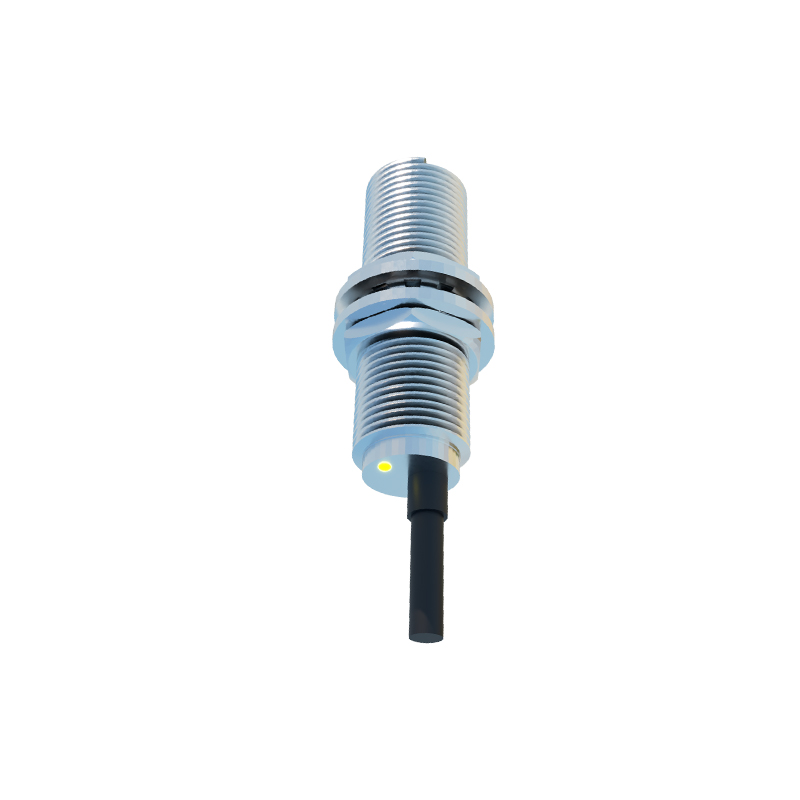
Magnetic Proximity Sensors detect magnetic fields, commonly using reed switches or Hall effect technology. They are employed in applications where contactless sensing of magnets is needed, such as in door position sensing, cylinder position feedback, and automotive systems. Photographs usually show small, durable sensors with wiring connections, emphasizing their simplicity and low power consumption. Pros include insensitivity to non-magnetic substances and high durability. Cons are limited to magnetic targets and susceptibility to strong external magnetic fields.
Optical Proximity Sensors, including photoelectric types, use light beams to detect objects. They consist of an emitter and receiver, with variations like through-beam, retro-reflective, and diffuse models. These sensors are popular in automation for counting, sorting, and presence detection, especially in clean environments. Images often highlight compact designs with alignment aids and LED indicators. Strengths include fast response times and ability to sense small objects. Weaknesses can involve interference from ambient light or opaque obstructions.
In summary, selecting the right proximity sensor depends on factors like target material, environmental conditions, and required precision. Engineers should refer to datasheets and application notes, supported by visual guides, to ensure optimal performance. As technology advances, smart sensors with IoT integration are becoming prevalent, offering enhanced diagnostics and connectivity. By understanding these sensor types and their visual characteristics, professionals can drive innovation and efficiency in industrial settings.