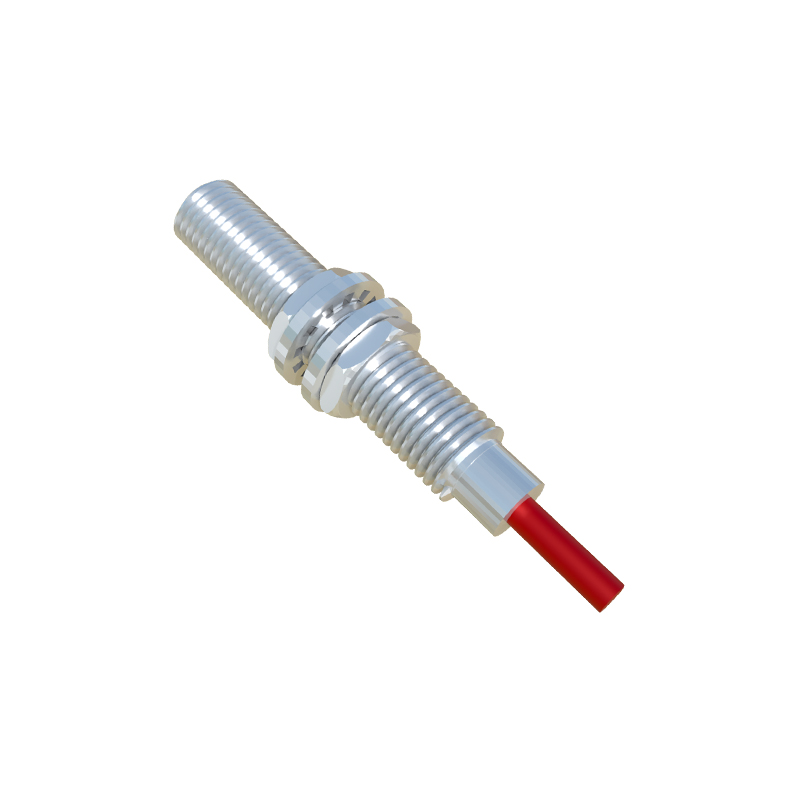
Proximity sensors have become indispensable components in modern industrial automation, offering non-contact detection capabilities that enhance efficiency, safety, and reliability. These sensors operate by emitting electromagnetic fields or beams to detect the presence or absence of objects within their sensing range. Their ability to function without physical contact minimizes wear and tear, reduces maintenance costs, and ensures longevity in demanding environments.
In manufacturing, proximity sensors are widely used for object detection on assembly lines. They accurately identify components as they move along conveyors, triggering actions such as sorting, counting, or quality control. For instance, inductive proximity sensors excel in detecting metallic objects, making them ideal for metal fabrication and automotive industries. Capacitive sensors, on the other hand, can detect non-metallic materials like plastics, wood, or liquids, enabling applications in packaging and food processing.
Robotics and automation heavily rely on proximity sensors for precise positioning and collision avoidance. In robotic arms, sensors ensure accurate gripping and placement of items, while in autonomous guided vehicles (AGVs), they help navigate obstacles and maintain safe distances. Ultrasonic proximity sensors are particularly useful in dusty or humid conditions where optical sensors might fail, providing reliable detection in challenging settings like mining or agriculture.
Safety systems integrate proximity sensors to protect personnel and equipment. Machine guarding applications use these sensors to create safety zones, halting machinery when a worker enters a hazardous area. In elevators and doors, sensors prevent entrapment by detecting obstructions during closure. Additionally, proximity sensors monitor rotational speed and position in motors, triggering alarms if anomalies occur, thus preventing equipment failure.
The automotive industry employs proximity sensors for parking assistance, blind-spot detection, and automated braking systems. These sensors enhance driver safety by providing real-time feedback on nearby obstacles. In consumer electronics, they enable touchless interfaces, such as automatic faucets or hand dryers, promoting hygiene and convenience.
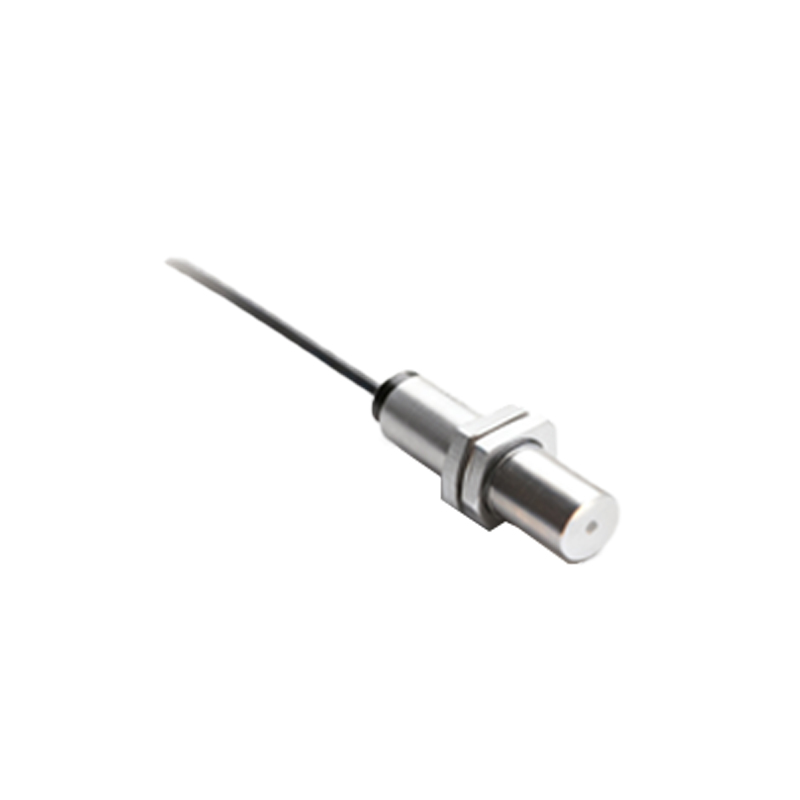
Energy efficiency is another key benefit. Proximity sensors optimize lighting and HVAC systems by detecting occupancy in buildings, reducing energy waste. In smart homes, they automate appliances based on user presence, contributing to sustainable living.
Despite their advantages, selecting the right proximity sensor requires consideration of factors like sensing distance, material composition, and environmental conditions. Advances in IoT and Industry 4.0 have led to smarter sensors with connectivity features, enabling predictive maintenance and data analytics. As industries evolve, proximity sensors will continue to play a critical role in driving innovation and operational excellence.