In the realm of industrial automation and control systems, proximity switch sensors are indispensable components for non-contact detection of metallic objects. Among the various design elements that contribute to their reliability and performance, the housing material stands out as a critical factor. Specifically, the copper housing, while not as ubiquitous as stainless steel or nickel-plated brass variants, offers a unique set of properties that make it suitable for specialized applications. This article delves into the technical aspects, advantages, limitations, and ideal use cases for proximity switch sensors encased in copper.
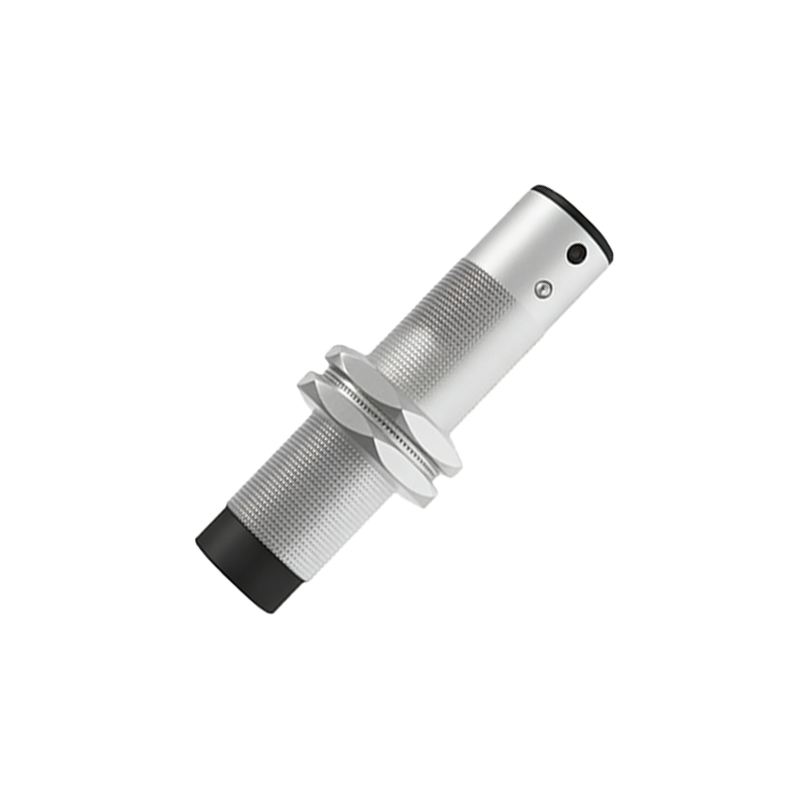
Copper, as an engineering material, is renowned for its exceptional electrical and thermal conductivity. When applied to the housing of an inductive proximity sensor, these properties can influence the sensor's operational characteristics. The primary function of the housing is to protect the internal oscillator coil, amplifier, and output circuitry from environmental hazards such as moisture, dust, chemicals, and mechanical impact. A copper housing provides a robust, hermetic seal that ensures the longevity of the sensor in demanding conditions. Its high thermal conductivity allows for efficient dissipation of heat generated by internal electronic components, potentially enhancing the sensor's stability and lifespan in high-temperature environments or during continuous operation.
One of the most significant technical considerations is the effect of the housing material on the sensor's sensing distance and electromagnetic field. Inductive proximity sensors generate an electromagnetic field from the coil. The presence of a metallic housing, known as the "shield" or "face," influences this field. Copper, being a conductive non-ferrous metal, can act as a shield. In a standard shielded (flush-mountable) design, the housing material helps to shape the electromagnetic field, concentrating it axially out from the sensing face. This allows the sensor to be installed flush in a metal bracket without the bracket interfering with the sensing field. The copper housing effectively contains the field laterally, providing a precise sensing range. However, engineers must note that the exact nominal sensing distance (Sn) specified by the manufacturer is calibrated for standard mild steel (Fe360). For copper targets, the sensing distance is significantly reduced—typically to about 30-40% of Sn due to copper's lower permeability and different eddy current response. This principle inversely applies to the housing itself; its presence is carefully engineered to not detrimentally attenuate the sensor's own field.
The advantages of a copper housing are multifaceted. Firstly, its superior corrosion resistance in certain atmospheres is notable. Copper forms a protective patina that inhibits further corrosion, making it suitable for applications involving certain chemicals or outdoor exposure where rust is a concern, though it is not universally resistant to all acids or ammonia. Secondly, in applications involving high-frequency or sensitive electronic environments, copper's excellent electromagnetic shielding properties can be beneficial in reducing electromagnetic interference (EMI) both emitted by and affecting the sensor. This contributes to signal integrity in complex control panels. Furthermore, copper possesses natural antimicrobial properties, a feature that can be advantageous in industries with strict hygiene standards, such as food and beverage or pharmaceutical manufacturing, where inhibiting microbial growth on equipment surfaces is desirable.
Despite these benefits, there are clear limitations. Cost is a primary factor; copper is generally more expensive than common alternatives like plated brass or certain grades of stainless steel. Its mechanical strength, while adequate for most sensor applications, is lower than that of steel, making it less ideal for environments with extreme mechanical abrasion or high-risk of crushing impacts. Also, its distinct reddish-brown appearance may not be preferred for aesthetic reasons in some machinery. Perhaps the most crucial limitation is its incompatibility with certain target materials. If the application involves detecting objects made of copper or other non-ferrous metals with similar electrical characteristics, the sensing distance will be markedly shorter, and sensor selection must be carefully validated.
Typical applications for proximity sensors with copper housings are found in niche sectors. They are often employed in marine environments or coastal areas due to copper's good resistance to saltwater corrosion. Electrical utility and power generation facilities, where EMI shielding and thermal management are priorities, may also utilize them. The chemical processing industry might select copper-housed sensors for specific, non-aggressive chemical atmospheres where its corrosion resistance profile is a match. Lastly, any automated system in the food processing chain where sensor cleanliness and hygiene are paramount could benefit from the antimicrobial attribute of copper.
In conclusion, the selection of a copper housing for a proximity switch sensor is a deliberate engineering decision based on a thorough analysis of the application's environmental, electrical, and operational requirements. It is not a default choice but a specialized solution. Engineers must weigh its excellent conductivity, corrosion resistance, and shielding capabilities against factors like cost, mechanical strength, and reduced sensing range for non-ferrous targets. By understanding these material-specific properties, one can effectively specify copper-housed proximity sensors to enhance system reliability and performance in suitable challenging environments, ensuring optimal functionality within the broader electrical control system.