In the realm of industrial automation and control systems, the demand for reliable, compact, and versatile sensing solutions is ever-present. Among the myriad of sensor types available, the small rectangular proximity switch sensor stands out as a fundamental component in countless applications. This article delves into the operational principles, key features, selection criteria, and typical applications of these indispensable devices, providing a thorough understanding for engineers and technicians.
At its core, a proximity switch sensor is a non-contact device that detects the presence or absence of an object within its sensing range without any physical contact. The small rectangular form factor is particularly popular due to its space-saving design, which allows for easy integration into machinery with limited mounting space. These sensors primarily operate on one of three principles: inductive, capacitive, or photoelectric. Inductive sensors are the most common for metallic object detection, generating an electromagnetic field and sensing the eddy current losses caused by a metallic target. Capacitive sensors can detect both metallic and non-metallic materials by measuring changes in capacitance. While many small rectangular sensors are inductive, the housing style is also used for some capacitive and photoelectric models.
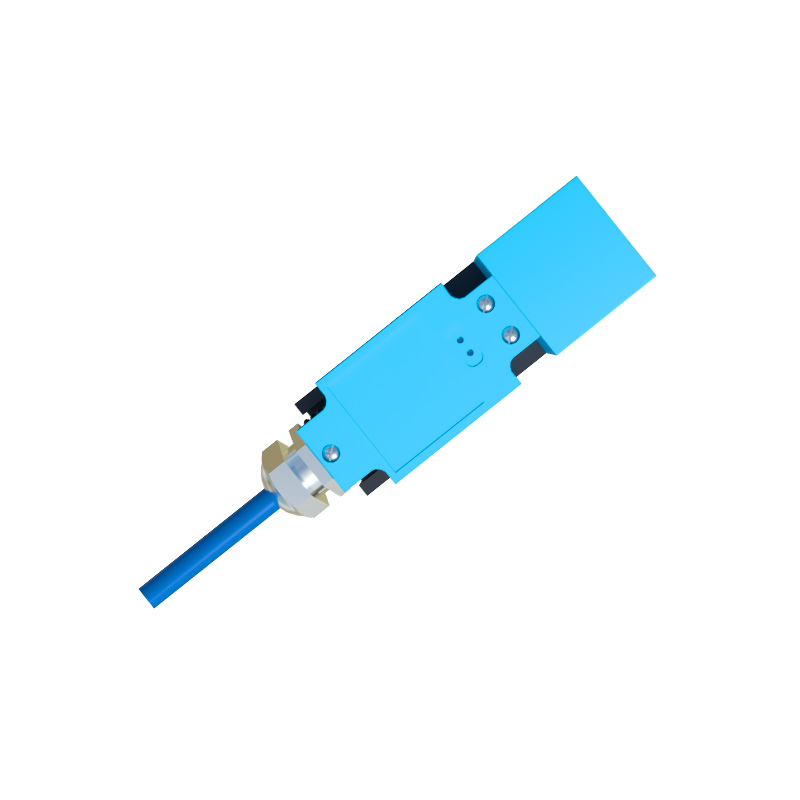
The defining characteristic of the "small rectangular" design is its compact, often cuboid, housing. Standard dimensions might range from approximately 10mm x 20mm x 30mm, though sizes vary by manufacturer and model. This standardized shape facilitates straightforward mounting in drilled holes or on brackets. Despite their small size, these sensors are engineered for robustness. Typical housing materials include nickel-plated brass, stainless steel, or rugged plastics like PBT, offering high resistance to impacts, vibrations, and harsh industrial environments including coolants, oils, and metal chips.
Electrical specifications are critical for proper integration. Most industrial proximity sensors operate on DC voltages (commonly 10-30V DC) or AC voltages. The output is typically a solid-state switch, either in a PNP (sourcing) or NPN (sinking) configuration for DC models, with a normally open (NO) or normally closed (NC) logic. The sensing distance, a crucial parameter, is relatively short for these compact units—often from 1mm to 5mm for standard inductive models, defined as the nominal operating distance. It is vital to note that the sensing distance can be affected by the target material's type, size, and shape.
Selecting the right small rectangular proximity sensor requires careful consideration of several application-specific factors. First, identify the target material (e.g., steel, aluminum, plastic, liquid) to choose between inductive, capacitive, or photoelectric sensing technology. Next, determine the required sensing distance, ensuring it accommodates any mechanical tolerances in the system. The environmental conditions are paramount; one must check the sensor's Ingress Protection (IP) rating (e.g., IP67, IP68) for dust and water resistance, and its temperature operating range. Electrical compatibility with the control system (voltage, output type PNP/NPN, and current rating) is non-negotiable. Finally, physical constraints such as available mounting space and the need for shielded (flush-mountable) or unshielded (non-flush) models will guide the final choice. Shielded sensors can be mounted flush in metal without affecting their sensing field, whereas unshielded sensors offer a longer sensing range but require non-metallic surroundings.

The applications for small rectangular proximity switches are vast and span across all industrial sectors. In automotive manufacturing, they are used for part presence verification on assembly lines, checking if a component like a piston or bracket is correctly positioned before a robotic weld. Packaging machinery utilizes them to detect labels, count products on conveyors, or monitor the position of a sealing jaw. In material handling, they act as limit switches to confirm the position of a sliding gate or elevator carriage. CNC machine tools rely on them for tool breakage detection, spindle orientation, and pallet positioning. Their reliability makes them ideal for safety interlocks on guards and doors.
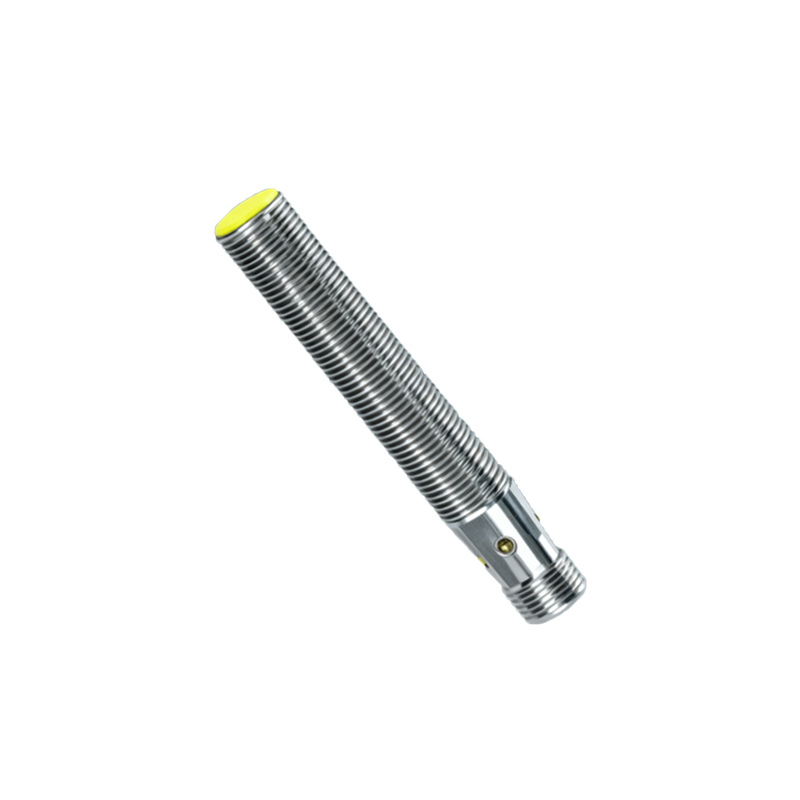
Installation and maintenance practices significantly impact sensor longevity and performance. Ensure correct wiring according to the datasheet to prevent damage. Maintain the specified clearance between multiple sensors to avoid mutual interference. Regularly clean the sensing face from accumulated debris, grease, or metal shavings that could attenuate the sensing field. Periodically verify the sensor's operation, as mechanical misalignment or wear on the target can lead to failure.
In conclusion, the small rectangular proximity switch sensor is a powerhouse of functionality packed into a minimal footprint. Its design represents an optimal balance between performance, durability, and space efficiency. By understanding their operating principles, specifications, and application requirements, engineers can effectively leverage these sensors to enhance the reliability, safety, and efficiency of automated systems. As technology advances, we continue to see improvements in sensing ranges, housing materials, and integrated diagnostics in this classic form factor, ensuring its continued