Proximity sensors are indispensable components in modern industrial automation, offering non-contact detection of objects within their sensing range. These devices operate on various principles, including inductive, capacitive, ultrasonic, and photoelectric technologies, each tailored to specific environmental and material conditions. Understanding their key features is crucial for optimizing system performance, enhancing safety, and reducing maintenance costs in manufacturing, robotics, and automotive sectors.
One of the primary characteristics of proximity sensors is their sensing distance, which defines the maximum range at which an object can be reliably detected. This parameter varies significantly based on the sensor type and target material. For instance, inductive sensors excel in detecting metallic objects but have limited range compared to ultrasonic sensors, which can sense non-metallic materials over longer distances. Engineers must consider factors like target size, shape, and orientation to ensure accurate detection, as these elements influence the effective sensing range.
Another critical feature is the response time, which refers to the delay between detecting an object and generating an output signal. High-speed applications, such as assembly lines or packaging machinery, require sensors with fast response times—often in the millisecond range—to maintain operational efficiency. Inductive and photoelectric sensors typically offer rapid response, while capacitive sensors may be slower due to their sensitivity to environmental changes like humidity or dust. Selecting a sensor with an appropriate response time prevents bottlenecks and improves throughput in automated processes.
Environmental robustness is a vital consideration in industrial settings. Proximity sensors are often exposed to harsh conditions, including extreme temperatures, moisture, vibration, and electromagnetic interference. Enclosure ratings, such as IP67 or IP69K, indicate resistance to dust and water ingress, ensuring reliable operation in washdown environments or outdoor installations. Additionally, temperature stability affects sensor longevity; models with wide operating temperature ranges (e.g., -25°C to 70°C) are preferred for applications in foundries or refrigeration units.
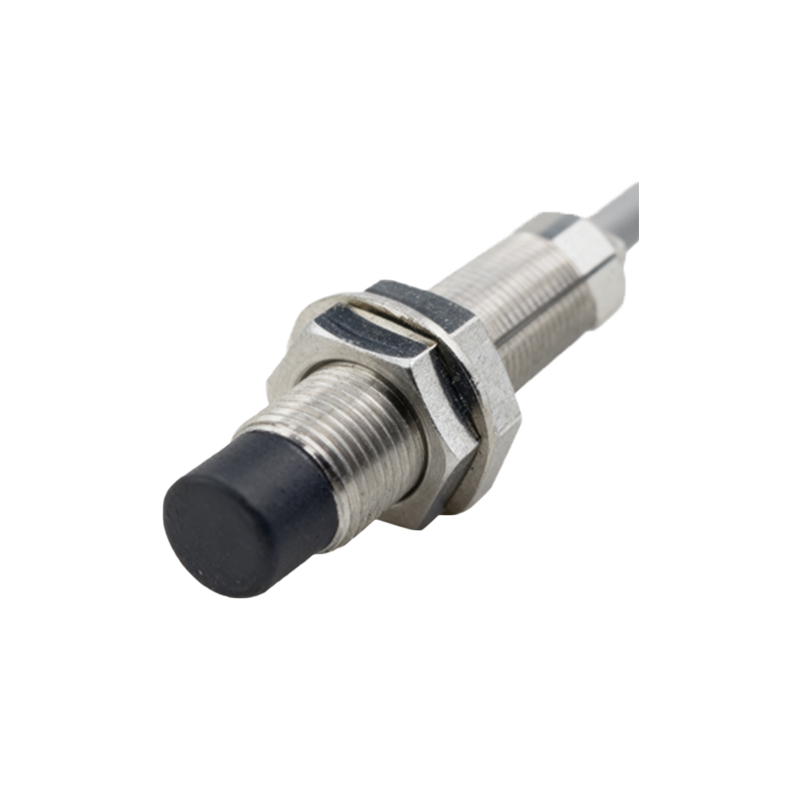
Output configuration and wiring flexibility also play a significant role in system integration. Most proximity sensors provide digital outputs (e.g., NPN or PNP transistors) or analog signals (e.g., 4-20 mA or 0-10 V) for continuous measurement. The choice depends on the control system requirements—digital outputs are common for simple on/off detection, while analog outputs enable precise distance monitoring. Furthermore, connectors and cable types should be selected based on installation ease and durability, with options like M12 or M8 connectors simplifying maintenance in tight spaces.
Accuracy and repeatability are essential for quality control and precision tasks. Factors like hysteresis (the difference between switch-on and switch-off points) and linearity (deviation from an ideal response curve) impact sensor performance. For example, in robotic positioning, a sensor with low hysteresis ensures consistent object detection, minimizing errors. Regular calibration and adherence to manufacturer specifications help maintain accuracy over time, especially in applications involving variable materials or surface conditions.
Energy efficiency and cost-effectiveness are increasingly important in sustainable industrial operations. Modern proximity sensors incorporate low-power designs, reducing energy consumption without compromising functionality. Lifecycle costs, including initial purchase, installation, and maintenance, should be evaluated alongside technical features. For instance, a sensor with a higher upfront cost but longer service life may offer better value in high-duty cycles, reducing downtime and replacement expenses.
In summary, analyzing proximity sensor features involves a holistic assessment of sensing distance, response time, environmental durability, output options, accuracy, and economic factors. By matching these characteristics to application-specific needs—such as material handling, safety interlocks, or precision measurement—engineers can enhance system reliability and productivity. As Industry 4.0 advances, integrating smart sensors with IoT capabilities will further expand their role, enabling predictive maintenance and real-time data analytics for optimized industrial performance.