In the realm of industrial automation and control systems, the proper selection of proximity sensor switches is a critical engineering decision that directly impacts system reliability, efficiency, and safety. These non-contact devices, which detect the presence or absence of an object within their sensing range, come in various technologies, each with distinct characteristics and ideal application scenarios. Understanding the key selection parameters is paramount for optimal performance.
The primary consideration is the sensing technology itself. The most common types are Inductive, Capacitive, Ultrasonic, and Photoelectric sensors. Inductive proximity sensors are the workhorses of metal detection. They generate an electromagnetic field and detect eddy current losses caused by metallic targets. They are robust, resistant to environmental contaminants like dust and oil, and are ideal for detecting ferrous and non-ferrous metals in harsh manufacturing environments, such as in CNC machine tool positioning or conveyor line counting. Capacitive sensors, on the other hand, can detect nearly any material—metals, plastics, wood, liquids, and granules—by measuring changes in capacitance. They are excellent for level detection in tanks (liquids or powders) or for detecting non-metallic objects on a production line. Ultrasonic sensors use sound waves to measure distance or detect objects, making them suitable for applications requiring longer ranges or where the target's material properties are inconsistent. Photoelectric sensors utilize a light beam (visible, infrared, or laser) and are perfect for long-range detection, small object sensing, or color differentiation, though they can be affected by ambient light and dirty environments.
Beyond the core technology, the operating environment dictates many specifications. The sensor's housing material and Ingress Protection (IP) rating are crucial. For washdown areas in food and beverage or pharmaceutical industries, stainless steel housings with IP67, IP68, or IP69K ratings are mandatory to withstand high-pressure cleaning and corrosive chemicals. In general factory settings, nickel-plated brass or PBT plastic housings with IP67 ratings are common. The temperature range of operation must also be considered, especially for foundries, outdoor applications, or cold storage facilities.
Electrical characteristics form another vital selection block. The output type must match the control system's input card. The two main categories are Discrete (Digital) and Analog outputs. Discrete outputs, typically in configurations like NPN (sinking) or PNP (sourcing), provide a simple ON/OFF signal and are most common for presence detection. Analog outputs (0-10V, 4-20mA) provide a continuous signal proportional to the distance to the target, used in applications like position feedback or thickness measurement. The supply voltage range (e.g., 10-30V DC, 90-250V AC) must be compatible with the plant's power system. Additionally, the current rating of the output must be sufficient to drive the connected load, such as a PLC input, relay, or indicator lamp.
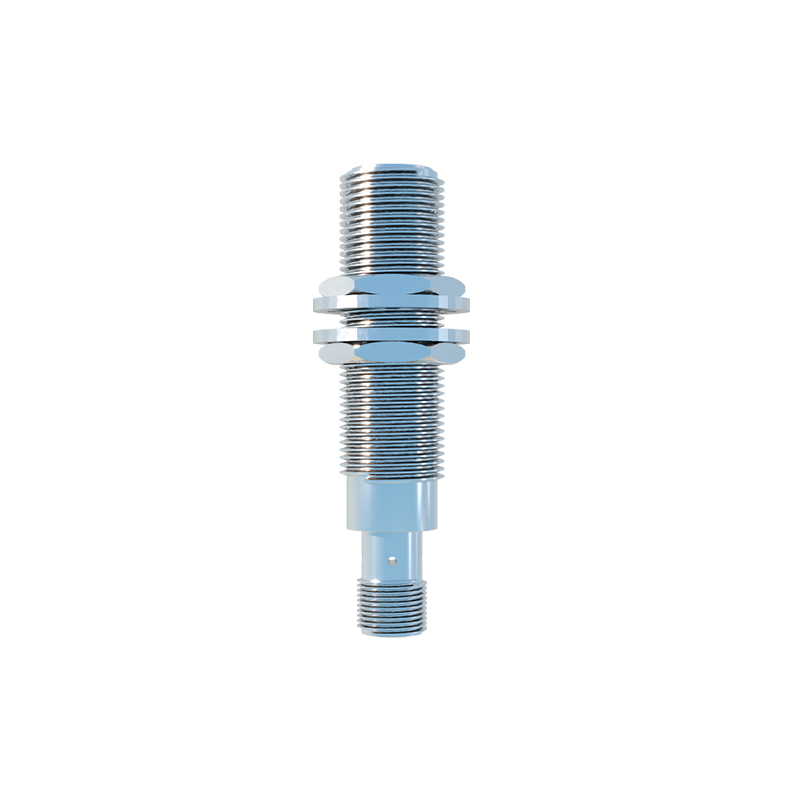
Physical and performance specifications are equally important. The nominal sensing distance (Sn) is the rated detection range under standardized conditions. In practice, a derating factor (often 70-80% of Sn) is applied to account for temperature fluctuations, supply voltage variations, and target material differences. The repeat accuracy defines how consistently the sensor can detect an object at the same point, a critical factor in high-precision assembly. The response time, or switching frequency, indicates how quickly the sensor can turn on and off, which is essential for high-speed counting or sorting applications. Mounting considerations—whether flush, non-flush, or in a threaded barrel—affect the sensing field and potential interference from surrounding metal.
Finally, application-specific features can guide the final choice. Some sensors have built-in short-circuit and reverse polarity protection for enhanced durability. For welding environments, weld-field immune models are necessary to resist the strong electromagnetic interference from welding equipment. For precise positioning tasks, sensors with a very narrow hysteresis (the difference between the switch-on and switch-off point) are selected. In safety-critical applications, certified safety-rated devices with redundant outputs must be used.
In conclusion, selecting the right proximity sensor is a systematic process of matching the sensor's capabilities to the application's demands. It requires a thorough analysis of the target material, required sensing distance, environmental conditions, electrical interface, and performance needs. A methodical approach to these selection criteria ensures a reliable, maintainable, and cost-effective sensing solution that enhances overall system integrity and productivity. Consulting detailed manufacturer datasheets and application engineers is always recommended for complex or borderline applications.