Proximity sensors are critical components in modern industrial automation, robotics, and safety systems. These devices detect the presence or absence of objects without physical contact, relying on electromagnetic fields, infrared light, or ultrasonic waves. However, like any precision instrument, proximity sensors require regular calibration to maintain accuracy, reliability, and compliance with industry standards. The question of where to calibrate them is not trivial—it involves considerations of environment, equipment, expertise, and regulatory requirements.
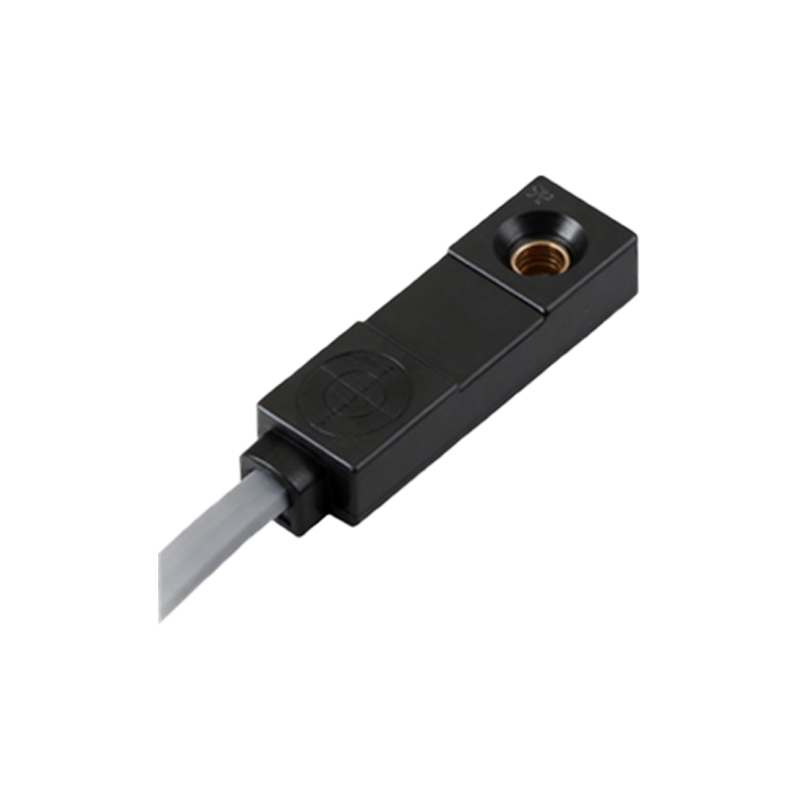
First, calibration can be performed on-site or off-site, each with distinct advantages. On-site calibration is often preferred in industries where downtime is costly, such as manufacturing lines or power plants. Here, technicians bring portable calibration equipment to the location of the sensor. This approach minimizes disruption to operations and allows for real-time adjustments in the sensor's actual working environment. Factors like temperature, humidity, and electromagnetic interference can affect sensor performance, so on-site calibration accounts for these variables. For instance, in an automotive assembly plant, inductive proximity sensors used on conveyor systems may be calibrated in place to ensure they correctly detect metal parts despite ambient noise from nearby machinery.
Off-site calibration, on the other hand, involves sending sensors to a dedicated laboratory or service center. These facilities offer controlled conditions with advanced tools, such as laser interferometers or precision distance gauges, which may not be feasible on-site. Laboratories accredited to standards like ISO/IEC 17025 provide traceable calibration, meaning measurements are linked to national or international standards through an unbroken chain of comparisons. This is essential for industries with strict regulatory oversight, such as aerospace, pharmaceuticals, or food processing. For example, capacitive proximity sensors in a cleanroom environment might be calibrated off-site to verify their sensitivity to non-metallic materials like plastics or liquids, ensuring they meet FDA guidelines for contamination prevention.
Another key location for calibration is the manufacturer's service center. Many sensor producers, including brands like Omron, Schneider Electric, or Sick, offer calibration services as part of their support packages. These centers have specialized knowledge of their own products, access to proprietary software, and original spare parts. Calibration here often includes firmware updates or diagnostic checks that might not be available elsewhere. For complex sensors, such as ultrasonic proximity devices used in level sensing for tanks, manufacturer calibration can optimize parameters like beam angle or response time, tailored to specific applications.
In-house calibration is an option for large organizations with the resources to maintain their own calibration labs. This requires investment in equipment like signal generators, oscilloscopes, and environmental chambers, as well as trained personnel certified by bodies like the International Society of Automation (ISA). In-house labs can develop custom calibration procedures for unique sensor setups, such as those in research facilities or custom machinery. However, they must regularly audit their processes to ensure compliance with standards like ANSI/NCSL Z540.
The choice of location also depends on sensor type. Inductive sensors, common in metal detection, may need calibration with specific target materials at set distances. Photoelectric sensors, used for object detection in packaging, require light source alignment and sensitivity tuning. Magnetic proximity sensors, found in safety switches, might be calibrated with controlled magnetic fields. Each type has optimal settings—for example, calibrating a Hall-effect sensor in a lab with shielded rooms can prevent external magnetic interference.
Ultimately, the decision on where to calibrate proximity sensors hinges on factors like cost, time, accuracy needs, and industry regulations. Best practices include documenting calibration records, scheduling regular intervals (e.g., annually or per operating hours), and using certified providers. As Industry 4.0 advances, remote calibration via IoT-enabled sensors is emerging, allowing adjustments through cloud-based platforms without physical relocation. This innovation could redefine calibration locations, blending on-site convenience with off-site precision.
In summary, proximity sensor calibration is vital for system integrity. Whether done on-site, off-site, at a manufacturer center, or in-house, the goal is to ensure sensors perform reliably in their intended applications. Engineers should assess their operational context and consult standards like IEC 60947-5-2 to make informed choices, safeguarding efficiency and safety in electrical systems.