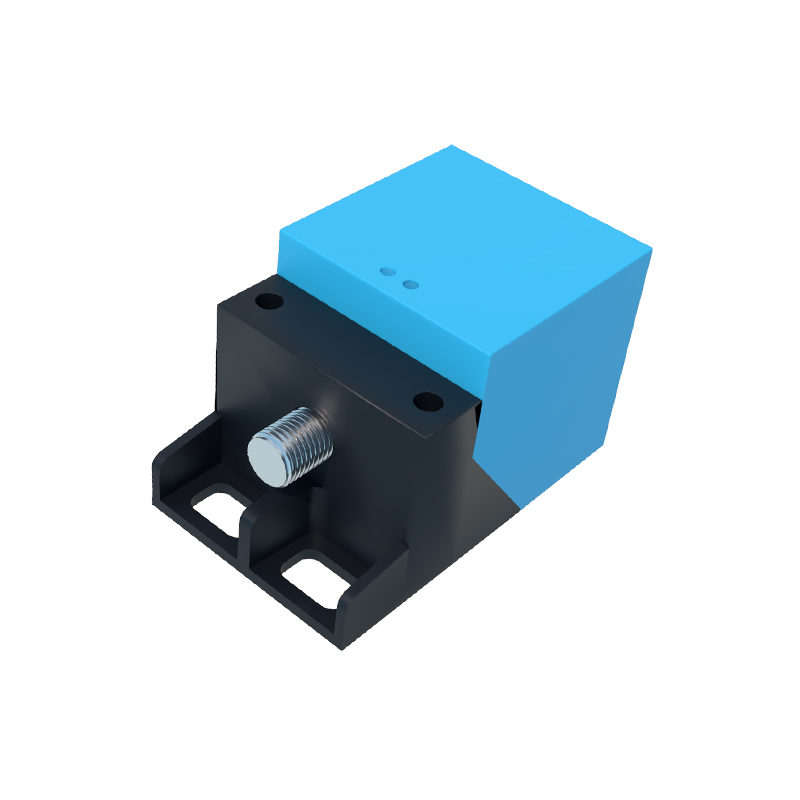
In the realm of industrial automation, universal proximity sensors are indispensable components, providing non-contact detection of objects with precision and durability. These sensors, whether inductive, capacitive, or photoelectric, rely on a consistent power supply to function optimally in demanding environments. While the focus often lies on the sensor's housing, sensing range, and output type, the significance of using original batteries is frequently underestimated. This article delves into why genuine batteries are critical for maintaining the performance, safety, and cost-efficiency of universal proximity sensor systems.
Universal proximity sensors are engineered to operate under harsh conditions, including extreme temperatures, vibration, and exposure to contaminants. Original batteries are specifically designed to match these rigorous requirements. They undergo stringent testing to ensure stable voltage output and longevity, which directly impacts the sensor's reliability. Generic or counterfeit batteries may fail to deliver consistent power, leading to false triggers, reduced sensing accuracy, or complete sensor shutdown. In high-stakes industrial settings, such as automotive assembly lines or packaging machinery, even momentary power dips can cause costly production halts or safety incidents.
From a technical perspective, original batteries for proximity sensors are tailored to the device's power consumption profile. Manufacturers calibrate sensors to work efficiently with their recommended power sources, considering factors like current draw during operation and standby modes. Using non-original batteries can disrupt this balance, potentially causing overheating or premature battery depletion. For instance, a universal inductive proximity sensor might require a steady DC voltage; an incompatible battery could introduce voltage fluctuations, affecting the sensor's ability to detect metallic objects accurately. Over time, this mismatch can degrade internal components, shortening the sensor's lifespan and increasing maintenance needs.
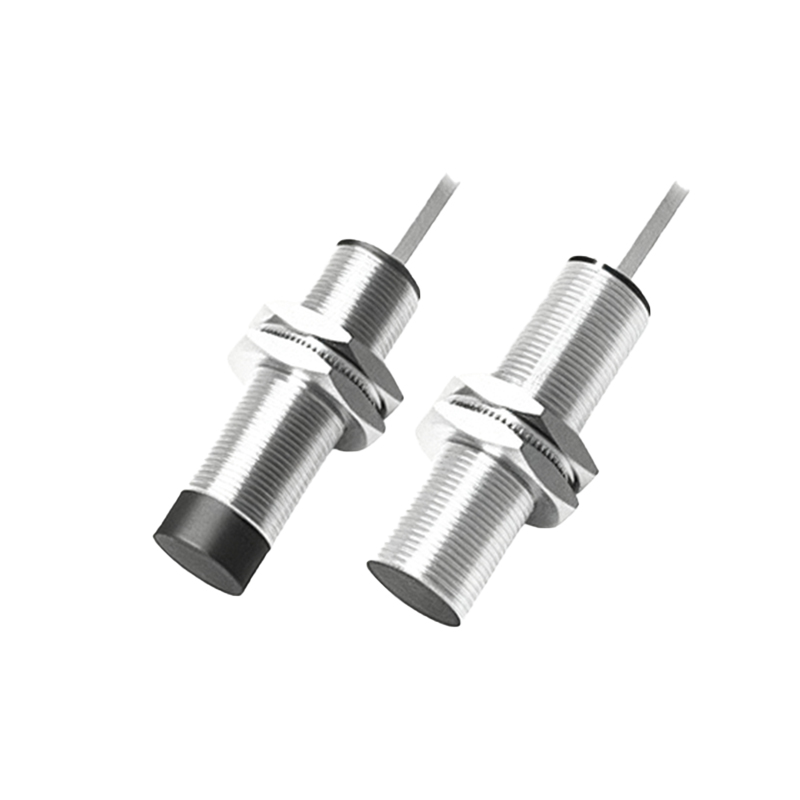
Safety is another paramount concern. Industrial environments often involve flammable materials or explosive atmospheres, where equipment must comply with standards like ATEX or IECEx. Original batteries are certified to meet these safety regulations, featuring built-in protections against short circuits, leakage, and overcharging. Substandard batteries lack these safeguards, posing risks of chemical leaks or thermal runaway, which could damage the sensor and create hazardous workplace conditions. By investing in genuine batteries, companies mitigate these risks, ensuring compliance with industry safety protocols and protecting both personnel and assets.
Economically, while original batteries may have a higher upfront cost compared to alternatives, they offer superior total cost of ownership. Their extended service life reduces replacement frequency, lowering labor costs and downtime. Moreover, they help avoid expenses related to sensor repairs or replacements due to power-related failures. A case study in a manufacturing plant showed that switching to original batteries for proximity sensors reduced unexpected downtime by 30% over two years, highlighting the long-term financial benefits. Companies should view batteries not as disposable items but as integral parts of their automation infrastructure.
To maximize battery performance, users should follow best practices, such as storing batteries in cool, dry conditions and monitoring their voltage regularly. Most universal proximity sensors include indicators for low battery alerts; heed these warnings promptly to prevent operational disruptions. When sourcing batteries, purchase from authorized distributors or directly from sensor manufacturers to avoid counterfeits. Documenting battery replacement schedules as part of preventive maintenance plans can further enhance system reliability.
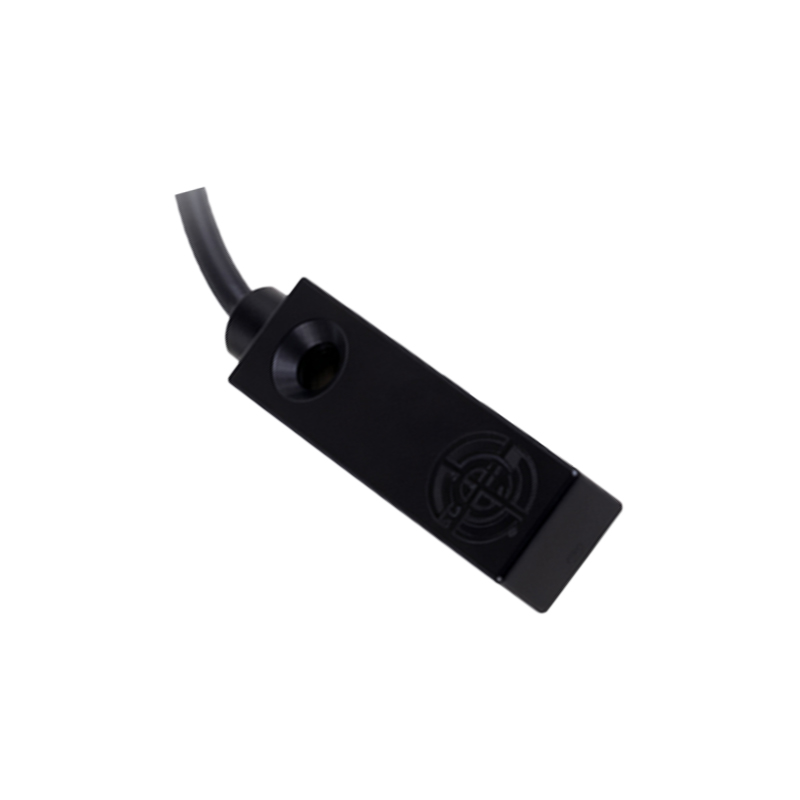
In conclusion, the choice of batteries for universal proximity sensors is a critical decision that influences overall system integrity. Original batteries provide the reliability, safety, and efficiency needed for continuous industrial operations. As technology advances, with trends like IoT-enabled sensors and energy-efficient designs, the role of quality power sources will only grow in importance. Prioritizing genuine components is a proactive step toward sustaining productivity and achieving operational excellence in the dynamic field of industrial automation.