In the realm of industrial automation and control systems, proximity switch sensors are indispensable components for non-contact detection of objects. However, their optimal performance and longevity are heavily dependent on the correct selection and use of associated accessories. These accessories are not mere add-ons but critical elements that ensure reliability, safety, and functionality in demanding environments.
One of the most fundamental accessories is the mounting bracket or housing. Proximity sensors often operate in harsh conditions—exposed to vibration, mechanical shock, dust, moisture, and chemicals. A robust, correctly sized mounting bracket ensures secure installation, preventing misalignment or loosening that could lead to false triggering or failure. Stainless steel or nickel-plated brass housings are common for corrosive environments, while plastic variants suit less aggressive settings. Proper mounting also involves considering the sensor's sensing distance and orientation; brackets that allow for fine adjustment can be invaluable for precise positioning.
Electrical connection accessories are equally vital. This category includes pre-wired connectors, junction boxes, and cable glands. Many industrial proximity switches come with integrated cables or connector options. Using manufacturer-recommended, IP-rated (Ingress Protection) connectors and cable glands maintains the sensor's environmental seal, preventing water and dust ingress that could compromise electrical integrity. For instance, an IP67 or IP68 rated connector is essential in washdown areas or outdoor installations. Junction boxes facilitate organized wiring, allowing multiple sensors to be connected neatly to a central control point, which simplifies maintenance and troubleshooting.
Protective accessories extend the sensor's operational life. Protective caps or shrouds, often made of urethane or Teflon, shield the sensing face from physical abrasion, weld spatter, or buildup of materials like grease or metal chips. In welding applications, specially designed weld-field immune models and protective covers are necessary to prevent damage from high-frequency interference and spatter. Similarly, thread protectors for cylindrical sensors guard the mounting threads during handling and storage, preventing damage that could complicate installation.
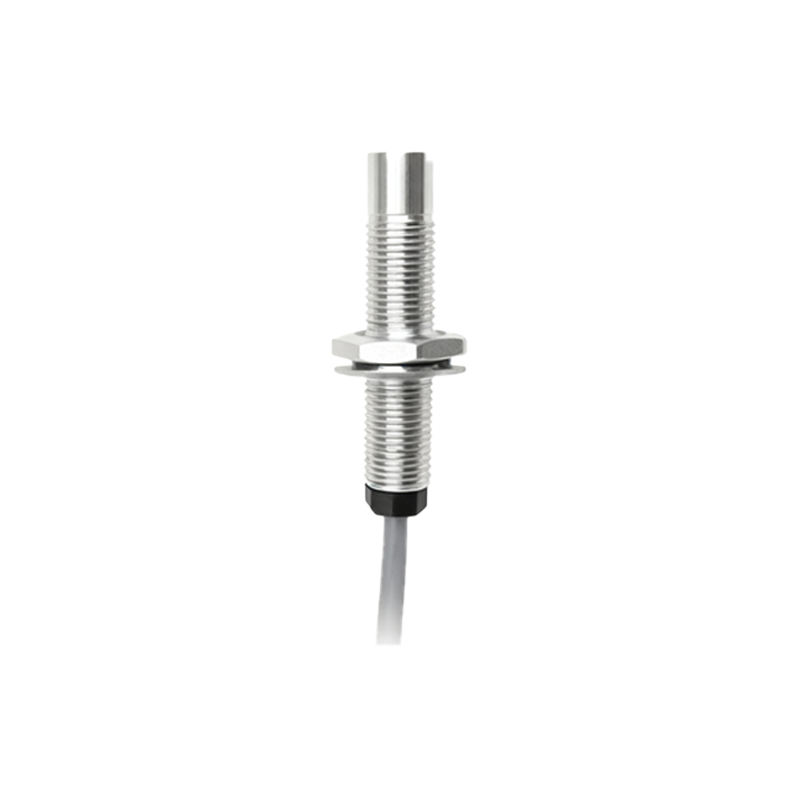
For electrical protection and signal conditioning, accessories like surge protectors and interface modules are crucial. Proximity sensors, especially in environments with inductive loads (e.g., motors, solenoids), are susceptible to voltage spikes and electrical noise. Surge protection devices (SPDs) or suppressors, such as RC networks or varistors, can be installed in parallel to absorb transient voltages, preventing premature sensor failure. Interface modules or amplifiers are used when the sensor's output signal needs conversion or boosting. For example, a module might convert a standard NPN/PNP output to a relay contact or a analog signal (4-20mA, 0-10V) for longer-distance transmission or compatibility with different PLC (Programmable Logic Controller) input cards.
Indicator and diagnostic accessories enhance maintainability. Devices with built-in LED status indicators are common, but external signal towers or remote indicators can be added for high-visibility monitoring from a distance. Some advanced systems incorporate IO-Link compatible sensors and hubs, enabling detailed digital diagnostics—such as reporting operating hours, temperature, or signal strength—directly to the control system, facilitating predictive maintenance.
Finally, consideration must be given to cabling and conduit. Using shielded cables is imperative in electrically noisy environments to prevent electromagnetic interference (EMI) from corrupting the sensor signal. Proper cable routing, away from power lines and motor drives, combined with metal conduit, provides additional physical and electrical protection. Strain relief devices at the cable entry point prevent wire breakage due to constant flexing or pulling.
In summary, the effective deployment of a proximity switch sensor extends beyond the sensor itself. A systems approach that integrates appropriate mounting solutions, electrical protections, physical safeguards, and diagnostic tools is essential. By carefully selecting these accessories, engineers and technicians can ensure robust sensing performance, minimize downtime, and achieve a higher return on investment in automated systems across manufacturing, packaging, material handling, and automotive industries. Ignoring these components risks unreliable operation, frequent replacements, and potential safety hazards.