In the intricate ecosystem of modern elevator systems, safety and precision are paramount. Among the myriad components ensuring these standards, the smoke rod type proximity sensor plays a critical, though often understated, role. This article delves into the operational principles, key applications, and essential selection criteria for these specialized sensors within the elevator industry.
Fundamentally, a smoke rod type proximity sensor is a non-contact sensing device. Its name derives from its characteristic slender, rod-like form factor, which allows for installation in confined spaces—a common scenario in elevator hoistways and car tops. Unlike traditional mechanical limit switches, it operates on the principle of electromagnetic induction or capacitive sensing. The sensor generates an oscillating electromagnetic field at its active face. When a metallic target (such as a vane, bracket, or the elevator car itself) enters this field, it induces eddy currents, causing a change in the oscillation amplitude. This change is detected by the sensor's circuitry, which subsequently triggers a solid-state switching output. The "smoke" descriptor often refers to common housing colors like dark gray or black, offering UV resistance and aesthetic blending with machinery.
The primary application of these sensors in elevators is for precise position detection and speed monitoring. They are ubiquitously employed as:
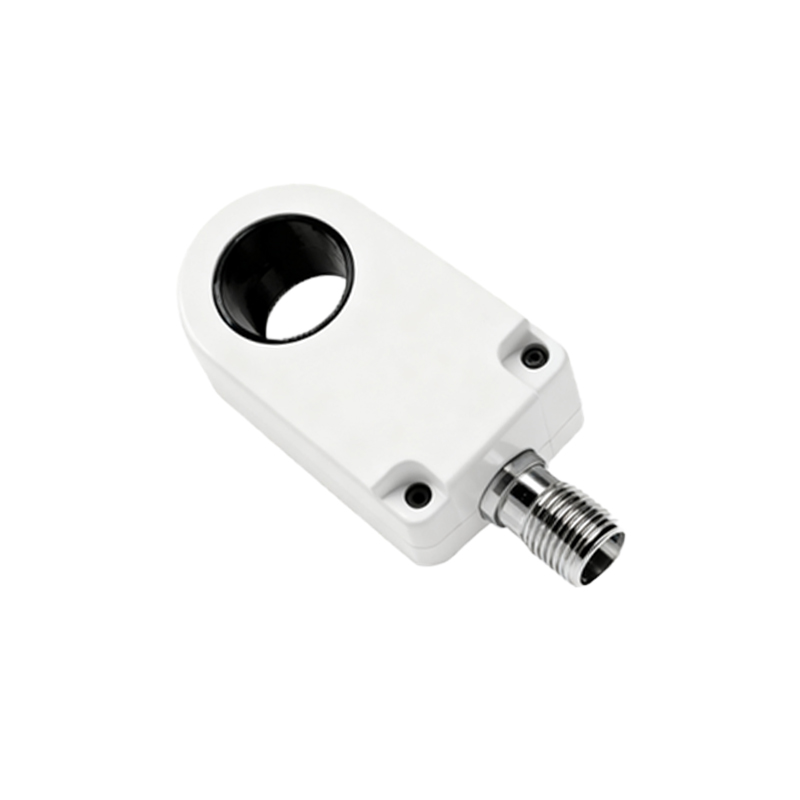
1. Leveling and Floor Position Sensors: Mounted in the hoistway or on the car, they detect reference vanes to ensure the elevator stops accurately aligned with each floor landing, facilitating smooth passenger entry and exit.
2. Over-Travel Limit Switches: Installed at the top and bottom of the elevator shaft, these sensors act as final safety backups. If the elevator exceeds normal travel limits, the sensor triggers an immediate safety circuit cutoff to prevent mechanical damage.
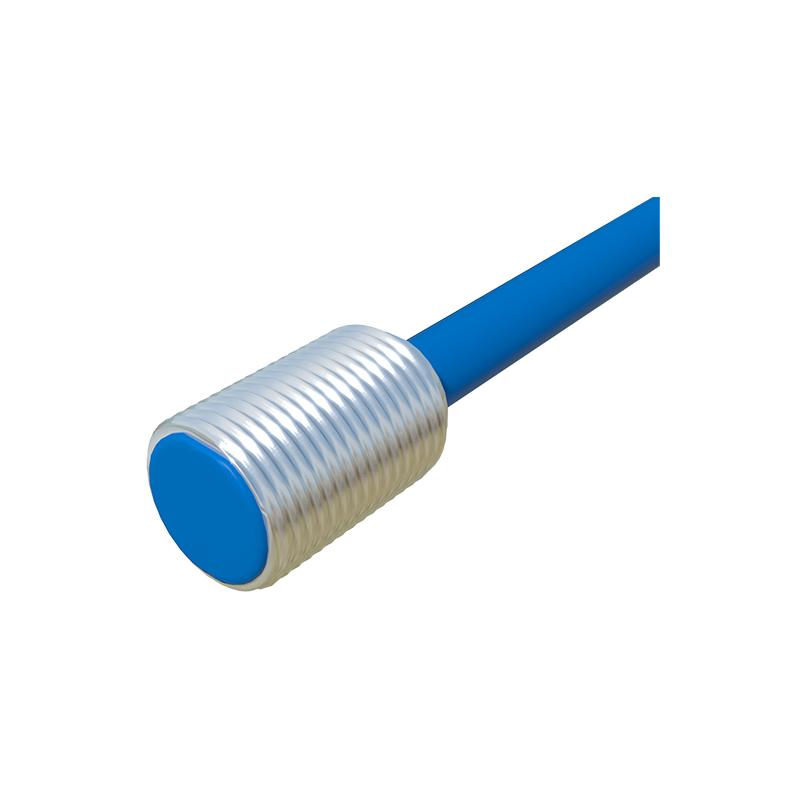
3. Door Zone Detection: They monitor the position of the car door and hoistway door, ensuring doors are fully closed and locked before the elevator initiates movement, and precisely reopened at a floor.
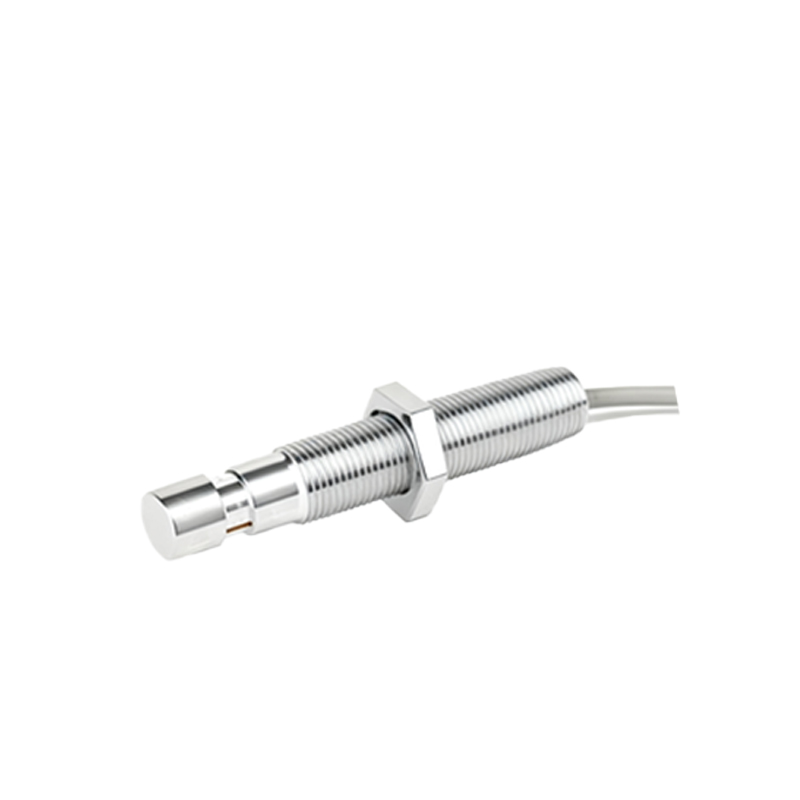
4. Speed Governor Monitoring: Integrated with the elevator's overspeed governor system, these sensors can detect the rotational speed of the governor sheave, providing critical data to activate safety brakes if permissible speeds are exceeded.
The advantages of using smoke rod type proximity sensors are significant. Their non-contact nature eliminates mechanical wear and tear, leading to exceptionally long service life and reduced maintenance. They offer high switching frequency and repeatability, enabling millisecond-precision responses crucial for modern elevator control systems. Being solid-state and typically housed in robust, IP67-rated enclosures, they are highly resistant to environmental contaminants like dust, oil mist, and moisture commonly found in elevator shafts.
Selecting the appropriate sensor requires careful consideration of several technical parameters:
Sensing Distance: The nominal range at which the sensor can reliably detect the target. This must be chosen based on the mechanical clearance and the required precision.
Target Material: Standard sensors are calibrated for mild steel. For stainless steel or aluminum targets, a correction factor must be applied, often requiring a sensor with a longer nominal range.
Output Type: PNP (sourcing) or NPN (sinking) transistor outputs are standard, and selection must match the input card specifications of the elevator's Programmable Logic Controller (PLC) or safety relay.
Electrical Connection: Choices include pre-wired cables or quick-disconnect connectors (e.g., M8, M12), impacting installation and serviceability.
Housing Material and Size: Brass, stainless steel, or PBT plastic housings are chosen based on required mechanical strength and chemical resistance. The slender rod diameter (e.g., 4mm, 6mm, 8mm) must fit the mounting location.
Environmental Ratings: Ingress Protection (IP) ratings (e.g., IP67) and temperature operating ranges are critical for reliable performance in the elevator shaft's variable conditions.
Installation and alignment are crucial for optimal performance. The sensor must be mounted securely to prevent vibration-induced misalignment. The sensing face should be positioned parallel to the target's plane of approach, maintaining a consistent air gap slightly less than the nominal sensing distance. Proper shielding and routing of cables are necessary to minimize electrical noise interference from motor drives and power lines, which could cause false triggering.
In conclusion, the smoke rod type proximity sensor is an indispensable component in the safety and control architecture of contemporary elevators. Its reliability, precision, and durability directly contribute to system uptime, passenger safety, and smooth operation. A thorough understanding of its working principles and a meticulous approach to selection and installation empower engineers and technicians to optimize elevator performance and uphold the highest industry safety standards. As elevator technology evolves towards smarter, more connected systems, the fundamental role of these robust and precise sensors remains securely in place.