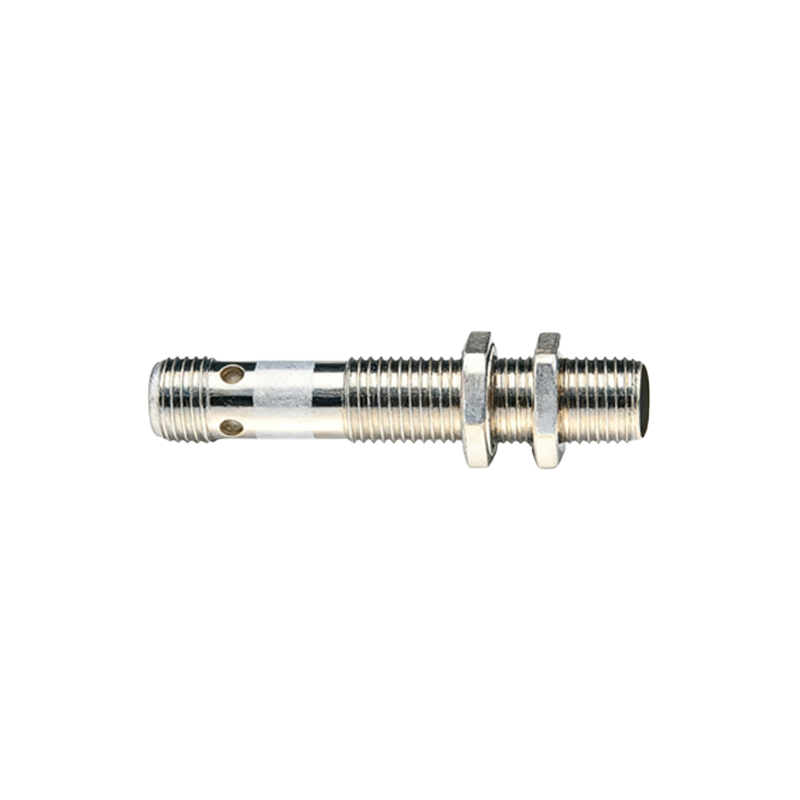
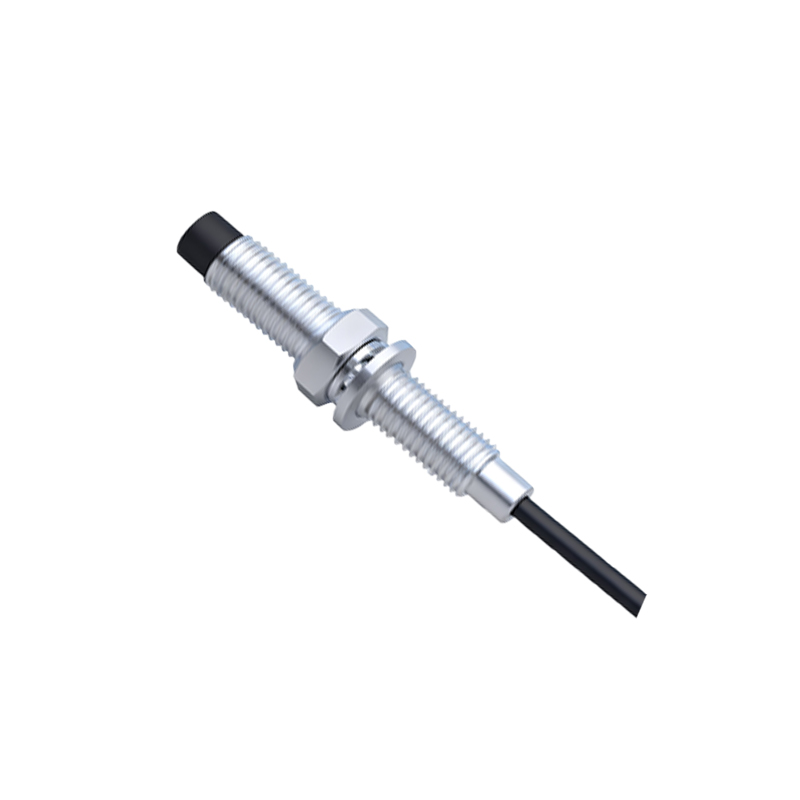
In the realm of industrial automation and control systems, miniature proximity sensors play a pivotal role in enabling precise, non-contact detection of objects. Their compact design allows for integration into tight spaces, making them indispensable for modern machinery. The naming conventions for these sensors, however, can often appear cryptic to those unfamiliar with the terminology. This article delves into the standard nomenclature, helping engineers and technicians decode the specifications and select the appropriate sensor for their applications.
Typically, a miniature proximity sensor's name comprises several key components that denote its characteristics. The first part often indicates the sensing technology employed. Common prefixes include "Inductive" for metal detection, "Capacitive" for both metallic and non-metallic materials, and "Ultrasonic" for distance measurement. For instance, an inductive sensor might start with "IN-" or simply be labeled as "Inductive Proximity Sensor." Following this, the model number usually encodes critical parameters such as sensing distance, output type, and housing style. Sensing distance, measured in millimeters, is a crucial factor; a sensor named "M8-2mm-NPN" specifies an 8mm diameter housing with a 2mm detection range and an NPN output configuration.
Output type is another vital element reflected in the name. NPN (sinking) and PNP (sourcing) outputs are standard, with some sensors offering analog (0-10V or 4-20mA) or IO-Link digital communication options. Terms like "NO" (Normally Open) or "NC" (Normally Closed) describe the switch's default state. Additionally, housing material and shape—such as cylindrical (e.g., M5, M8, M12 threads), rectangular, or flush-mounted—are often abbreviated. For example, "M12x1-5mm-PNP-NO" clarifies a cylindrical sensor with an M12 thread, 1mm pitch, 5mm range, PNP output, and normally open contact.
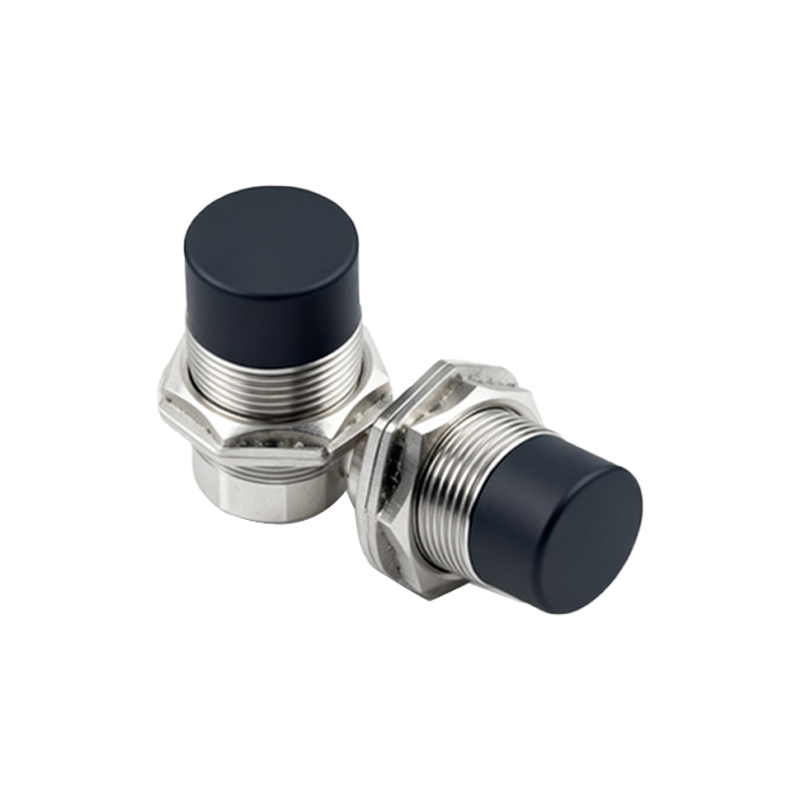
Environmental ratings like IP67 (Ingress Protection) for dust and water resistance may also be included, ensuring suitability for harsh conditions. Some manufacturers incorporate series names, like "E2E" for Omron or "XS" for Schneider Electric, which represent product families with consistent performance traits. Understanding these naming conventions streamlines procurement and maintenance, reducing downtime in automated systems. As technology advances, newer sensors may include smart features, with names adding suffixes like "-Smart" or "-IQ" to denote embedded diagnostics or connectivity.
In practice, engineers must cross-reference datasheets to confirm specifications, as naming can vary by brand. However, grasping the core structure—technology, size, range, output, and rating—empowers professionals to make informed decisions. Whether for packaging, robotics, or automotive assembly, selecting the right miniature proximity sensor hinges on decoding its name accurately, ensuring optimal system efficiency and reliability.