Proximity sensors have become indispensable components in the realm of industrial automation, offering non-contact detection of objects with high precision and reliability. These devices, which detect the presence or absence of an object within a specific range without physical contact, are pivotal in streamlining manufacturing processes, enhancing safety protocols, and optimizing operational efficiency. Their ability to function in harsh environments—amidst dust, moisture, and extreme temperatures—makes them particularly valuable across diverse sectors such as automotive, packaging, material handling, and robotics.
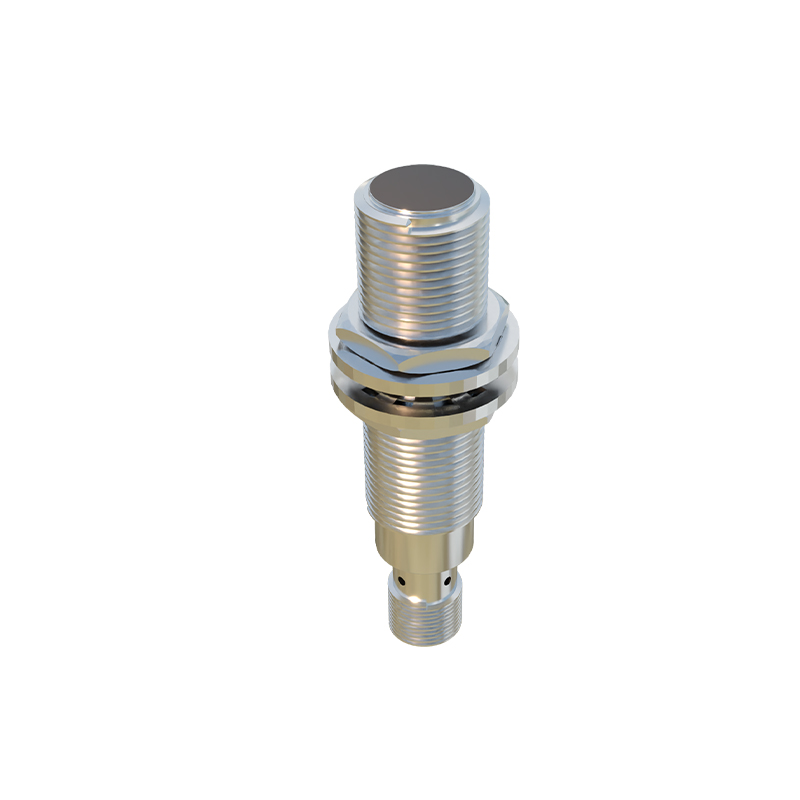
The operational principle of proximity sensors varies based on type, with inductive, capacitive, ultrasonic, and photoelectric sensors being the most prevalent. Inductive sensors, for instance, generate an electromagnetic field to detect metallic objects, making them ideal for metal detection in machinery. Capacitive sensors can detect both metallic and non-metallic materials by measuring changes in capacitance, useful in liquid level sensing or plastic object detection. Ultrasonic sensors use sound waves to gauge distance, excelling in applications requiring precise measurement, while photoelectric sensors employ light beams to identify objects, offering long-range detection capabilities.
In automotive manufacturing, proximity sensors are integral to assembly lines, where they monitor the position of components, verify part presence, and ensure robotic arms operate within safe parameters. This reduces downtime and prevents costly errors. In packaging industries, these sensors control filling levels, count products, and manage conveyor belt operations, ensuring consistent throughput. Moreover, in material handling systems, they facilitate automated sorting and positioning, enhancing logistics efficiency.
Safety is another critical domain where proximity sensors shine. They are employed in machinery guarding systems to detect human presence near hazardous equipment, triggering immediate shutdowns to prevent accidents. This aligns with global safety standards like ISO 13849, promoting a secure work environment. Additionally, in robotics, proximity sensors enable collaborative robots (cobots) to interact safely with human workers by sensing proximity and adjusting movements accordingly.
The integration of proximity sensors with Industrial Internet of Things (IIoT) platforms has further expanded their utility. By providing real-time data on machine performance and object detection, these sensors contribute to predictive maintenance strategies, reducing unexpected failures and extending equipment lifespan. Smart factories leverage this data to optimize production schedules and minimize waste, driving the Industry 4.0 revolution.
Despite their advantages, selecting the right proximity sensor requires careful consideration of factors such as detection range, environmental conditions, target material, and response time. For example, in high-vibration settings, robust sensors with sturdy housings are essential to maintain accuracy. Regular calibration and maintenance are also crucial to ensure long-term reliability.
Looking ahead, advancements in sensor technology are poised to enhance sensitivity, reduce size, and lower costs. Innovations like miniaturized sensors for compact spaces and energy-efficient models for sustainable operations are on the horizon. As industries continue to embrace automation, the role of proximity sensors will only grow, solidifying their status as key enablers of modern industrial ecosystems. In summary, proximity sensors are not merely components but strategic tools that drive productivity, safety, and innovation in today's fast-paced industrial landscape.