In modern industrial environments, fire safety is paramount, and the integration of advanced sensing technology has revolutionized traditional fire suppression methods. Proximity sensor-based fire suppression systems represent a significant leap forward, offering rapid, precise, and automated response to potential fire hazards. This article delves into the underlying principles, key components, and practical applications of these sophisticated systems.
At its core, a proximity sensor is a non-contact device that detects the presence or absence of an object within its sensing field without any physical contact. When adapted for fire detection and suppression, these sensors are not typically detecting the fire itself initially, but rather critical pre-fire conditions or the movement of suppression system components. The most common principle leveraged is inductive or capacitive sensing.
Inductive proximity sensors are ideal for metallic environments. They generate an electromagnetic field. When a metallic object—such as a moving part of a fire damper, a valve actuator, or a specialized target—enters this field, it induces eddy currents within the object. The sensor detects this change in the oscillation amplitude of its internal LC circuit, triggering a switching signal. In a suppression system, this can be used to confirm the correct positioning of a mechanical extinguisher release mechanism or to monitor the status of a fire door or shutter. For instance, a sensor can verify that a blast valve has fully opened to release inert gas into a protected enclosure.
Capacitive proximity sensors, on the other hand, can detect both metallic and non-metallic materials, including liquids, powders, and plastics. They function by generating an electrostatic field. Any object entering this field alters the capacitance of the sensor's circuit, prompting a state change. This capability is crucial for detecting the level of fire suppressant agents (like water, foam concentrate, or chemical agents) in storage tanks. A low-level detection can trigger an alarm for refill, ensuring system readiness. Furthermore, specialized capacitive sensors can be tuned to detect the presence of smoke particles or significant changes in air density caused by heat convection, acting as an early-warning component.
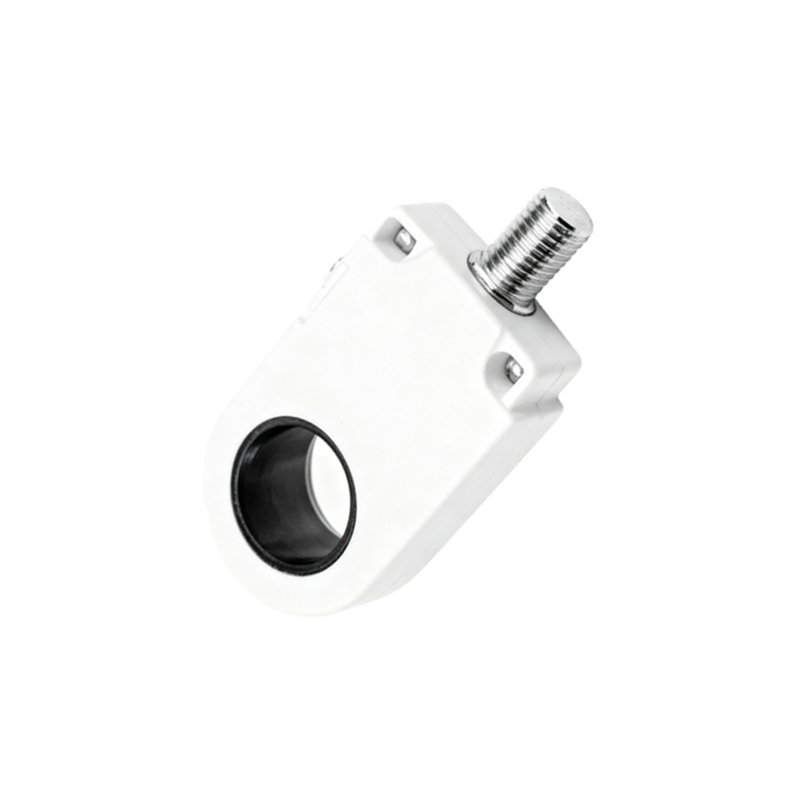
The true power of proximity sensors in fire suppression lies in their role within a larger control system. They act as the critical "confirmation" nodes. A traditional system might use a smoke or heat detector (optical, ionization, or thermal) as the primary fire identifier. Once the control panel receives an alarm signal from these primary detectors, it initiates the suppression sequence. Here, proximity sensors come into play to provide real-time feedback on the execution of the suppression action.
A typical sequence involves: 1) Fire detection by primary optical/thermal sensors. 2) Control panel activation, which may include sounding alarms, shutting down HVAC systems, and closing fire doors. 3) Activation of the suppression agent release (e.g., energizing a solenoid to open a valve). 4) Verification via Proximity Sensor: A sensor positioned at the valve or release mechanism confirms its physical movement to the "open" or "activated" position. This confirmation signal is sent back to the control panel, providing a positive indication that the suppression sequence has been executed correctly. Without this feedback, the system would only assume the action occurred, leaving a dangerous gap in operational certainty.
This principle is extensively applied in critical infrastructure. In server rooms and data centers protecting sensitive electronics, clean agent systems (e.g., using FM-200 or Novec 1230) are common. Proximity sensors ensure the discharge nozzles are correctly deployed and the agent tanks are properly connected and charged. In industrial kitchens protecting exhaust hoods and ducts, wet chemical systems utilize sensors to confirm the activation of the cartridge-operated appliance suppression mechanism and the opening of fuel shut-off valves.
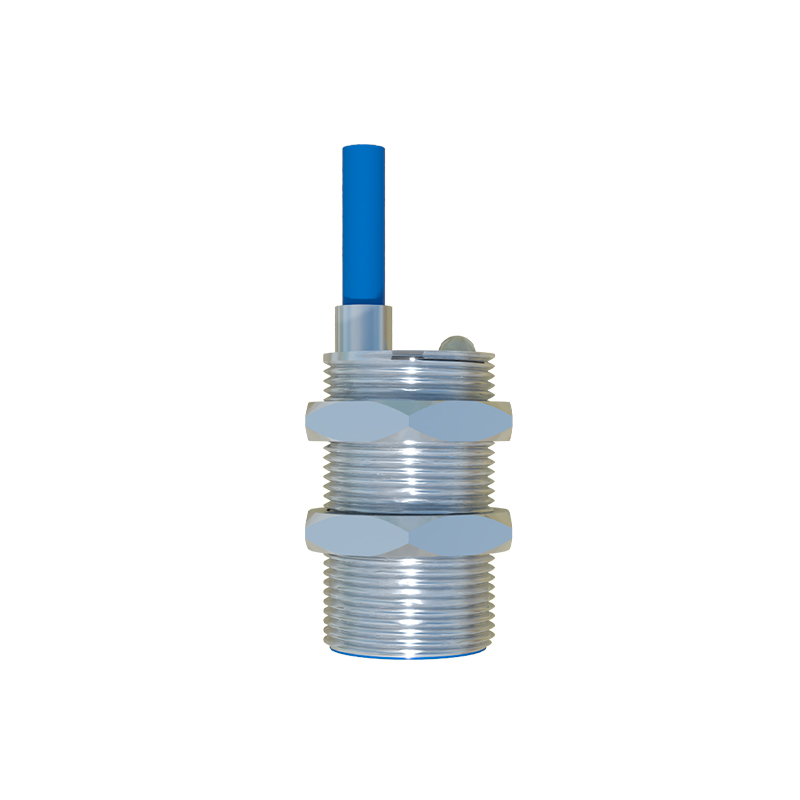
The advantages are clear: enhanced reliability, reduced false discharge risks, and precise system status monitoring. These sensors provide a binary, unambiguous signal—activated or not. They are immune to environmental factors like dust, light, or airflow that can sometimes affect optical flame detectors, making them robust components in harsh industrial settings like manufacturing plants, paint booths, or turbine enclosures.
Maintenance and testing are also streamlined. Technicians can use the sensor's feedback during routine inspections to verify the mechanical functionality of the entire suppression chain without necessarily performing a live discharge, saving time and resources while ensuring compliance with safety standards such as NFPA or FM Global.
In conclusion, proximity sensors are the unsung heroes in modern automated fire suppression, providing the crucial link between electronic detection and physical action. By offering reliable, real-time confirmation of mechanical operations, they transform a suppression system from a passive alarm into an active, verifiable, and highly reliable safety network. Their integration embodies the shift towards Industry 4.0 in fire protection, where data, feedback, and automated precision create safer working environments for personnel and protect valuable assets from catastrophic loss.