Proximity sensors are indispensable components in modern industrial automation, offering non-contact detection of objects without physical interaction. These sensors operate based on electromagnetic fields, capacitive effects, or inductive principles, making them ideal for harsh environments where dust, moisture, or mechanical wear could compromise traditional switches. In this article, we explore real-world application cases that highlight their versatility and efficiency across various industries.
One prominent application is in automotive manufacturing lines, where inductive proximity sensors detect metal parts during assembly processes. For instance, in engine block machining, sensors ensure precise positioning of components before welding or fastening, reducing errors and enhancing production speed. Their ability to withstand vibrations and high temperatures makes them reliable in such demanding settings. Another case involves packaging machinery, where capacitive sensors identify non-metallic materials like plastic or glass bottles on conveyor belts. By monitoring fill levels or detecting misaligned items, these sensors prevent jams and optimize throughput, contributing to significant cost savings.
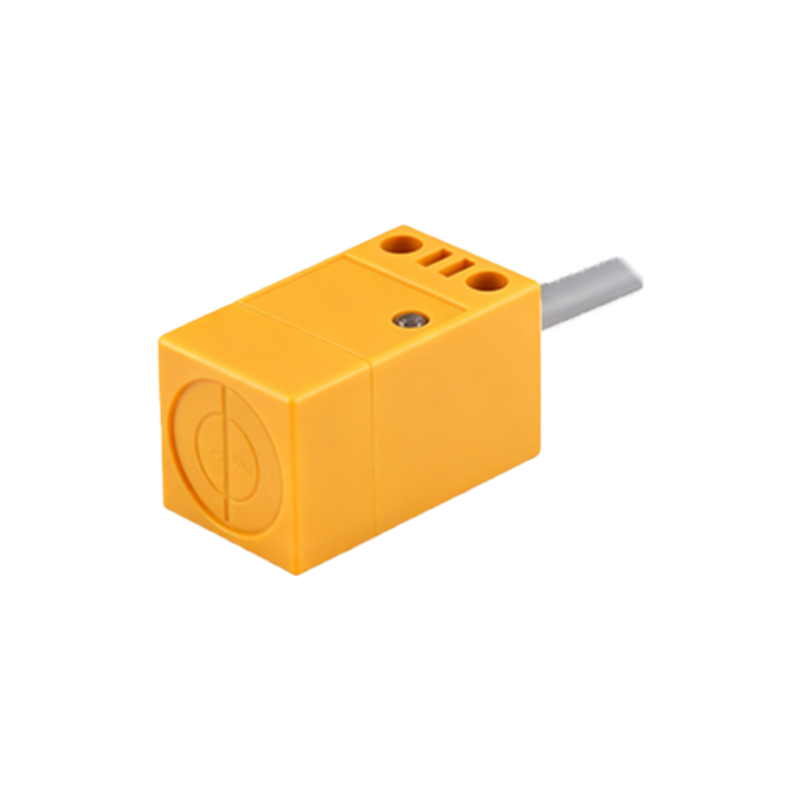
In the food and beverage sector, hygienic design is crucial. Here, stainless-steel housed proximity sensors with IP69K ratings are employed to resist frequent washdowns and corrosive substances. They monitor ingredient levels in silos or control valve positions in processing lines, ensuring compliance with safety standards while minimizing downtime. Similarly, in pharmaceutical production, sensors verify the presence of blister packs or vials, enabling automated quality checks without contamination risks.
Material handling systems also benefit from proximity sensors. In warehouse automation, sensors track pallet movements on AGVs (Automated Guided Vehicles), preventing collisions and streamlining logistics. For example, magnetic proximity sensors detect the position of lift gates or doors, enhancing operational safety. Additionally, in metalworking industries, sensors integrated into CNC machines tool changers confirm tool presence, reducing breakage and maintenance needs.
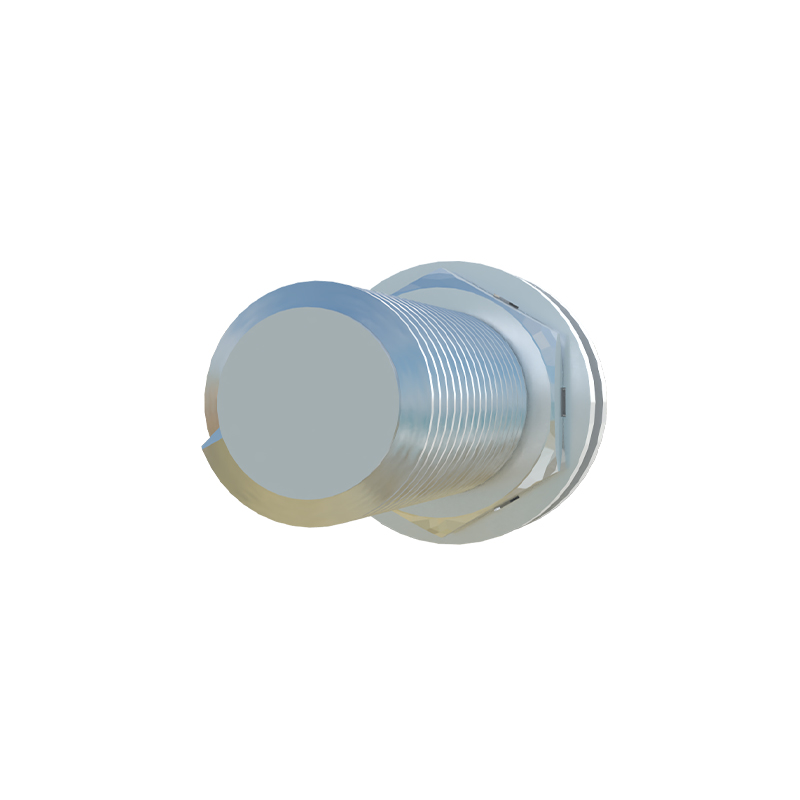
Aerospace applications demand high precision, where proximity sensors assist in landing gear monitoring or component alignment during assembly. Their fast response times and durability under extreme conditions ensure reliable performance in critical systems. Moreover, in renewable energy, sensors monitor wind turbine blade positions or solar panel orientations, optimizing energy capture and system longevity.
To maximize sensor effectiveness, engineers must consider factors like sensing range, material compatibility, and environmental resilience. Regular calibration and shielding from electromagnetic interference are essential for sustained accuracy. As Industry 4.0 evolves, smart proximity sensors with IoT connectivity are emerging, enabling predictive maintenance and data-driven insights. These advancements promise further efficiency gains, solidifying proximity sensors as cornerstones of industrial innovation.
In summary, proximity sensors drive automation by providing robust, contactless detection solutions. From automotive to aerospace, their adaptability to diverse challenges underscores their value in enhancing productivity, safety, and reliability. As technology progresses, their role will only expand, paving the way for smarter, more responsive industrial ecosystems.