In the realm of industrial automation and precision measurement, laser sensors have become indispensable tools due to their high accuracy, non-contact nature, and rapid response capabilities. A critical parameter that defines their performance in dynamic environments is the maximum frequency, often referred to as the sampling or response frequency. This metric determines how quickly a laser sensor can capture and process data, directly impacting its suitability for high-speed applications such as robotics, quality control, and motion detection.
The maximum frequency of a laser sensor is typically measured in Hertz (Hz) and indicates the number of measurements per second the device can perform. For instance, a sensor with a maximum frequency of 10 kHz can take 10,000 readings in one second. This capability is governed by several internal factors, including the laser source's modulation speed, the photodetector's response time, and the signal processing electronics. High-frequency sensors often utilize advanced components like fast photodiodes and dedicated microprocessors to minimize latency and enhance data throughput.
In practical terms, the maximum frequency influences the sensor's ability to track moving objects accurately. Consider a conveyor belt system where products are inspected for defects at high speeds. A laser sensor with a low maximum frequency might miss subtle variations or fail to capture data points consistently, leading to measurement errors. Conversely, a sensor operating at a higher frequency can provide dense data streams, enabling detailed analysis and reliable detection of even minute anomalies. This is particularly vital in industries like automotive manufacturing, where components are assembled with tight tolerances, and any deviation must be identified instantly to prevent downstream issues.
Environmental conditions also play a role in achieving optimal frequency performance. Factors such as ambient light interference, temperature fluctuations, and target surface properties (e.g., reflectivity or transparency) can affect the sensor's signal-to-noise ratio, potentially reducing effective sampling rates. Engineers must account for these variables during system integration, often employing shielding, filtering techniques, or calibration protocols to maintain frequency stability. For example, in outdoor applications like construction leveling, sensors may incorporate adaptive algorithms to compensate for changing light conditions without sacrificing measurement speed.
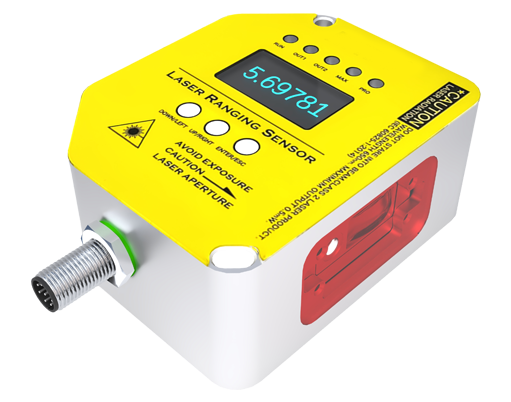
When selecting a laser sensor for a specific task, it's essential to balance maximum frequency with other parameters like resolution, range, and accuracy. A higher frequency doesn't always equate to better performance if the sensor lacks sufficient precision for the application. Additionally, data handling becomes crucial at elevated frequencies; systems must include robust interfaces (e.g., Ethernet, USB, or industrial buses) and software capable of processing large datasets in real-time. In robotics, for instance, sensors with frequencies exceeding 50 kHz are common for closed-loop control, ensuring rapid feedback that allows manipulators to adjust trajectories seamlessly during high-speed operations.
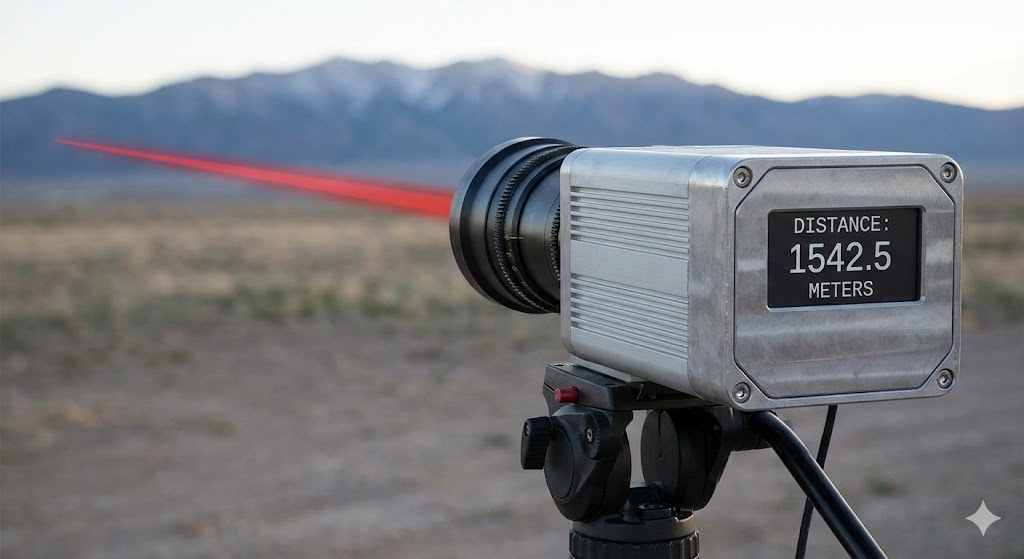
Advancements in laser technology continue to push the boundaries of maximum frequency. Emerging trends include the use of fiber lasers and ultrafast pulsed systems, which can achieve frequencies in the megahertz range for specialized applications like 3D scanning or scientific research. However, these high-end sensors often come with increased costs and complexity, requiring careful evaluation of return on investment. For most industrial settings, frequencies between 1 kHz and 100 kHz suffice, offering a sweet spot of speed and affordability.
In conclusion, the maximum frequency of a laser sensor is a pivotal specification that dictates its effectiveness in fast-paced environments. By understanding the underlying mechanisms and practical implications, engineers can make informed choices to optimize system performance, enhance productivity, and ensure reliable operation across diverse industries. Regular maintenance and firmware updates further help sustain frequency capabilities over time, aligning with the evolving demands of modern automation.