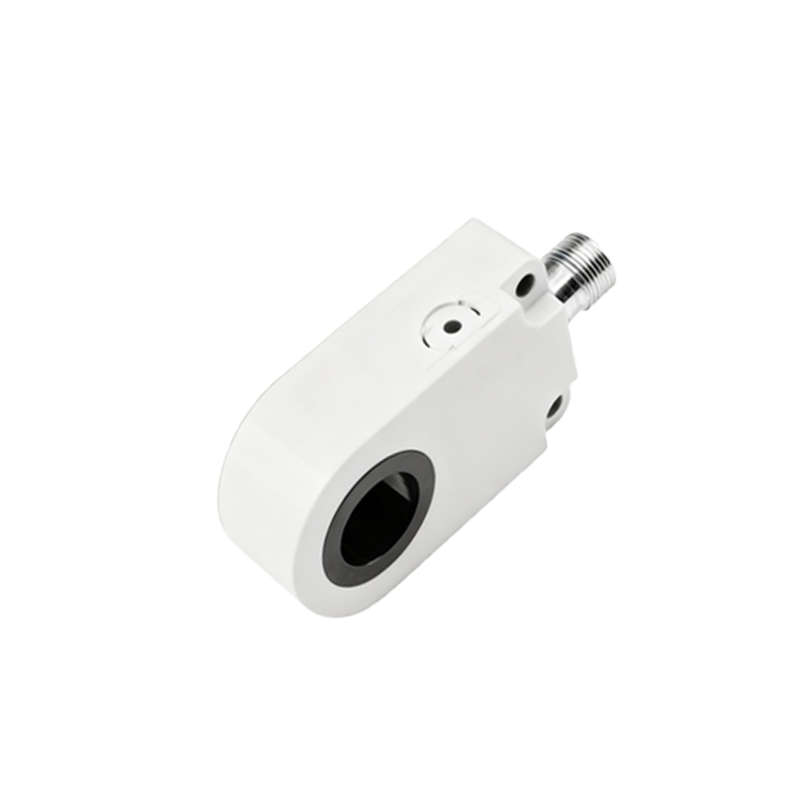
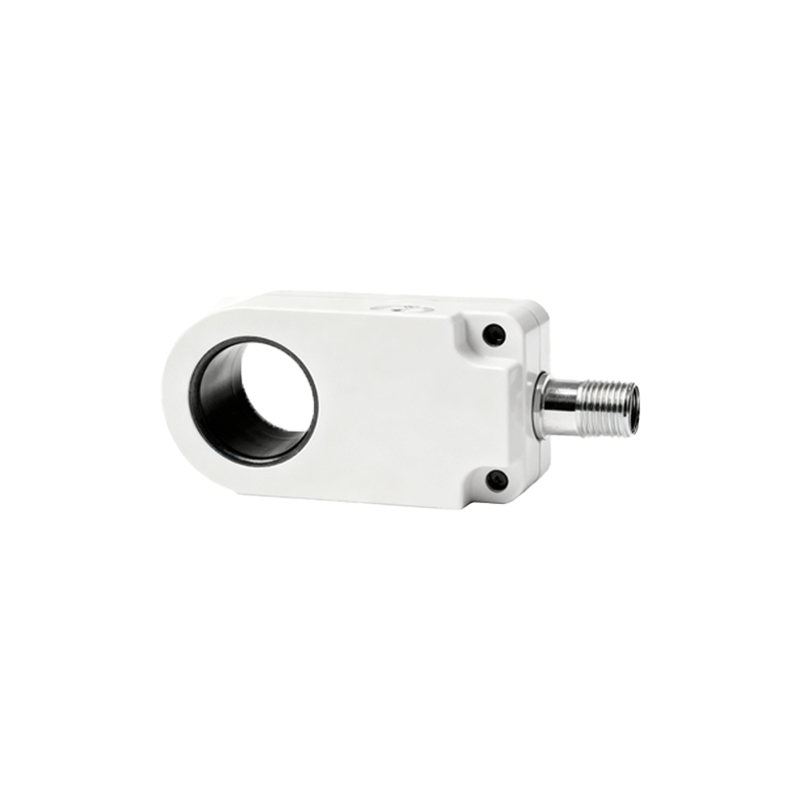
In the realm of industrial automation and control systems, proximity sensors are indispensable components, acting as the silent sentinels that detect the presence or absence of objects without physical contact. The choice of brand in this domain is not merely a matter of preference but a critical decision impacting reliability, precision, and long-term operational efficiency. This guide delves into the landscape of leading brand proximity sensors, examining their core technologies, typical applications, and key selection criteria.
The market is dominated by several established brands, each with its own heritage and technological strengths. Sick AG is a German powerhouse renowned for its high-precision and rugged sensors. Their portfolio is vast, covering inductive, capacitive, and photoelectric sensors, often featuring advanced diagnostics and IO-Link communication capabilities. Sick sensors are frequently the go-to choice in demanding environments like automotive manufacturing and material handling, where failure is not an option. Omron Corporation, a Japanese leader, offers an exceptionally diverse range. Known for innovation, Omron provides compact, high-performance sensors, including their renowned E2E inductive series and sophisticated background suppression photoelectric sensors. Their products are ubiquitous in electronics assembly, packaging, and semiconductor fabrication. Pepperl+Fuchs, another German specialist, is synonymous with intrinsic safety and explosion-proof sensors for hazardous areas. Their expertise in capacitive sensing for level detection and their robust inductive sensors make them a staple in chemical, pharmaceutical, and oil & gas industries. Balluff GmbH emphasizes connectivity and smart sensor solutions. A pioneer in IO-Link, Balluff offers sensors that provide not just a switching signal but a wealth of diagnostic and process data, facilitating predictive maintenance and Industry 4.0 integration. Their magnetic cylinder sensors and RFID systems are also highly regarded. Rockwell Automation (Allen-Bradley) provides sensors deeply integrated into their broader control ecosystem. For facilities standardized on Rockwell PLCs and networks, their proximity sensors, like the popular 871F series, offer seamless compatibility and simplified commissioning. IFM Electronic is celebrated for its user-friendly design and robust construction. Their sensors often feature clear diagnostic LEDs and are built to withstand harsh conditions, making them popular in food and beverage, mobile machinery, and general factory automation. Turck excels in offering versatile and rugged sensor solutions, including high-temperature variants and sensors with extended sensing ranges. Their multipurpose designs are valued in applications from conveyor systems to heavy machinery.
Beyond these global giants, numerous other reputable brands like Keyence (known for ultra-high precision and innovative solutions in inspection), Schneider Electric (Telemecanique Sensors), Banner Engineering, and Carlo Gavazzi hold significant market shares in specific niches or regions. The core technologies remain consistent across brands: Inductive sensors for detecting metals, Capacitive sensors for detecting both metallic and non-metallic materials (like liquids or plastics), Ultrasonic sensors for distance measurement and presence detection through sound waves, and Photoelectric sensors using light beams for long-range detection.
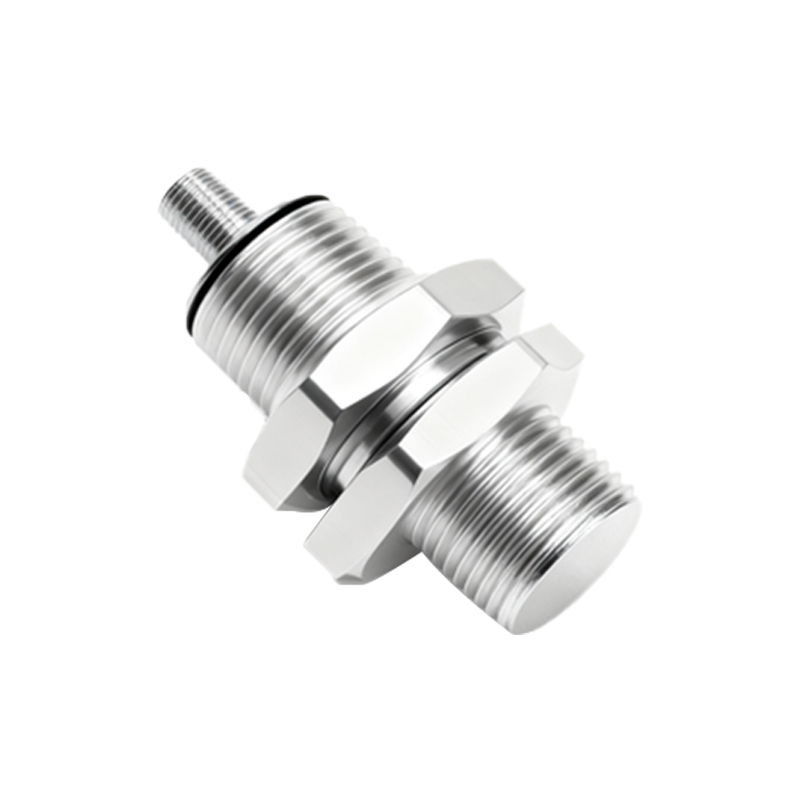
Selecting the right brand involves a multi-faceted analysis. First, assess the technical requirements: required sensing distance, target material, operating temperature range, switching frequency, and output type (PNP/NPN, analog, IO-Link). Second, consider the environmental factors: exposure to chemicals, washdown conditions (IP67/IP69K), mechanical shock, and potential explosive atmospheres (requiring ATEX or IECEx certification). Third, evaluate integration needs: compatibility with existing control architecture, networking capabilities, and the value of advanced diagnostics for your maintenance strategy. Finally, total cost of ownership (TCO) must be weighed. This includes not only the initial purchase price but also factors like installation ease, reliability (mean time between failures), availability of local technical support, and spare parts logistics.
In conclusion, the world of brand proximity sensors is rich and competitive. There is no single "best" brand universally; the optimal choice is dictated by the specific application's demands. For mission-critical safety applications in explosive zones, Pepperl+Fuchs might be paramount. For a smart factory initiative focused on data collection, Balluff's IO-Link sensors could be ideal. For general-purpose metal detection with a need for global availability and cost-effectiveness, Omron or Sick might lead the shortlist. A thorough evaluation of technical specifications, environmental challenges, and strategic operational goals is essential to leveraging the full potential of these sophisticated devices and ensuring a robust, efficient, and intelligent automation system.