In the realm of building automation and safety, laser sensors have emerged as a transformative technology, particularly in the context of staircases. These sophisticated devices, leveraging precise optical measurement principles, are redefining how we approach accessibility, energy efficiency, and hazard prevention in both residential and commercial structures. Unlike traditional motion detectors or pressure mats, laser sensors offer non-contact, high-accuracy detection capable of discerning the presence, movement, and even the gait of individuals on stairways.
The core operational principle involves emitting a focused beam of coherent light—typically from a laser diode—towards a target area on a step or the stairwell. The sensor then analyzes the reflected light. Time-of-flight (ToF) or phase-shift measurement techniques are commonly employed to calculate the exact distance to an object. When this measured distance changes, indicating an interruption in the beam's path, the sensor triggers a predefined action. This high precision allows for differentiation between a person, a fallen object, or even a pet, reducing false alarms significantly.
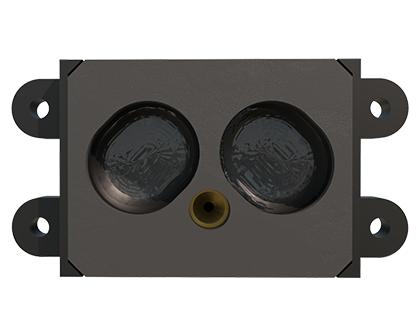
One of the most critical applications is in automated lighting systems. Staircases, often dimly lit, pose a significant fall risk. Laser sensor-integrated systems can detect approach and movement on stairs with exceptional reliability. Upon sensing a person at the base or top of a staircase, the system can instantly illuminate the entire flight or provide progressive, step-by-step lighting. This "light-on-demand" model not only enhances safety by eliminating dark spots but also contributes to substantial energy savings, as lights remain off when the area is unoccupied. The immediacy and accuracy of laser detection surpass passive infrared (PIR) sensors, which can be slower and less reliable in detecting slow or stationary individuals on stairs.
Beyond lighting, these sensors are integral to advanced fall detection and prevention systems, especially in care homes and public buildings. By strategically placing sensors along the stair rail or adjacent walls, the system can monitor for abnormal events. A sudden, rapid change in distance measurement—simulating a slip or fall—can trigger an immediate alert to building management or emergency services. Furthermore, some systems analyze movement patterns to identify unsafe behavior, such as running or skipping steps, and can issue audible warnings to promote cautious use.
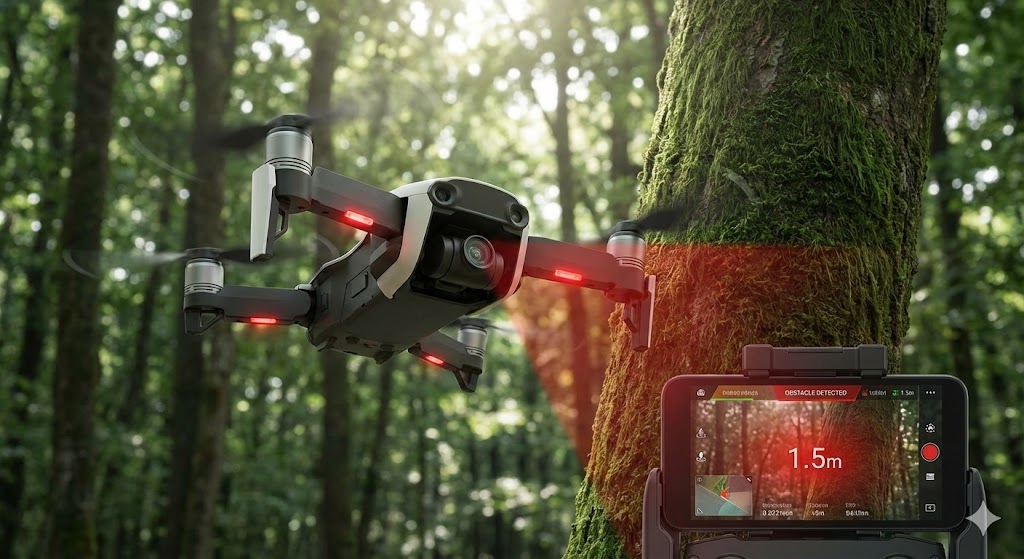
In the domain of smart building integration, laser sensors on stairs provide valuable data for building management systems (BMS). They facilitate people counting, monitoring peak usage times, and optimizing climate control in the stairwell area based on actual occupancy rather than schedules. This data-driven approach enhances operational efficiency. For accessibility, laser sensors can automatically open doors at stairwell entrances or control the speed of stairlifts by detecting the precise position of the user.
Installation and calibration are paramount for optimal performance. Engineers must consider factors such as the sensor's field of view, range, alignment, and potential interference from ambient light or highly reflective surfaces. Modern laser sensors for stair applications are designed to be robust, with IP ratings for dust and moisture resistance, ensuring longevity in various environments. They are typically powered by low-voltage systems and can be seamlessly integrated with existing building wiring and IoT platforms.
The future trajectory points toward even greater intelligence. The integration of laser sensing with AI and machine learning algorithms will enable predictive analytics. Systems could learn typical usage patterns and identify anomalies with greater precision, potentially predicting congestion or hazardous conditions before they occur. Furthermore, miniaturization and cost reduction will make this technology more accessible for standard residential retrofits.
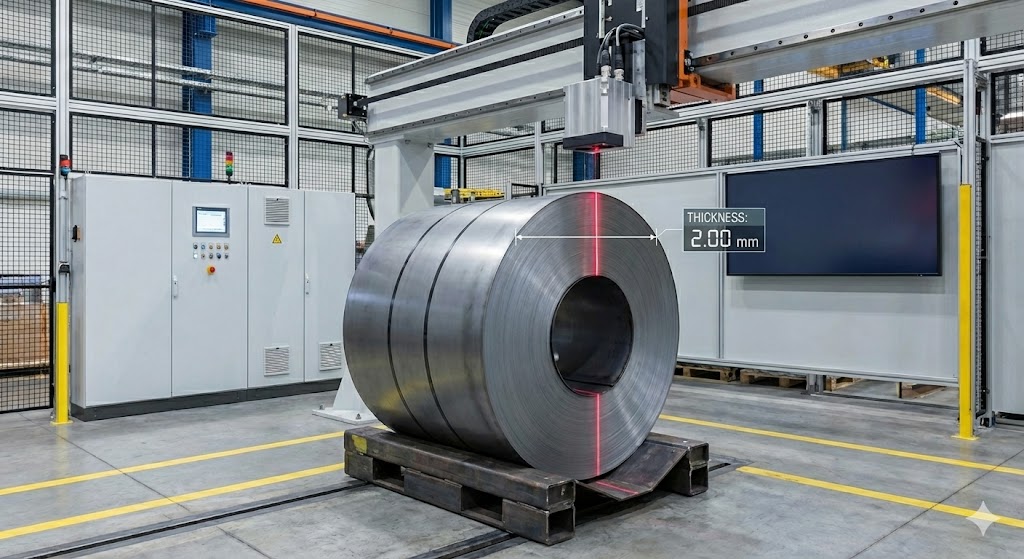
In conclusion, the deployment of laser sensor technology on staircases is a clear indicator of the shift toward proactive, intelligent building management. By providing reliable, non-intrusive, and precise detection, these systems address fundamental safety concerns while delivering tangible benefits in energy conservation and operational intelligence. For electrical engineers and building designers, specifying and integrating laser-based stair solutions is no longer a niche consideration but a best practice for creating safer, smarter, and more sustainable built environments.