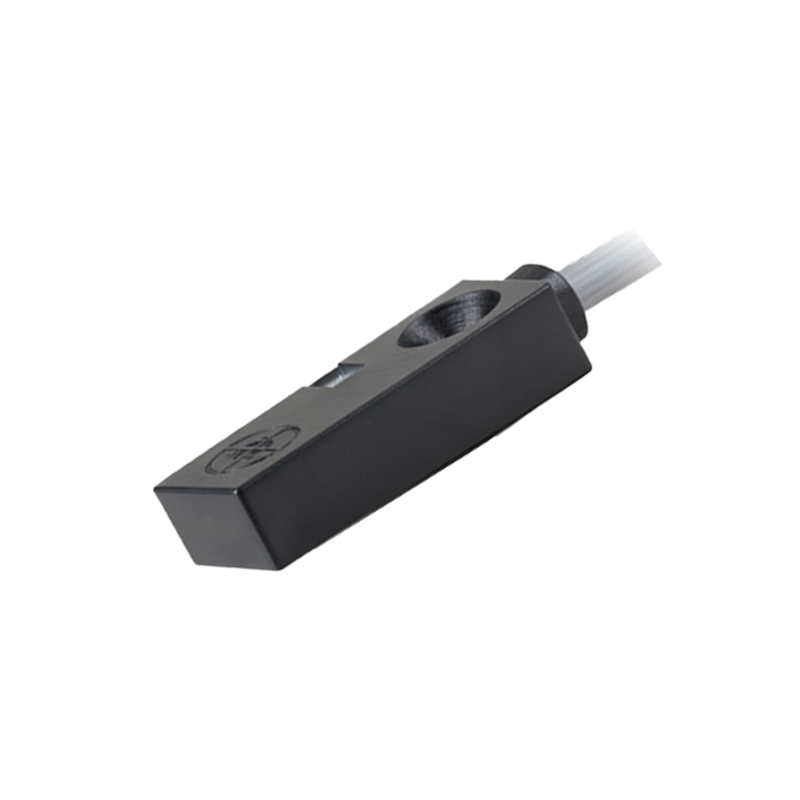
In the rapidly evolving landscape of industrial automation, proximity sensing technology stands as a cornerstone of efficiency and safety. Proximity sensors, which detect the presence or absence of objects without physical contact, have become indispensable across manufacturing, automotive, robotics, and logistics sectors. Leading companies in this field continuously push the boundaries of innovation, developing sensors that offer higher precision, durability, and adaptability to harsh environments.
One of the key advancements in proximity sensing is the integration of IoT capabilities. Modern sensors can now transmit real-time data to centralized systems, enabling predictive maintenance and reducing downtime. For instance, inductive sensors are widely used for metal detection in assembly lines, while capacitive sensors excel in detecting non-metallic materials such as plastics or liquids. Photoelectric sensors, leveraging light beams, provide long-range detection suitable for packaging and material handling.
The design and engineering of these sensors focus on resilience. Many industrial-grade proximity sensors are built to withstand extreme temperatures, vibrations, and exposure to chemicals or dust. This robustness ensures reliable performance in demanding applications like automotive welding or food processing plants, where hygiene and accuracy are paramount.
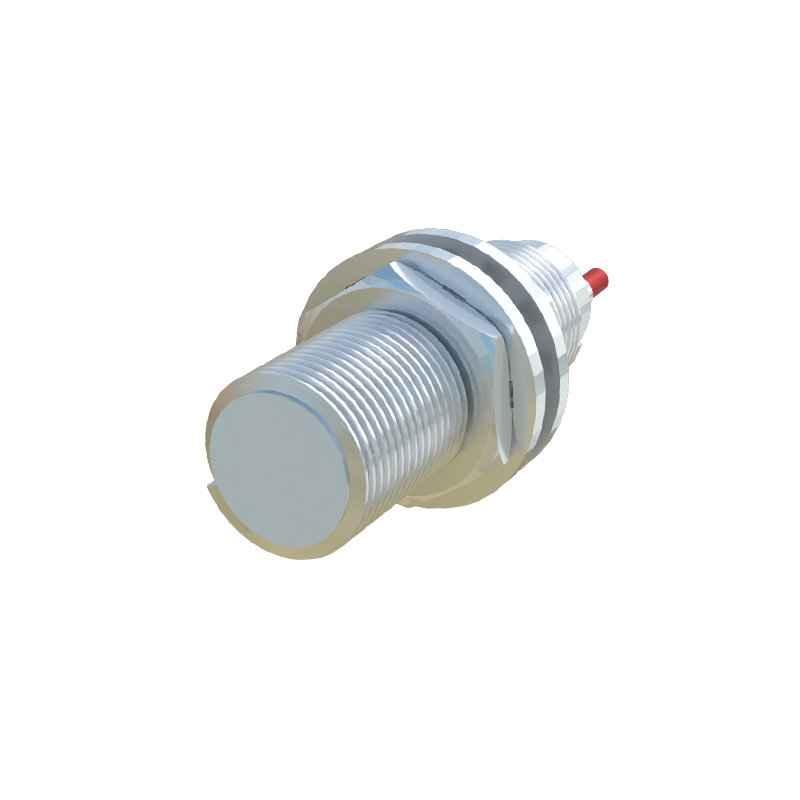
Companies specializing in proximity sensing often emphasize customization. Tailored solutions address specific client needs, such as miniaturized sensors for compact machinery or high-speed sensors for rapid production lines. Collaboration with clients during the development phase ensures that sensors integrate seamlessly into existing systems, enhancing overall operational flow.
Moreover, the shift towards smart factories has accelerated the adoption of advanced sensing technologies. Proximity sensors now often incorporate features like self-diagnosis and wireless connectivity, contributing to the Industrial Internet of Things (IIoT) ecosystem. This connectivity allows for remote monitoring and control, empowering businesses to optimize processes and reduce energy consumption.
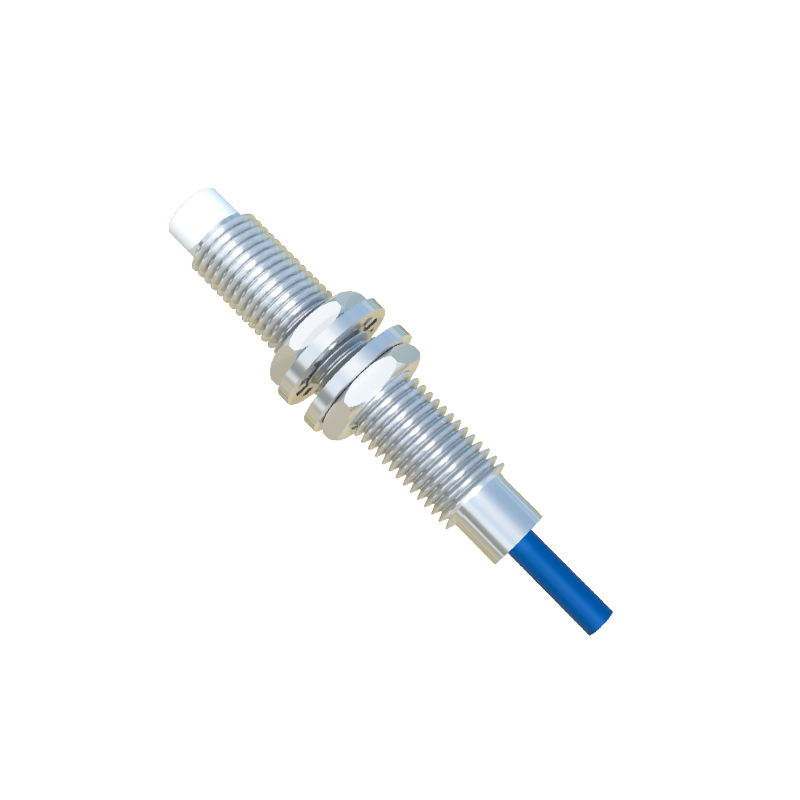
Environmental sustainability is another growing focus. Manufacturers are developing energy-efficient sensors with longer lifespans, minimizing electronic waste. Additionally, the use of recyclable materials in sensor construction aligns with global green initiatives, appealing to eco-conscious industries.
In conclusion, proximity sensing companies play a vital role in driving industrial innovation. By combining cutting-edge technology with practical applications, they enable safer, more efficient, and sustainable operations. As automation continues to expand, the demand for sophisticated proximity sensors will only grow, solidifying their position as essential components in modern engineering.