In the realm of industrial automation, proximity position sensors play a pivotal role in ensuring precision, safety, and efficiency. These devices detect the presence or absence of objects without physical contact, making them indispensable in environments where reliability is paramount. Customizing proximity sensors to meet specific application requirements is not just an option but a necessity for many industries, including manufacturing, automotive, aerospace, and robotics. This article delves into the key considerations, benefits, and processes involved in tailoring proximity position sensors to unique operational needs.
Proximity sensors operate on various principles, such as inductive, capacitive, ultrasonic, and magnetic technologies. Inductive sensors, for instance, are ideal for detecting metallic objects, while capacitive sensors can sense both metallic and non-metallic materials. Ultrasonic sensors use sound waves for distance measurement, and magnetic sensors rely on magnetic fields. The choice of technology depends on factors like target material, sensing range, environmental conditions, and required accuracy. Customization begins with a thorough analysis of these parameters to select the most suitable sensor type.
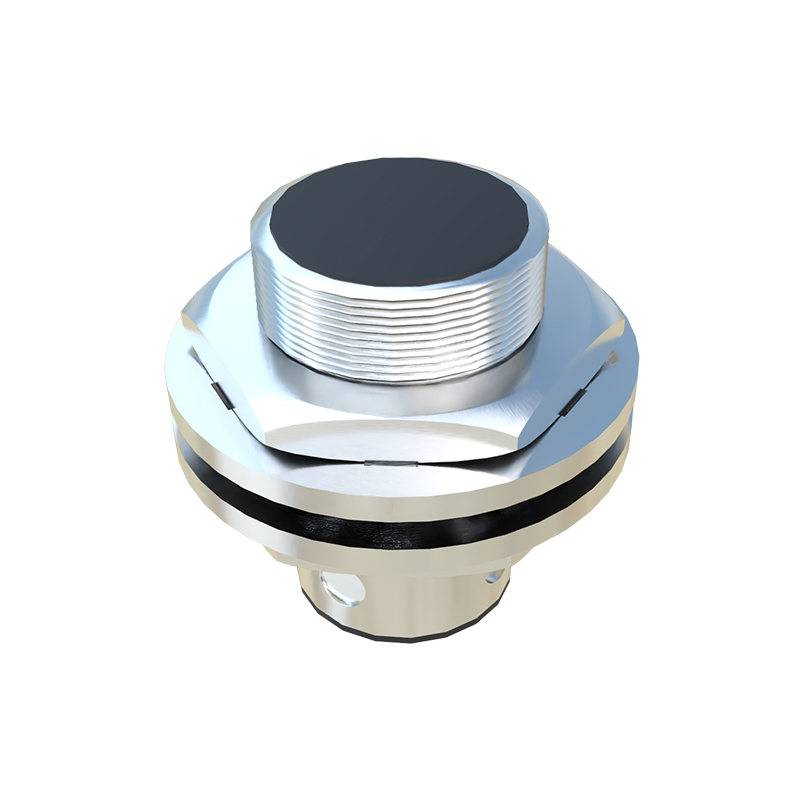
One of the primary reasons for customizing proximity sensors is to address specific environmental challenges. Industrial settings often involve extreme temperatures, humidity, dust, vibrations, or corrosive substances. Off-the-shelf sensors may not withstand such harsh conditions, leading to frequent failures and downtime. Custom-designed sensors can be equipped with robust housings, specialized coatings, and enhanced sealing to ensure durability. For example, in automotive assembly lines, sensors might need to resist oil splashes and high temperatures, while in food processing plants, they must be easy to clean and comply with hygiene standards.
Another critical aspect of customization is the sensing range and output configuration. Standard sensors typically offer fixed ranges, but applications may require non-standard detection distances or multiple sensing points. Custom sensors can be engineered with adjustable or extended ranges to accommodate unique spatial constraints. Additionally, output signals—such as analog voltage, current, or digital protocols like IO-Link—can be tailored to integrate seamlessly with existing control systems. This flexibility enhances compatibility and reduces the need for additional interface modules, streamlining installation and maintenance.
Size and form factor are also significant considerations. In compact machinery or confined spaces, standard sensor dimensions might not fit. Custom sensors can be designed with miniaturized components or unconventional shapes to meet spatial limitations without compromising performance. For instance, in robotic arms or medical devices, slim-profile sensors enable precise positioning without interfering with movement. Moreover, mounting options—such as threaded barrels, brackets, or flush-mount designs—can be adapted to simplify integration and ensure secure attachment.
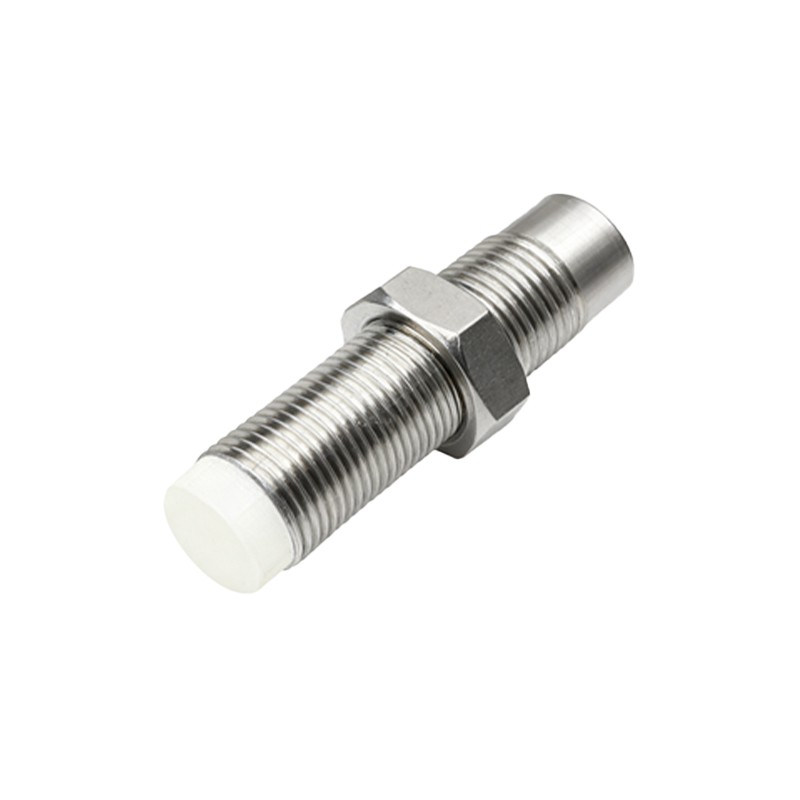
The electrical characteristics of proximity sensors, including power supply requirements and response time, often require customization. Some applications demand low-power sensors for energy efficiency or battery-operated systems, while others need high-speed response for rapid detection in fast-paced production lines. Custom sensors can be optimized for specific voltage levels, current consumption, and switching frequencies. This optimization not only improves performance but also extends the sensor’s lifespan by preventing electrical stress or overheating.
Collaboration with experienced sensor manufacturers is essential for successful customization. The process typically involves several stages: requirement analysis, prototyping, testing, and production. Engineers work closely with clients to define specifications, such as sensing distance, material compatibility, environmental ratings, and communication protocols. Prototypes are then developed and subjected to rigorous testing in simulated or real-world conditions. Feedback from testing phases allows for refinements before final production, ensuring that the custom sensor meets all operational demands.
Beyond technical specifications, customization can also address cost-effectiveness. While custom sensors may have higher upfront costs compared to standard models, they often lead to long-term savings by reducing maintenance, downtime, and replacement expenses. Tailored sensors are less prone to failures and can optimize process efficiency, contributing to overall productivity gains. Additionally, bulk orders for custom designs can lower per-unit costs, making them a viable investment for large-scale operations.
In conclusion, customizing proximity position sensors is a strategic approach to overcoming industrial challenges and enhancing system performance. By focusing on technology selection, environmental resilience, sensing parameters, form factors, and electrical traits, businesses can achieve reliable and efficient automation solutions. As industries evolve toward smarter and more connected systems, the demand for bespoke sensors will continue to grow, driving innovation in sensor design and application. Whether for precision measurement, safety interlocks, or object detection, custom proximity sensors offer the adaptability needed to thrive in dynamic industrial landscapes.