In the rapidly evolving landscape of industrial automation, precision sensing technology is paramount. Among the various sensor types, Laser GTR (Gap, Thickness, and Range) sensors have emerged as a critical tool for non-contact measurement and inspection. This article delves into the operational principles, key applications, and essential selection factors for these sophisticated devices, providing a comprehensive guide for engineers and system integrators.
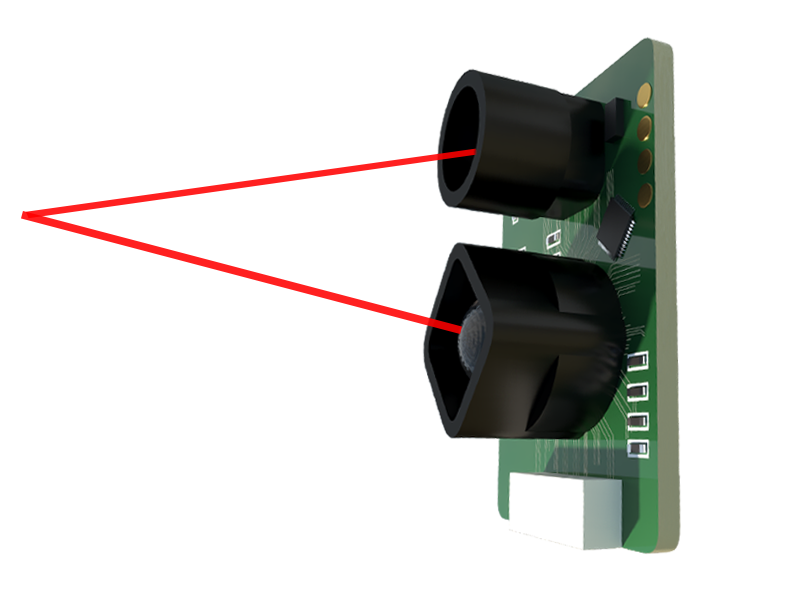
At its core, a Laser GTR sensor operates on the principle of optical triangulation. The sensor emits a focused, coherent laser beam onto a target surface. The reflected light is then captured by a receiving element, typically a position-sensitive detector (PSD) or a CMOS/CCD array. By analyzing the position of the reflected light spot on the detector, the sensor's internal processor can calculate the distance to the target with high accuracy. This fundamental principle allows for the precise measurement of gap widths, material thickness, and object range without physical contact, eliminating the risk of damage to both the sensor and the target.
The "Gap" functionality is crucial in assembly line applications, such as verifying the precise spacing between components in electronic devices or automotive parts. Even minute deviations can lead to product failure or performance issues. "Thickness" measurement is indispensable in continuous production processes like rolling mills for metals or extrusion lines for plastics and rubber. Here, Laser GTR sensors provide real-time, closed-loop control to maintain consistent product quality. The "Range" capability is widely used for object detection, level monitoring in silos, and robot guidance, ensuring accurate positioning in dynamic environments.
Several key specifications define the performance of a Laser GTR sensor. Resolution, often in the micron range, determines the smallest detectable change in distance. Measurement range specifies the minimum and maximum distances over which the sensor can operate accurately. The spot size of the laser beam affects measurement precision, especially on rough or textured surfaces. Response time is critical for high-speed production lines, and environmental ratings (like IP67 for dust and water resistance) ensure reliability in harsh industrial settings. Furthermore, the type of output signal—analog (4-20 mA, 0-10 V), digital (RS-232, RS-485), or industrial Ethernet protocols (EtherNet/IP, PROFINET)—determines its integration capability with PLCs and control systems.
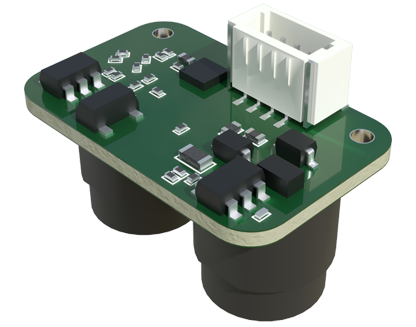
Selecting the appropriate Laser GTR sensor requires a careful analysis of the application. Engineers must consider the target material's properties, such as color, reflectivity, and surface texture. A highly reflective or transparent surface may require a sensor with automatic gain control or specialized filters. Ambient light conditions and potential optical interference from other equipment must also be evaluated. For applications involving varying target colors or materials, sensors with background suppression or true background suppression technology are advantageous.
In practice, Laser GTR sensors are deployed across diverse industries. In automotive manufacturing, they ensure precise gap and flush measurements between body panels. In the semiconductor industry, they verify wafer thickness and chip placement. Packaging lines utilize them to check fill levels and seal integrity. Their non-contact nature makes them ideal for measuring hot, soft, or delicate materials that would be compromised by tactile probes.
Looking ahead, advancements in laser diode technology and embedded signal processing are driving the development of smarter, more compact, and more robust Laser GTR sensors. Integration with IIoT (Industrial Internet of Things) platforms enables predictive maintenance and data analytics, transforming raw measurement data into actionable insights for optimizing entire production processes.
For any engineering team, understanding the capabilities and limitations of Laser GTR sensors is essential for designing efficient, reliable, and high-quality automated systems. Proper selection, installation, and calibration are the final steps to unlocking their full potential, ensuring they deliver the precision and stability demanded by modern industry.