Proximity sensors are critical components in industrial automation, automotive systems, and consumer electronics, detecting the presence or absence of objects without physical contact. When these sensors malfunction, it can lead to operational downtime, safety risks, or system failures. Understanding common issues and repair methods can help restore functionality efficiently. This guide covers practical steps for diagnosing and repairing inductive, capacitive, and optical proximity sensors.
First, identify the symptoms. A failing sensor may exhibit inconsistent detection, no output signal, or intermittent operation. Start with a visual inspection for physical damage, such as cracks, corrosion, or loose wiring. Environmental factors like dust, moisture, or temperature extremes often contribute to sensor degradation. Clean the sensor face with a soft cloth and isopropyl alcohol to remove contaminants that could interfere with detection.
Electrical testing is essential. Use a multimeter to check the power supply voltage at the sensor terminals, ensuring it matches the manufacturer’s specifications (commonly 10-30V DC for industrial sensors). Verify the output signal by measuring voltage or current in response to a target object. For a normally open (NO) sensor, the output should switch from low to high when an object is within range. If the signal is absent or erratic, the internal circuitry may be faulty.
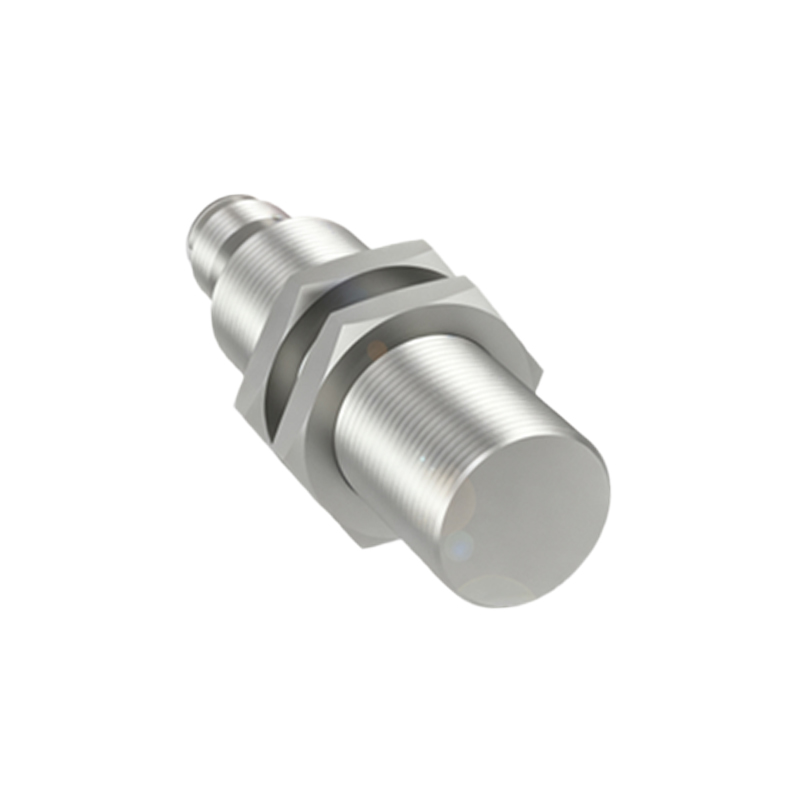
For inductive sensors, which detect metallic objects, ensure the target material and distance are within rated limits. Test with different metals if detection is weak—some sensors are calibrated for specific materials like steel or aluminum. Adjust the sensing distance if the sensor allows potentiometer tuning. If problems persist, the oscillator coil or amplifier circuit might require replacement. Capacitive sensors, used for non-metallic materials, are sensitive to environmental changes. Recalibrate by adjusting the sensitivity setting while presenting a standard target. Shield the sensor from stray capacitance caused by nearby objects or humidity.
Optical proximity sensors, including infrared and laser types, rely on clear lenses and aligned emitters. Dirt on the lens is a common culprit—clean it carefully with a lens-safe solution. Check the alignment between transmitter and receiver units, as misalignment can cause false triggers. Use an oscilloscope to examine the pulse signal if available; a distorted waveform may indicate LED or phototransistor failure.
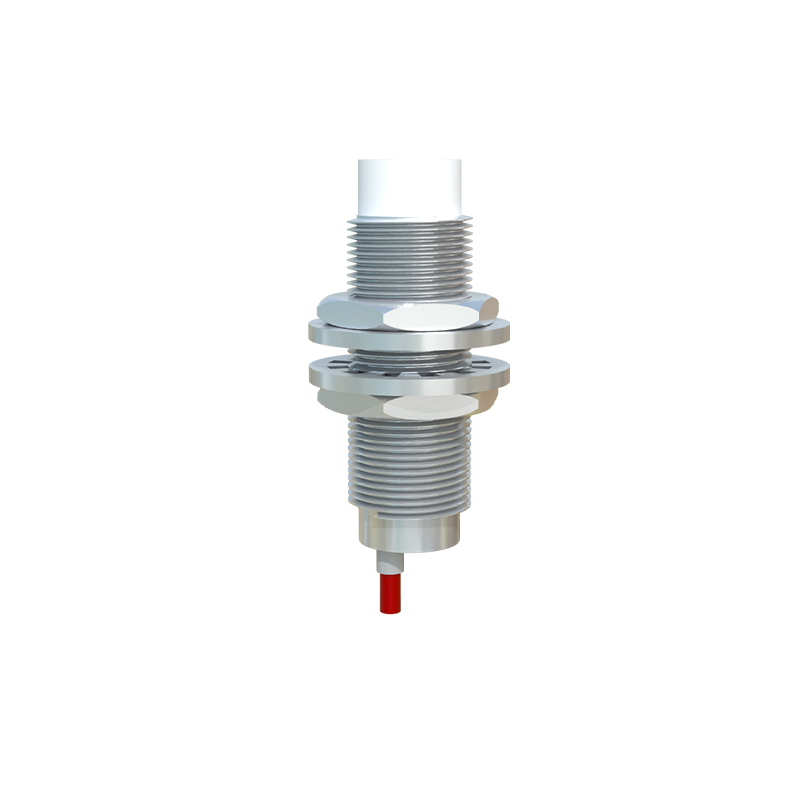
Internal repairs demand caution. If external fixes fail, disassemble the sensor housing following the manufacturer’s guidelines. Inspect printed circuit boards (PCBs) for burnt components, cold solder joints, or damaged traces. Replace blown fuses, faulty transistors, or worn-out relays with identical-rated parts. In many cases, especially with sealed or miniaturized sensors, component-level repair may not be feasible—consider replacing the entire unit for cost-effectiveness and reliability.
Preventive maintenance extends sensor life. Regularly clean and inspect sensors in harsh environments. Use protective housings or coatings for resistance to chemicals, vibration, or impact. Document calibration settings and keep spares for critical applications. When sourcing replacements, match technical parameters like sensing range, output type (PNP/NPN), and housing material.
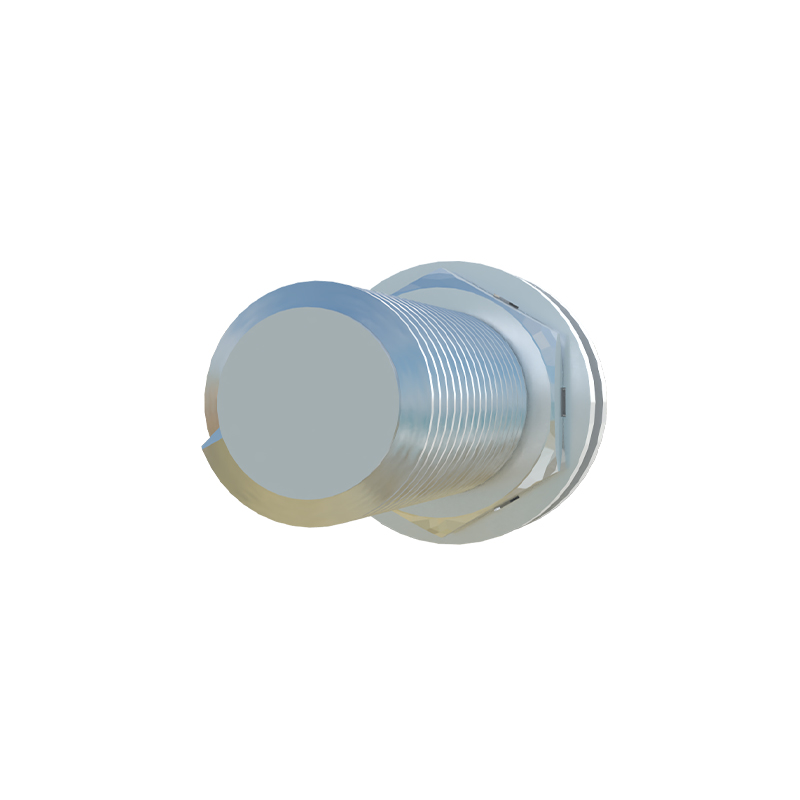
While professional repair services are recommended for complex or high-risk systems, basic troubleshooting can resolve up to 70% of common sensor issues. Always prioritize safety: disconnect power before handling electrical connections, and follow industry standards such as IEC 60947-5-2 for sensor performance. By combining systematic diagnostics with proactive care, you can minimize downtime and ensure consistent operation of proximity sensing systems.