In industrial environments where flammable gases, vapors, or combustible dusts are present, safety is not just a priority—it's an absolute necessity. This is where explosion proof proximity sensors come into play. But the question often arises: are they actually good? The answer is a resounding yes, but with important nuances that define their value, application, and overall effectiveness.
First, let's clarify what makes a sensor "explosion proof." This term refers to a housing designed and certified to contain an internal explosion without allowing it to ignite the surrounding hazardous atmosphere. These sensors are built to rigorous international standards, such as ATEX in Europe, IECEx globally, or NEC/CEC in North America. They are not merely "rugged" sensors; they are engineered safety devices. Their primary goodness lies in their fundamental purpose: enabling automation and control in hazardous areas while preventing catastrophic ignition events. Without them, processes in industries like oil and gas, chemical manufacturing, pharmaceuticals, grain handling, and paint spraying would be far riskier, if not impossible, to automate.
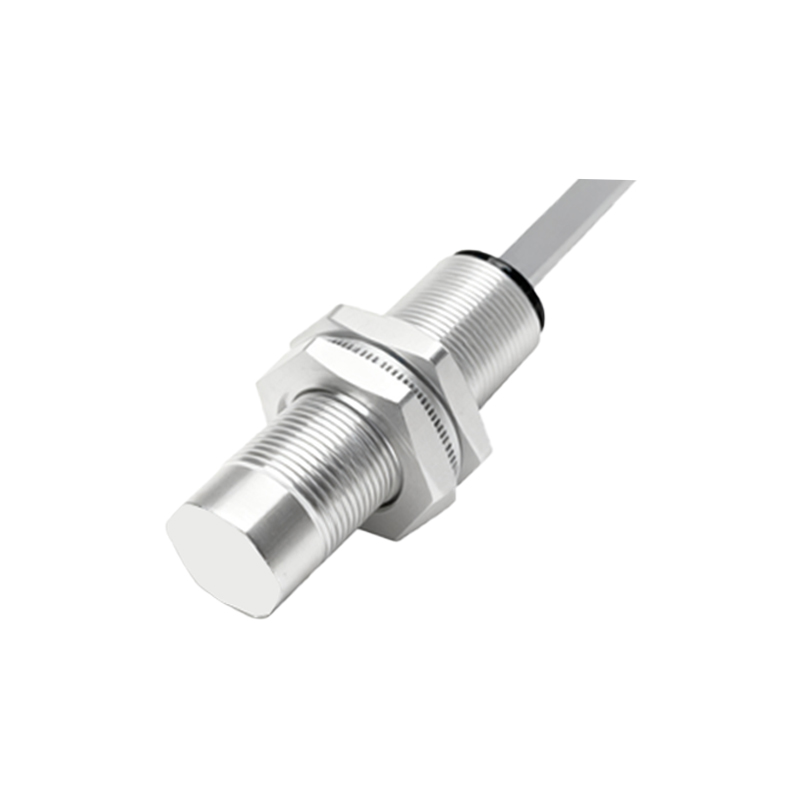
The advantages of using high-quality explosion proof proximity sensors are substantial. The most critical benefit is enhanced safety. By reliably detecting the presence or absence of objects (like valves, machine parts, or products) without sparking, they form a vital layer of protection for personnel, infrastructure, and the environment. This directly translates to regulatory compliance. Operating in classified hazardous zones without appropriately certified equipment is illegal in most jurisdictions and poses unacceptable liability. Furthermore, these sensors contribute to increased operational reliability. They are typically constructed from robust materials like stainless steel or brass with high-grade sealing, making them resistant to not just explosions but also to moisture, chemicals, and physical impacts. This durability leads to reduced downtime and maintenance costs in harsh conditions, offering a strong return on investment over time.
However, to declare them universally "good," one must consider the context. Their performance is contingent on correct selection and installation. A sensor is only as good as its suitability for the specific hazard. Using a sensor certified only for dust in an environment with flammable gases is ineffective and dangerous. Key selection criteria include the correct Zone classification (Zone 0/1/2 for gases, Zone 20/21/22 for dust), the Temperature Class (which ensures the sensor's surface won't become an ignition source), and the suitable sensing technology (inductive, capacitive, or ultrasonic) for the target material.
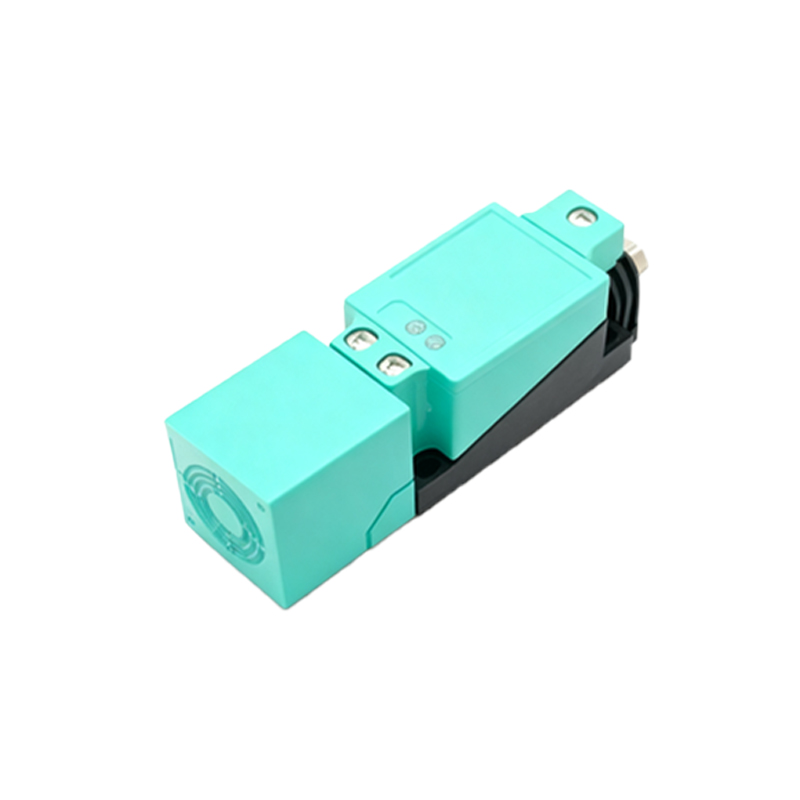
Installation and maintenance practices are equally crucial. Proper grounding, using certified cable glands, and adhering to torque specifications on enclosures are non-negotiable for maintaining the integrity of the explosion proof seal. Regular inspection for damage to the housing or glass sensing face is essential. Neglecting these aspects can compromise the very safety the sensor is meant to provide.
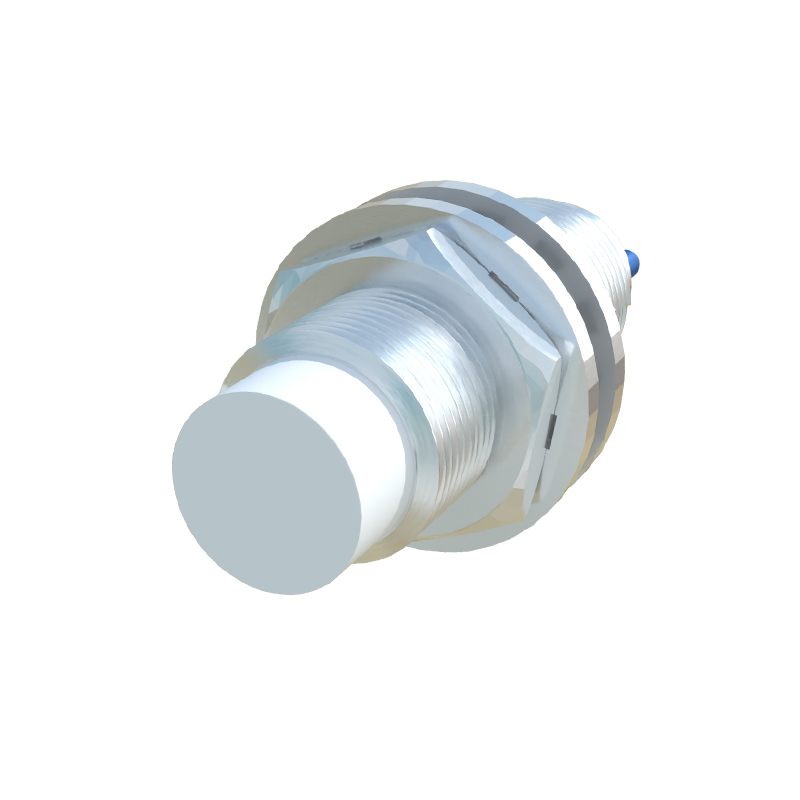
From a technical performance perspective, modern explosion proof sensors are highly capable. They offer sensing ranges comparable to their standard counterparts, with various output options (PNP/NPN, analog, IO-Link) and form factors. The advent of devices with integrated diagnostics and communication protocols like IO-Link has further increased their value, allowing for predictive maintenance and easier integration into Industry 4.0 frameworks. While they are generally more expensive upfront than standard sensors, this cost is justified by the engineering, testing, and certification required. The total cost of ownership, when factoring in safety, compliance, and reduced failure rates, often makes them a cost-effective solution for hazardous locations.
Potential drawbacks are typically related to cost and size. The initial purchase price is higher, and they can be larger and heavier due to the reinforced housing. This may require more planning in space-constrained applications. However, these are not flaws but inherent trade-offs for the safety feature they provide.
In conclusion, explosion proof proximity sensors are not just good; they are indispensable for safe and legal operation in designated hazardous areas. Their "goodness" is measured by their ability to prevent disasters, ensure continuous production, and protect human lives. The key to unlocking their full value is a diligent approach: understanding the hazardous area classification, selecting the precisely certified product, and following strict installation and maintenance protocols. When applied correctly, they are an excellent and reliable component of any industrial safety and automation system, providing peace of mind that is truly priceless.