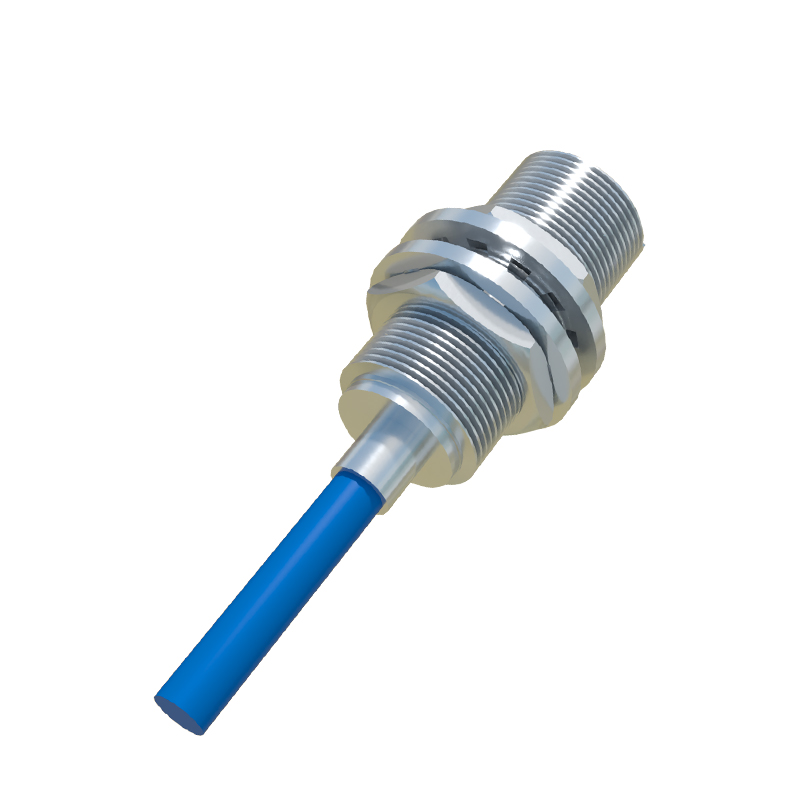
In the realm of industrial automation, proximity sensors are indispensable components that enable machines to detect the presence or absence of objects without physical contact. A specialized proximity sensor shop serves as a critical hub for engineers and technicians seeking reliable, high-performance sensing solutions. These shops offer a comprehensive range of sensors, including inductive, capacitive, ultrasonic, and magnetic types, each designed for specific applications and environmental conditions.
When selecting a proximity sensor, key factors such as sensing range, output type (e.g., NPN, PNP, analog), housing material, and ingress protection (IP) ratings must be considered. For instance, inductive sensors are ideal for detecting metallic objects in harsh environments, while capacitive sensors can handle non-metallic materials like plastics or liquids. A reputable shop provides detailed datasheets, technical support, and customization options to ensure compatibility with diverse industrial systems, from conveyor belts and robotic arms to safety interlocks and packaging machinery.
The advantages of sourcing from a dedicated proximity sensor shop include access to the latest technologies, such as IO-Link enabled sensors for smart factory integration, and expert guidance on installation and troubleshooting. Regular maintenance and calibration are essential for optimal performance, and many shops offer diagnostic tools and replacement parts to minimize downtime. By partnering with a trusted supplier, businesses can enhance operational efficiency, reduce costs, and improve safety in automated processes.
In conclusion, a proximity sensor shop is more than just a retail point—it is a vital resource for advancing industrial automation. With the right sensor selection and support, engineers can build resilient, responsive systems that meet the demands of modern manufacturing.