Proximity switch sensors are indispensable components in modern industrial automation, serving as the primary interface for non-contact detection of metallic and, in some cases, non-metallic objects. Their reliability, longevity, and precision make them superior to traditional mechanical limit switches in countless applications. This article delves into the technical considerations, mounting methodologies, and application-specific best practices for these critical devices, focusing on the pivotal role of proper mounting and integration.
At their core, proximity sensors operate on electromagnetic principles. Inductive proximity sensors generate an oscillating electromagnetic field. When a conductive metal target enters this field, eddy currents are induced, causing a change in the oscillation amplitude. This change is detected by the sensor's circuitry, triggering a solid-state output signal. Capacitive sensors, capable of detecting a wider range of materials including plastics and liquids, function by sensing changes in capacitance between the sensor's face and the target object. The choice between inductive and capacitive types is the first critical decision, dictated entirely by the application's target material.
The performance and operational life of a proximity sensor are profoundly influenced by its mounting configuration. Improper installation can lead to false triggering, reduced sensing range, physical damage, or complete failure. Key mounting considerations include:
1. Mounting Style: Sensors are available in threaded barrel styles (e.g., M8, M12, M18, M30) for easy integration into drilled and tapped holes, or in rectangular block styles for specialized fixtures. The threaded design often provides inherent protection against torsional forces.
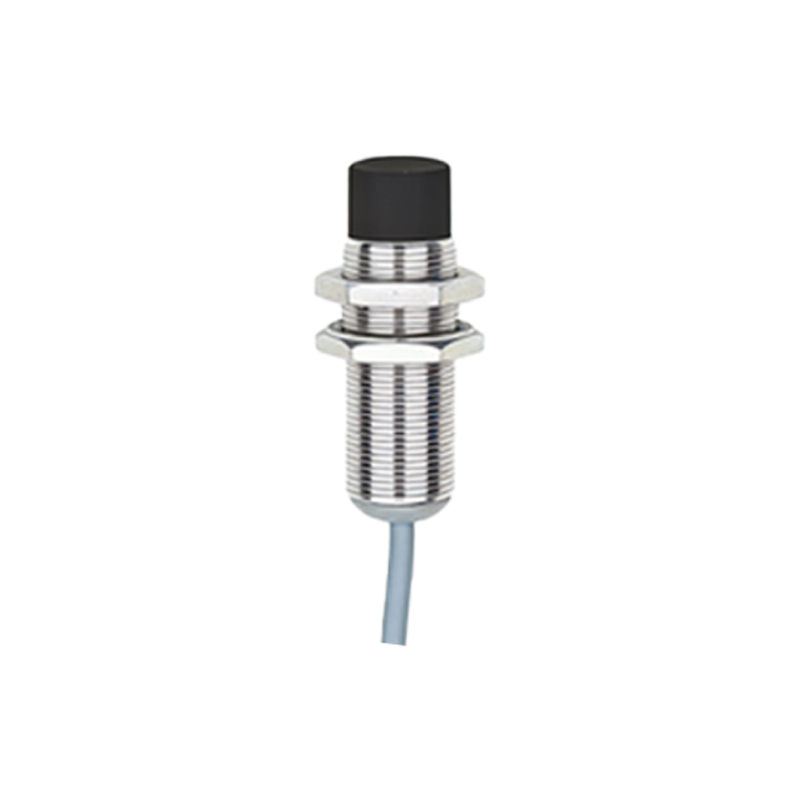
2. Flush vs. Non-Flush Mounting: For inductive sensors, this is a paramount distinction. Flush-mountable (or shielded) sensors can be installed embedded in metal without affecting their sensing field, offering mechanical protection. Non-flush (unshielded) sensors have an extended sensing range but require a clear zone of non-metallic material around the sensing face to prevent interference from the mounting nut or surrounding metal.
3. Sensing Distance: The rated operating distance (Sn) is defined under standardized conditions. In practice, factors like target material, size, shape, and temperature can affect the actual usable range. A safety factor, typically 20-30%, should be applied to account for mechanical tolerances and wear.
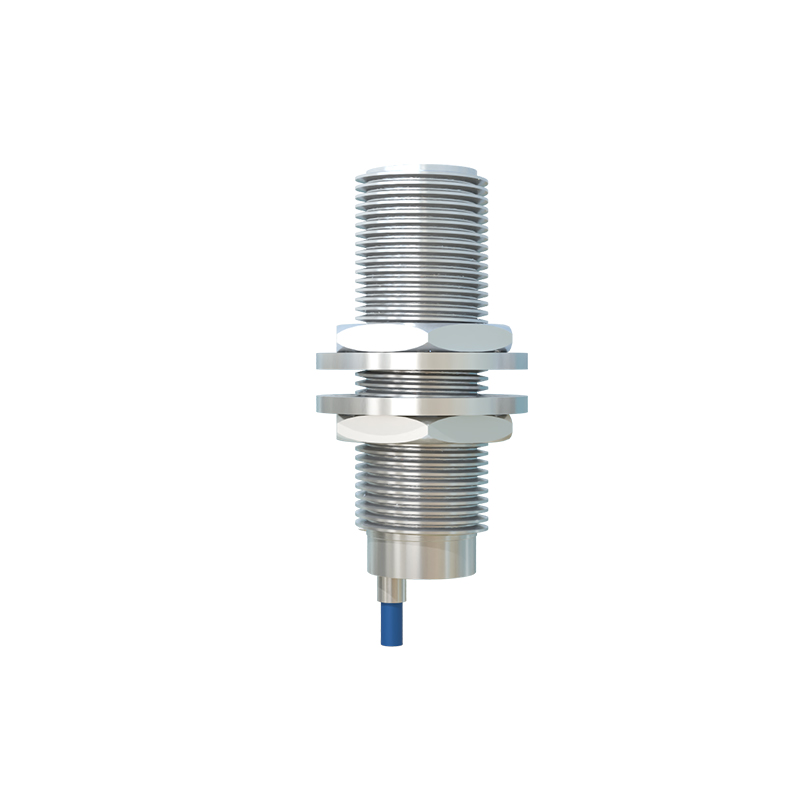
4. Environmental Protection: The Ingress Protection (IP) rating (e.g., IP67, IP69K) is crucial. Sensors in washdown environments (food & beverage) require high IP ratings to withstand high-pressure, high-temperature cleaning. Resistance to chemicals, oils, and coolants must also be verified.
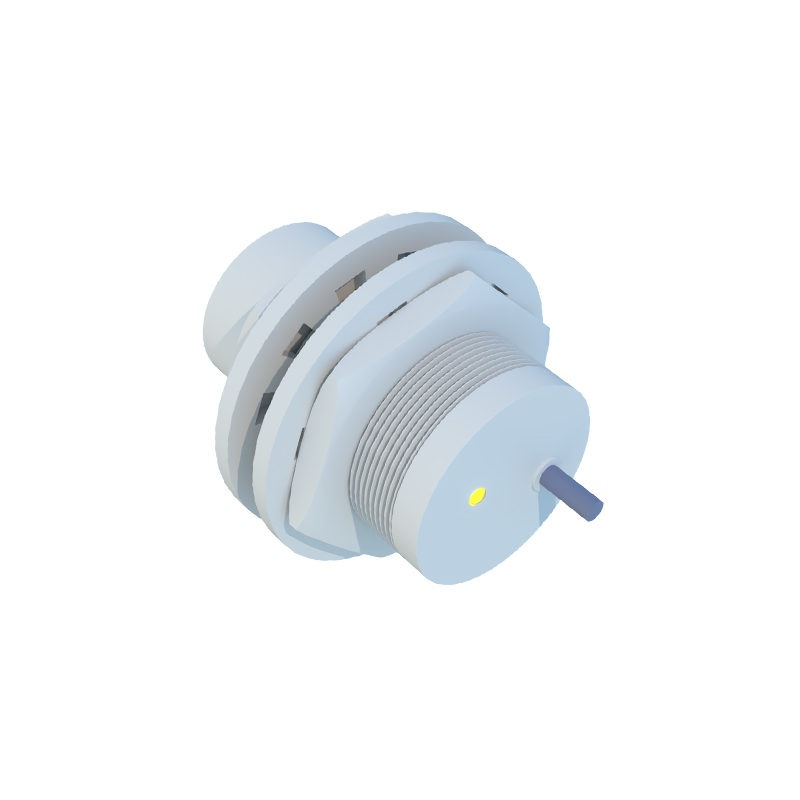
5. Electrical Connections: Quick-disconnect (QD) cables or fixed cables offer flexibility. QD connectors facilitate easy sensor replacement but must be specified with the correct pin configuration (e.g., 3-wire, NPN sinking, PNP sourcing, NO/NC) to match the controller's input card.
6. Mounting Hardware: Always use the correct locknuts or mounting brackets supplied or recommended by the manufacturer. Overtightening can crack the sensor housing or deform threads, while undertightening can lead to vibration-induced loosening and misalignment.
Beyond basic mounting, system integration is vital. Electrical noise from variable frequency drives (VFDs) or welding equipment can induce false signals. Employing shielded cables, proper grounding, and maintaining adequate separation from power lines are standard mitigation techniques. For applications involving fast-moving targets or precise positioning, the sensor's response time (switching frequency) must be faster than the cycle time of the target's passage.
Typical industrial applications showcase these principles. On an automated assembly line, flush-mounted inductive sensors monitor the presence of metal components in pallets. In material handling, rectangular block sensors detect the position of totes or packages on a conveyor. Within a CNC machine, sensors provide tool presence verification and limit switching for axis movement. In each case, the correct sensor type, mounted robustly and configured accurately, ensures seamless operation and minimizes costly downtime.
In conclusion, the selection and installation of a proximity switch sensor extend far beyond simply picking a device from a catalog. It is a systems engineering task that demands an understanding of the operating environment, the target characteristics, and the mechanical and electrical integration requirements. By adhering to rigorous mounting practices and considering the full application context, engineers and technicians can leverage the full potential of proximity sensors to create reliable, efficient, and safe automated systems. Regular inspection and maintenance of both the sensor and its mounting integrity are recommended as part of a comprehensive predictive maintenance program.