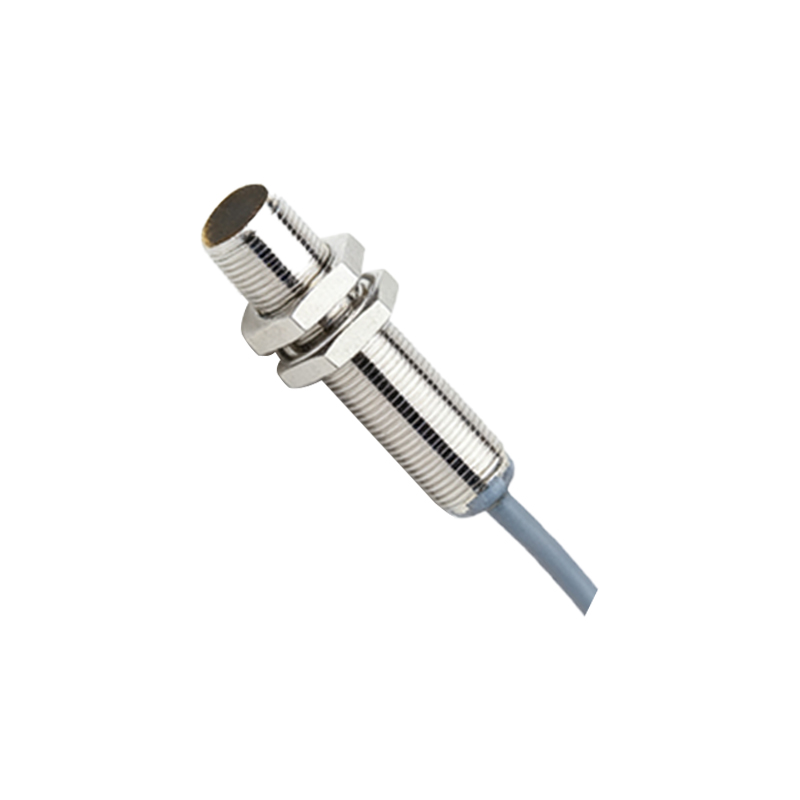
Infrared proximity sensors, often referred to as IR proximity sensors, are pivotal components in automation and industrial systems. These devices operate by emitting infrared light and detecting its reflection from nearby objects, enabling non-contact distance measurement and object detection. The core technology involves an IR LED that transmits light and a photodiode or phototransistor that receives the reflected signal. When an object enters the sensor's detection range, the reflected infrared light intensity changes, triggering an output signal. This principle allows for precise, reliable sensing in diverse environments.
One of the key advantages of infrared proximity sensors is their immunity to ambient visible light interference, thanks to modulated IR signals and specialized filters. This makes them ideal for applications where lighting conditions vary, such as in outdoor equipment or dimly lit manufacturing floors. Additionally, IR sensors are known for their fast response times and ability to detect a wide range of materials, including non-metallic objects that may challenge other sensor types like inductive or capacitive sensors.
In industrial settings, IR proximity sensors are extensively used for object counting, position verification, and level detection. For instance, in conveyor systems, they ensure proper spacing between items, preventing jams and optimizing throughput. In robotics, these sensors facilitate obstacle avoidance and precise maneuvering, enhancing safety and efficiency. The automotive industry relies on them for parking assistance systems, where they detect curbs or other vehicles to prevent collisions.
Despite their robustness, IR proximity sensors have limitations. Factors like object color, reflectivity, and environmental conditions (e.g., dust or fog) can affect accuracy. However, advancements in digital signal processing and adaptive algorithms have mitigated many of these issues, allowing for more stable performance. Modern sensors often feature adjustable sensitivity and detection ranges, enabling customization for specific tasks.
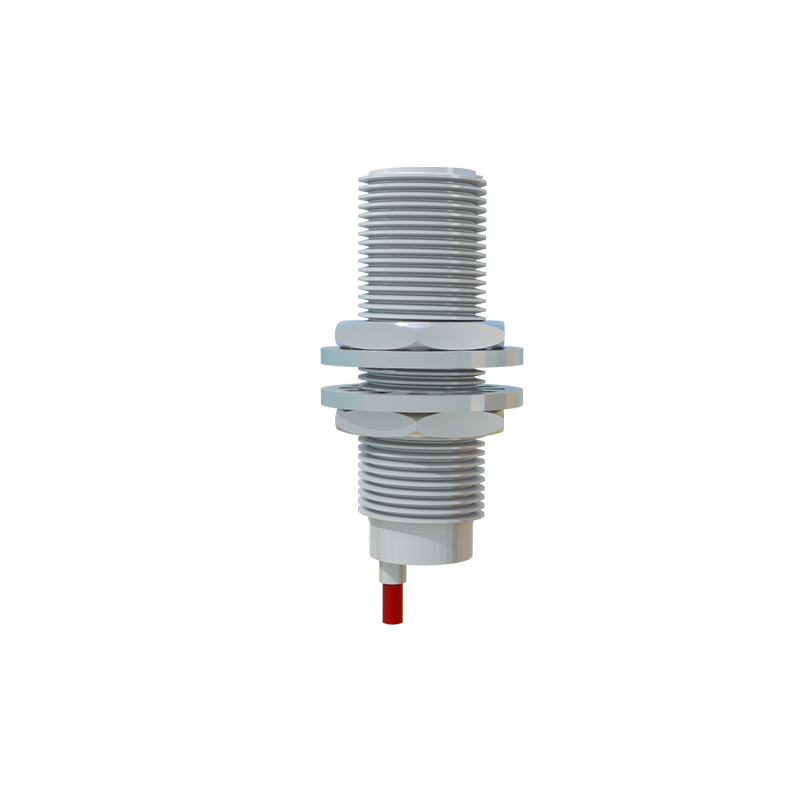
Looking ahead, the integration of IR proximity sensors with IoT and smart systems is expanding their utility. In smart buildings, they contribute to energy savings by controlling lighting and HVAC systems based on occupancy. In consumer electronics, such as smartphones and tablets, IR sensors enable features like automatic screen dimming during calls. The ongoing miniaturization and cost reduction of IR components are driving adoption across sectors, from healthcare devices to agricultural automation.
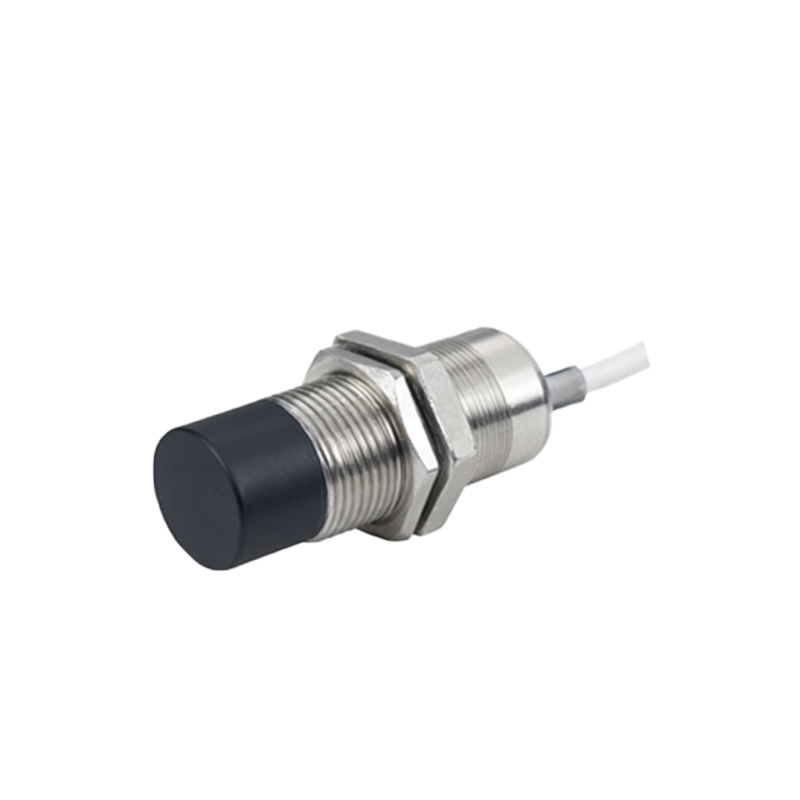
Overall, infrared proximity sensors represent a mature yet evolving technology. Their versatility, combined with ongoing innovations, ensures they remain essential in advancing industrial automation and enhancing operational efficiency. Engineers and designers must consider factors like detection range, response time, and environmental resilience when selecting sensors for optimal system integration.