In the intricate world of industrial automation and control systems, the humble proximity sensor stands as a fundamental yet powerful component. Its primary function is to detect the presence or absence of an object within a specific range without any physical contact. This non-contact detection capability is the cornerstone of its widespread utility, enabling precise, reliable, and maintenance-free operation in environments where mechanical switches would falter.
Proximity sensors operate on various principles, with inductive, capacitive, and photoelectric being the most prevalent. Inductive proximity sensors are the workhorses for detecting metallic objects. They generate an electromagnetic field, and when a metal target enters this field, it induces eddy currents, causing a change in the sensor's oscillation amplitude. This change is detected and converted into a solid-state output signal. These sensors are exceptionally robust, immune to environmental contaminants like dust, oil, and coolant, making them ideal for harsh manufacturing settings such as machine tools, robotic arms, and conveyor systems for part counting and position verification.
Capacitive proximity sensors, on the other hand, can detect both metallic and non-metallic materials, including liquids, plastics, glass, and wood. They function by generating an electrostatic field. The presence of any material with a dielectric constant different from air alters the capacitance of the circuit, triggering the output. This makes them perfect for applications like liquid level detection in tanks, monitoring the fill level of granular materials in hoppers, or detecting non-metallic caps on bottles in packaging lines.
Photoelectric sensors utilize light beams, typically infrared or laser, to detect objects. They consist of an emitter and a receiver. The detection occurs when the target object interrupts (in a through-beam setup) or reflects (in a retro-reflective or diffuse setup) the light beam. Offering the longest sensing ranges among proximity sensors, they are invaluable for detecting small objects, transparent materials, or for applications requiring long-range detection, such as in material handling and automated storage systems.
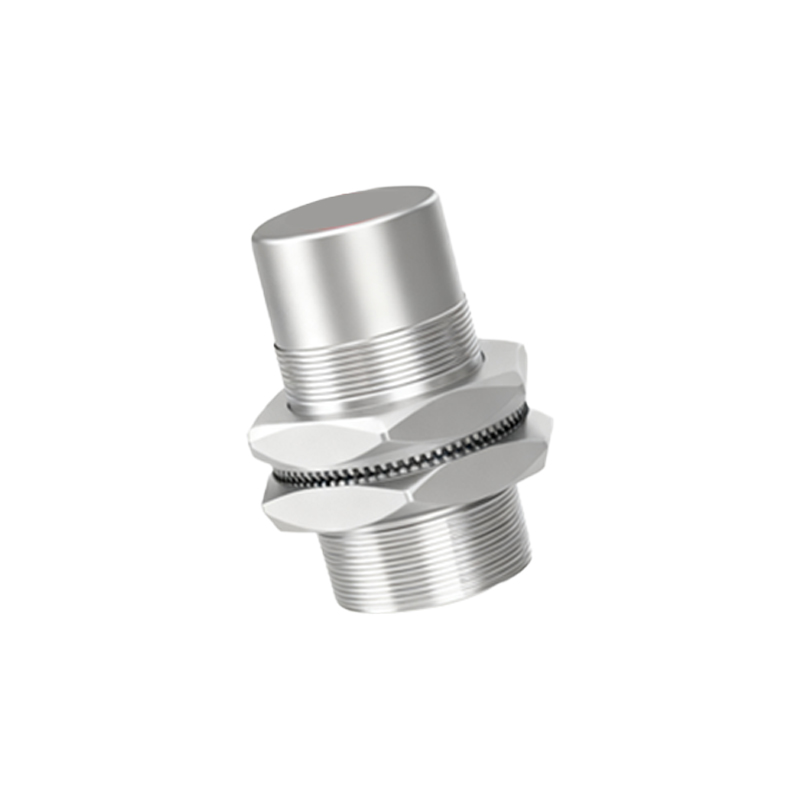
The role of these sensors extends far beyond simple detection. They are the critical "eyes" of a control system, providing the essential input data that drives automated decision-making. In a high-speed assembly line, for instance, an inductive sensor confirms a metal component is in the correct position before a robotic welder is activated, preventing costly collisions or defective products. In automated packaging, a photoelectric sensor ensures a carton is present before applying an adhesive label, optimizing material use and process integrity. Their fast response times, often in microseconds, are crucial for synchronizing high-speed machinery and ensuring seamless production flow.
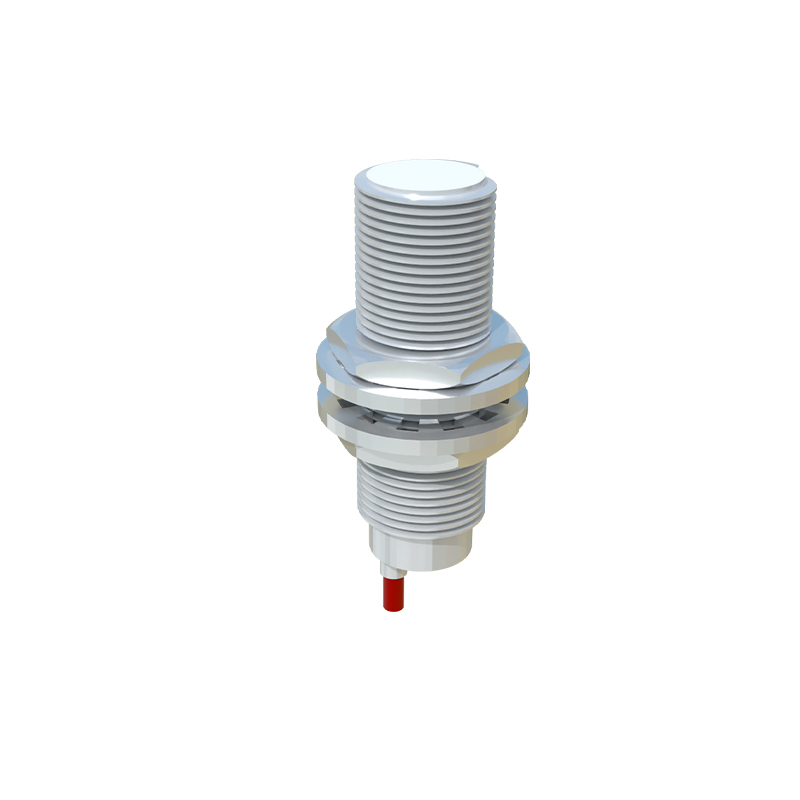
Furthermore, the advent of Industry 4.0 and the Industrial Internet of Things (IIoT) has amplified the importance of smart proximity sensors. Modern sensors come equipped with advanced diagnostics, IO-Link communication, and the ability to provide not just a binary signal but also parametric data like sensing distance adjustments, temperature readings, or health status. This data feeds into higher-level control and analytics platforms, enabling predictive maintenance, process optimization, and reduced downtime. An engineer can now monitor sensor performance trends remotely, anticipating failures before they cause a production halt.
The selection of the appropriate proximity sensor is a critical engineering decision. Factors such as the target material, required sensing distance, environmental conditions (temperature, presence of chemicals or washdown requirements), output type (PNP/NPN, analog, IO-Link), and electrical requirements must be meticulously evaluated. Incorrect selection can lead to unreliable operation, frequent failures, and safety hazards.
In conclusion, local proximity sensors are indispensable enablers of modern industrial automation. They provide the reliable, non-contact sensing that forms the foundational layer of data acquisition in automated systems. From ensuring basic machine safety and sequence control to feeding data into sophisticated IIoT ecosystems for smart manufacturing, their role is both fundamental and continuously evolving. For any engineer designing, maintaining, or optimizing an automated process, a deep understanding of proximity sensor technology is not just an advantage—it is an essential requirement for building efficient, resilient, and intelligent industrial operations.