In the realm of industrial automation, proximity sensors are indispensable components, providing non-contact detection of objects. A critical aspect of their selection and integration is understanding their voltage requirements and operating types. The voltage type not only dictates compatibility with control systems but also influences performance, wiring, and safety. This article delves into the common voltage types for proximity sensors, their characteristics, and application considerations.
The primary distinction lies between Alternating Current (AC) and Direct Current (DC) voltage types. AC proximity sensors typically operate on standard line voltages such as 120VAC or 240VAC. They are known for their robustness and ability to handle high inrush currents, making them suitable for direct switching of loads like contactors or small motors without an intermediary relay in some cases. However, AC sensors generally have a slower switching frequency compared to their DC counterparts and may produce more electrical noise. Their sensing range can also be slightly affected by temperature variations. They are commonly found in environments where AC power is readily available and high-speed counting is not a primary requirement.
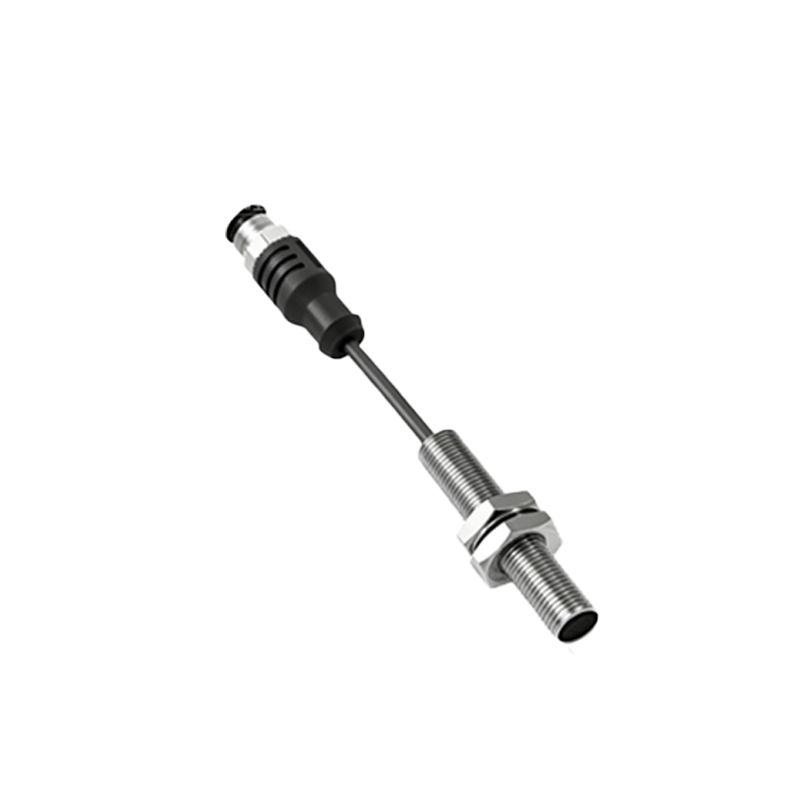
DC proximity sensors, on the other hand, dominate modern automated systems. They operate on low DC voltages, with 10-30VDC being the most prevalent range (often specified as 12-24VDC). This category further splits into two fundamental output configurations based on the transistor type: NPN (sinking) and PNP (sourcing). This distinction is paramount for correct wiring to Programmable Logic Controllers (PLCs) and other control devices.
An NPN sensor switches the negative (0V) line. In its normal state, the output signal line is at a high impedance. When an object is detected, the internal NPN transistor activates, connecting the output signal wire to the common negative (0V). Essentially, it "sinks" current to ground. Conversely, a PNP sensor switches the positive voltage line. When active, it provides the positive supply voltage (e.g., +24V) to the output signal wire, thereby "sourcing" current to the load. The choice between NPN and PNP is often dictated by the input card of the PLC; some regions show a preference for one type over the other due to historical wiring conventions.
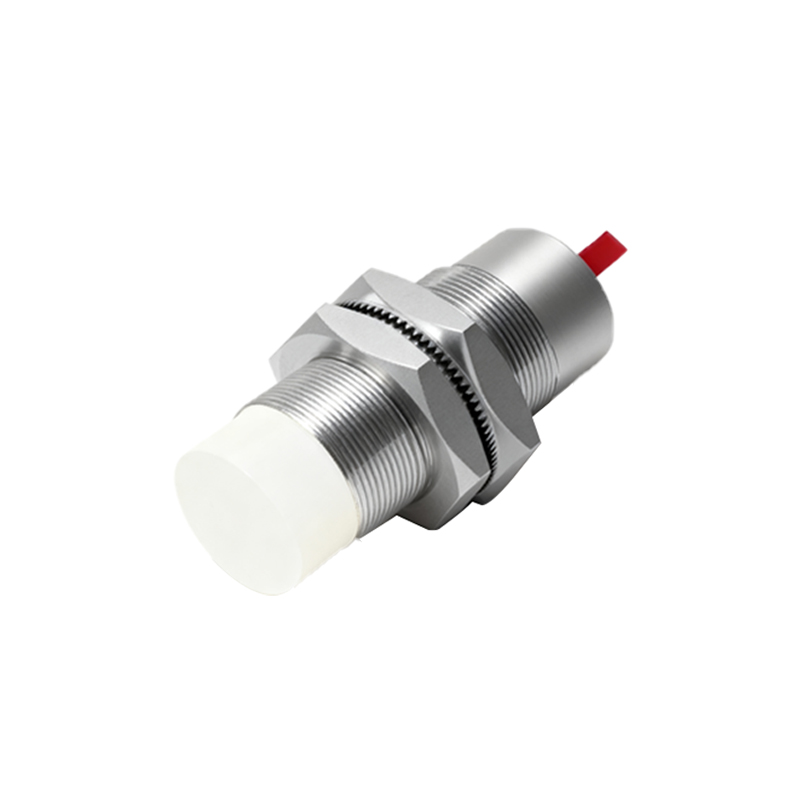
Beyond the basic AC/DC and NPN/PNP classifications, several other voltage-related specifications are crucial. The operating voltage range indicates the span within which the sensor guarantees proper function. A wider range (e.g., 10-30VDC) offers better protection against voltage fluctuations. The residual voltage or voltage drop is the small voltage that remains across the output terminals when the sensor is in the "ON" state. A lower residual voltage is desirable, especially when interfacing with sensitive low-voltage logic circuits, to ensure a clear "ON" signal.
Current consumption is another key parameter, important for sizing power supplies, especially when multiple sensors are used. The load current rating specifies the maximum current the sensor's output can safely switch. Exceeding this can damage the internal switching element. For DC sensors, short-circuit and reverse polarity protection are highly valuable features that prevent damage from wiring errors.
Selecting the correct voltage type involves a systematic approach. First, identify the available control system power supply (AC mains or DC power supply). Then, examine the input specifications of the receiving device (e.g., PLC input module). Match the sensor's output type (AC, DC NPN, or DC PNP) to this input. Consider the electrical noise environment; DC sensors, particularly those with complementary metal-oxide-semiconductor (CMOS) outputs, are often preferred in electrically noisy settings. For applications requiring very high switching speeds (e.g., counting small, fast-moving parts), DC sensors are the unequivocal choice due to their superior frequency response.
In conclusion, the voltage type of a proximity sensor is a foundational selection criterion. While AC sensors offer simplicity in certain direct-switching roles, the versatility, speed, and compatibility with modern electronics make DC sensors, with their NPN and PNP variants, the workhorses of contemporary industrial automation. A thorough understanding of these voltage types, coupled with careful attention to datasheet specifications regarding voltage ranges, current ratings, and protection features, ensures reliable sensor operation, system integrity, and optimal performance in any automated application.