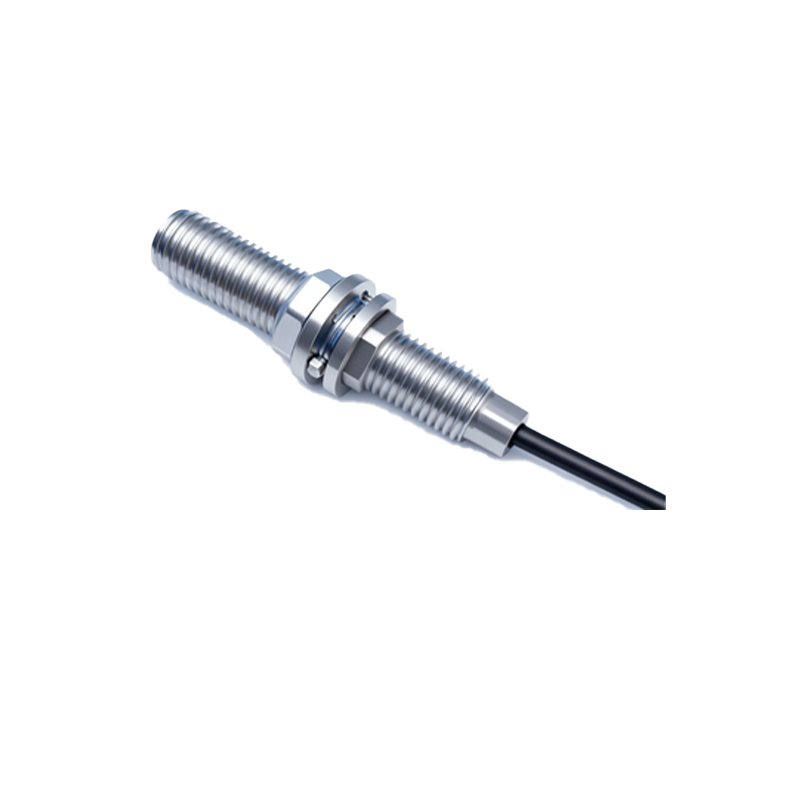
In the realm of industrial automation and control systems, the reliability and precision of sensing technology are paramount. Among the myriad of components that ensure seamless operations, proximity sensors stand out for their critical role in non-contact detection. The GE50 series of inductive proximity sensors represents a significant advancement in this field, offering robust performance tailored for demanding industrial environments. This article delves into the technical specifications, operational principles, and practical applications of the GE50 proximity sensor, providing a detailed overview for engineers and technicians.
The GE50 proximity sensor is an inductive type, designed to detect metallic objects without physical contact. Its operating principle is based on electromagnetic induction. The sensor generates an oscillating electromagnetic field from its active face. When a metallic target enters this field, eddy currents are induced within the target, causing a change in the oscillation amplitude. This change is detected by the sensor's internal circuitry, which subsequently triggers a switching signal. This non-contact method ensures minimal wear and tear, leading to extended service life and reduced maintenance costs—a crucial advantage in high-cycle applications.
Constructed with a durable housing typically made of nickel-plated brass or stainless steel, the GE50 is built to withstand harsh conditions, including exposure to oils, coolants, and particulate matter. Its ingress protection rating, often IP67 or higher, guarantees reliable operation in wet or dusty environments. The sensor is available in various form factors, including cylindrical and rectangular designs, with standard sensing distances, such as 5mm, 8mm, or 15mm, depending on the specific model. Key electrical characteristics include a wide operating voltage range (commonly 10-30V DC) and output configurations like NPN (sinking) or PNP (sourcing), as well as normally open (NO) or normally closed (NC) contacts, allowing for flexible integration into diverse control systems.
Installation and wiring of the GE50 sensor are straightforward, adhering to industry-standard practices. Proper mounting is essential to avoid false triggers from surrounding metal. Maintaining the recommended clearance between the sensor and any adjacent metallic structures ensures optimal performance. The sensor's LED indicator provides visual confirmation of its operational status, aiding in quick diagnostics and troubleshooting. When integrated into a circuit, it is vital to consider load compatibility and ensure protection against short circuits and overcurrent conditions, typically by incorporating appropriate fuses or circuit breakers.
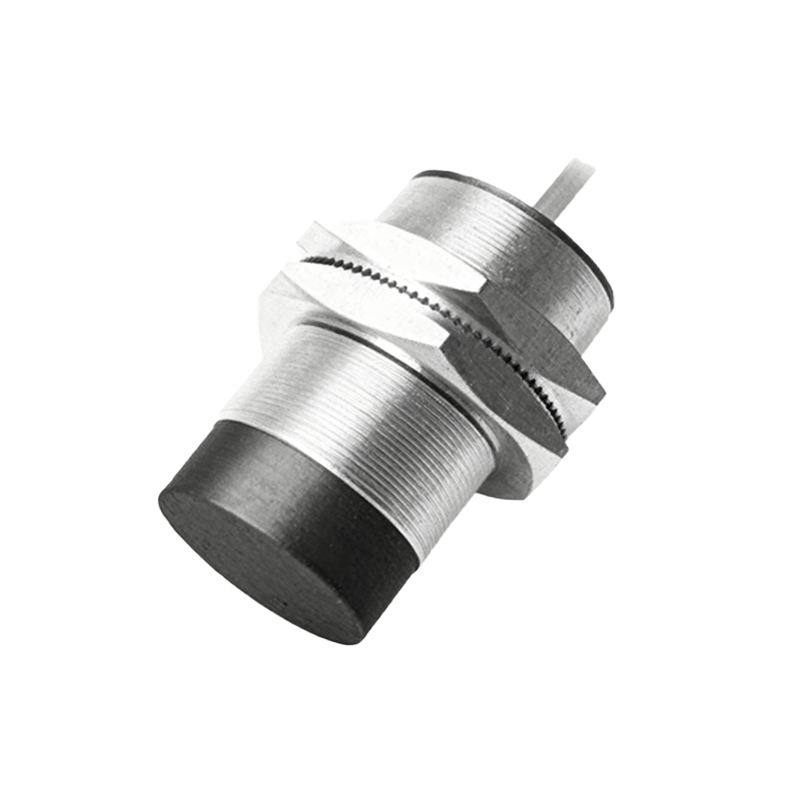
The applications of the GE50 proximity sensor are extensive across various industries. In automotive manufacturing, these sensors are employed for part presence verification on assembly lines, position sensing in robotic arms, and end-of-travel detection in conveyor systems. Within the packaging sector, they monitor fill levels, count products, and control gate mechanisms. In metalworking and machining, GE50 sensors detect tool positions, monitor spindle orientation, and ensure workpiece alignment. Their resilience to vibration and temperature fluctuations makes them suitable for heavy machinery and outdoor equipment.
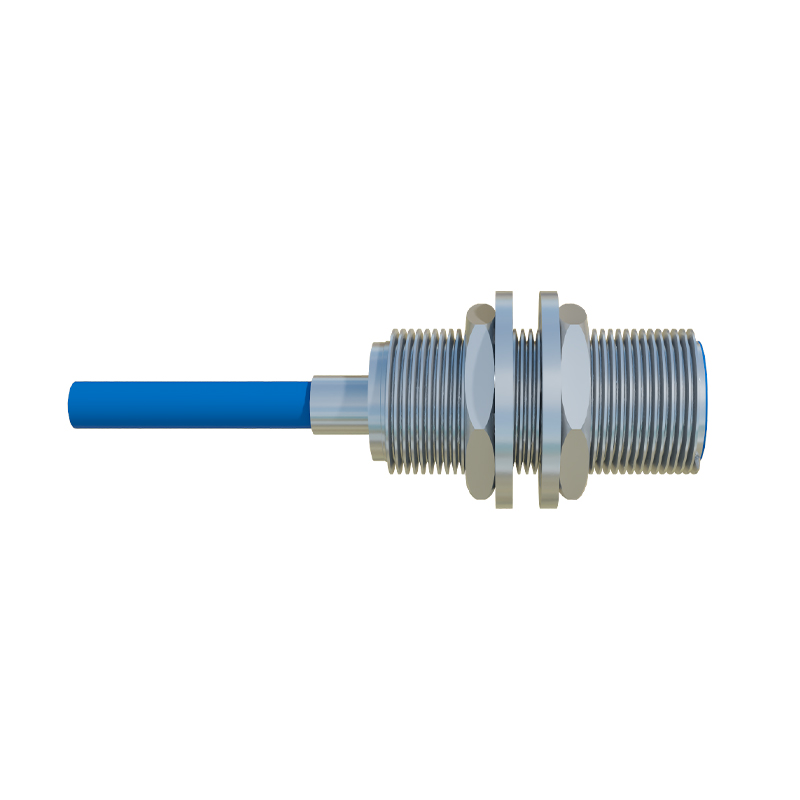
When selecting a GE50 sensor for a specific application, several factors must be evaluated. The nature of the target material is primary; while inductive sensors excel with ferrous metals like steel and iron, their sensing range may reduce for non-ferrous metals such as aluminum or copper. Environmental conditions, including temperature extremes, humidity, and potential chemical exposure, should align with the sensor's specifications. Additionally, the required switching frequency and response time must match the process speed to avoid bottlenecks. For high-speed applications, models with faster response times, often in the microsecond range, are preferable.
Maintenance of the GE50 sensor is minimal but essential for long-term reliability. Regular inspections should check for physical damage, accumulation of debris on the sensing face, and secure electrical connections. Cleaning the active surface with a soft cloth can prevent false readings. Should operational issues arise, such as failure to detect or constant triggering, systematic troubleshooting involves verifying power supply, checking wiring integrity, testing with a known target, and ensuring no electromagnetic interference from nearby equipment.
In conclusion, the GE50 proximity sensor embodies a blend of durability, accuracy, and versatility, making it a cornerstone in modern industrial automation. Its design addresses the rigorous demands of continuous operation, while its technical features provide the precision necessary for complex control tasks. By understanding its capabilities and adhering to best practices in installation and maintenance, engineers can leverage the GE50 to enhance system efficiency, improve safety, and reduce downtime. As industries continue to evolve towards greater automation, the role of reliable sensing components like the GE50 will only become more pivotal, driving innovation and operational excellence across the manufacturing landscape.