Laser sensors are integral components in modern industrial automation, offering high precision, non-contact measurement, and reliable performance in diverse environments such as manufacturing lines, robotics, and quality control systems. However, a common operational issue faced by engineers is sensor jamming or blockage, where the laser beam is obstructed, leading to measurement failures, production halts, or safety risks. This article delves into the causes, troubleshooting steps, and preventive measures for laser sensor jamming, tailored for electrical engineers and maintenance professionals.
The primary cause of laser sensor jamming is physical obstruction. In industrial settings, contaminants like dust, oil mist, metal shavings, or debris can accumulate on the sensor's lens or emitter, gradually attenuating the laser signal. For instance, in automotive assembly plants, welding sparks or lubricant sprays may coat the sensor, while in food processing, residue buildup can occur. Environmental factors such as humidity, temperature fluctuations, or vibration can exacerbate this, causing misalignment or condensation that blocks the beam. Additionally, improper installation—like placing sensors near moving parts or in direct paths of material flow—increases the risk of accidental impacts or coverings by products or machinery.
To troubleshoot a jammed laser sensor, start with a systematic inspection. First, power down the equipment following safety protocols to avoid electrical hazards or unintended machine movements. Visually examine the sensor housing, lens, and surrounding area for visible blockages, using a clean, lint-free cloth and approved cleaning solutions like isopropyl alcohol to gently remove contaminants. Avoid abrasive materials that could scratch optical surfaces. Next, check the sensor's alignment by verifying its mounting position and beam path; misalignment due to loose brackets or shifts in machinery can mimic jamming symptoms. Use alignment tools or the sensor's built-in indicators, if available, to ensure the beam targets the correct object or reflector.
Electrical diagnostics are also crucial. Measure the sensor's output signals using a multimeter or oscilloscope to confirm if it's generating a valid signal. Many laser sensors feature diagnostic LEDs or communication interfaces (e.g., IO-Link) that provide status alerts for issues like beam break or low signal strength. Consult the manufacturer's manual for error codes—common indicators include "beam blocked" or "signal loss" alarms. If the sensor appears clean and aligned but still malfunctions, test it in a controlled environment to rule out external interference from ambient light, electromagnetic noise, or competing laser sources, which can disrupt detection.
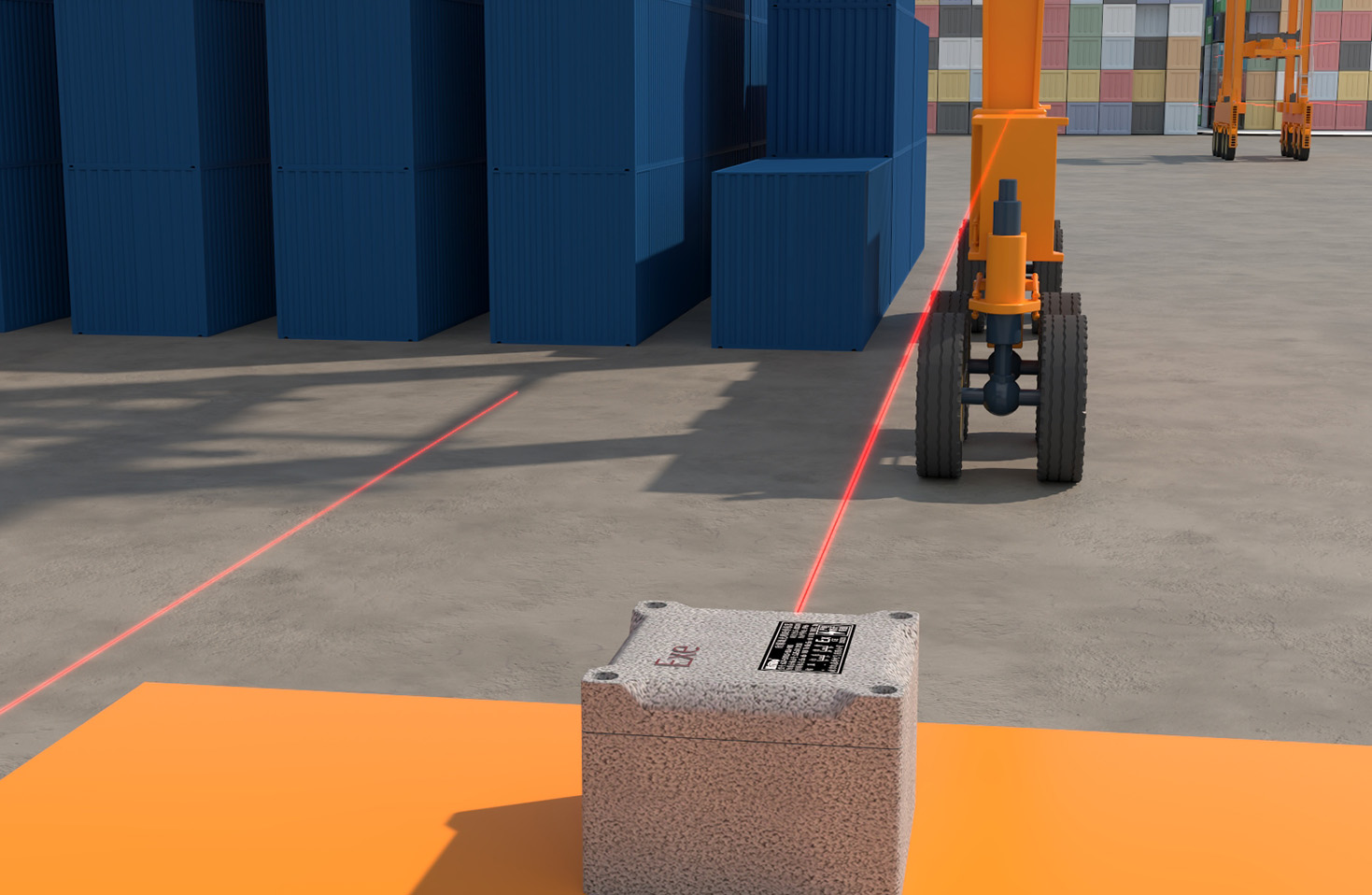
Preventing laser sensor jamming requires proactive maintenance and design considerations. Implement regular cleaning schedules based on the operating environment; for harsh conditions, use sensors with higher IP ratings (e.g., IP67 or IP69K) that offer dust and water resistance. Protective accessories like air purging kits or physical guards can shield lenses from contaminants without impeding the beam. In installation, position sensors away from direct exposure to processes generating debris, and ensure stable mounting to prevent vibration-induced shifts. Employ redundant sensing systems or fail-safe mechanisms in critical applications to maintain operations during sensor issues.
Furthermore, selecting the right sensor type can mitigate jamming risks. For example, background suppression sensors or polarized filters may reduce false triggers from reflective surfaces, while time-of-flight sensors are less susceptible to minor obstructions. Training personnel on proper handling and maintenance, coupled with documenting incidents for root cause analysis, enhances long-term reliability. By integrating these practices, engineers can minimize downtime, uphold safety standards, and optimize the lifecycle of laser sensing systems in industrial automation.
In summary, laser sensor jamming stems from environmental and operational factors, but with methodical troubleshooting and preventive strategies, it can be effectively managed. Regular maintenance, correct installation, and appropriate sensor selection are key to ensuring uninterrupted performance in demanding industrial applications.