Passive proximity sensors are fundamental components in modern industrial automation, offering reliable object detection without direct physical contact. Unlike active sensors that emit energy, passive sensors respond to changes in the environment caused by the target object itself, such as alterations in magnetic fields, capacitance, or infrared radiation. This inherent simplicity makes them highly durable, cost-effective, and suitable for harsh conditions where power availability or complex electronics might be a limitation.
A common example is the inductive proximity sensor, which detects metallic objects. It operates based on the principle of electromagnetic induction. The sensor contains a coil that generates an oscillating electromagnetic field. When a ferrous or non-ferrous metal object enters this field, it induces eddy currents within the object, causing a change in the oscillation amplitude. This change is detected by the sensor's internal circuitry, triggering a solid-state output signal. These sensors are immune to dust, oil, and moisture, making them ideal for machine tooling, conveyor systems, and automotive assembly lines.
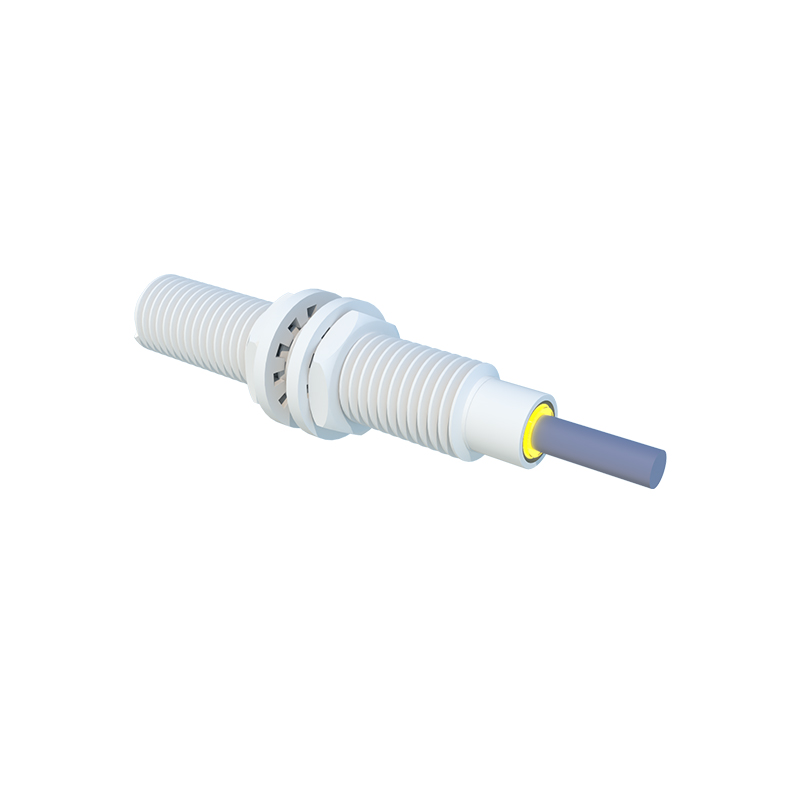
Another prevalent type is the capacitive passive proximity sensor. It can detect both metallic and non-metallic materials, including liquids, plastics, and wood. The sensor functions by measuring changes in capacitance between its electrode and the target object, which acts as the second plate of a capacitor. As an object approaches, the capacitance increases, and once it reaches a preset threshold, the sensor switches its output. This versatility is exploited in level detection for tanks, material handling, and packaging machinery.
Passive infrared (PIR) sensors represent a different category, detecting objects based on their thermal radiation. They contain a pyroelectric material that generates a voltage when exposed to infrared radiation from a warm body, such as a person or machinery. PIR sensors are widely used in security systems, automatic lighting, and energy management. Their passive nature means they consume very little power and do not emit any energy, relying solely on the infrared energy emitted by the target.
The selection of a passive proximity sensor depends on several factors: target material, required sensing distance, environmental conditions, and response speed. For instance, inductive sensors offer short to medium ranges (up to 60 mm typically) and fast response times, perfect for high-speed counting or position verification. Capacitive sensors have similar ranges but are sensitive to environmental factors like humidity. PIR sensors have longer ranges but are influenced by ambient temperature.
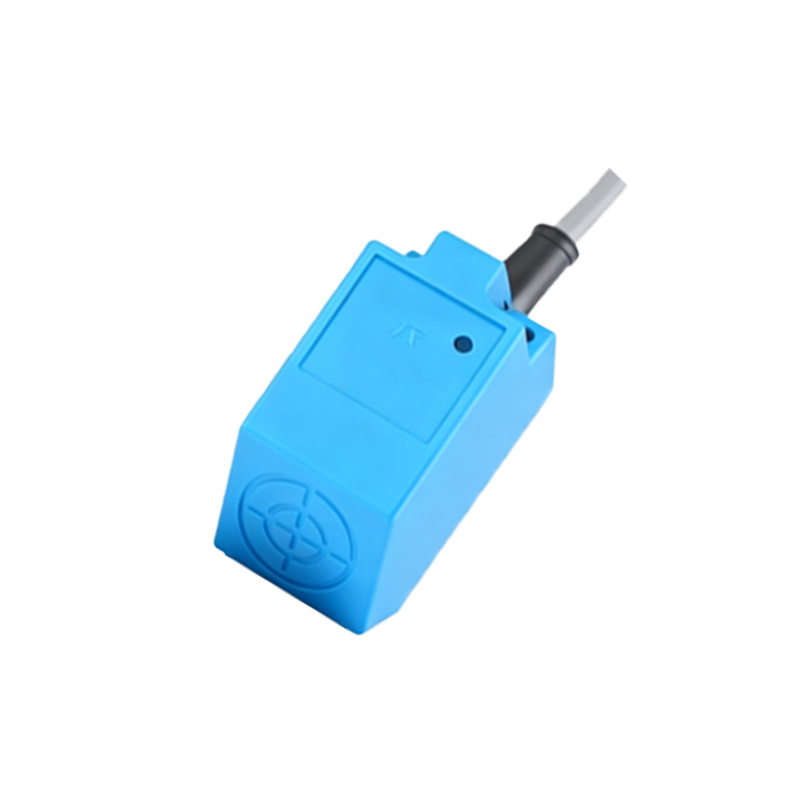
Installation and maintenance are straightforward. Most passive sensors feature a robust housing, often in stainless steel or nickel-plated brass, with LED indicators for diagnostics. They require no calibration in standard applications and have long service lives due to the absence of moving parts. However, users must ensure proper mounting to avoid mutual interference between multiple sensors and shield them from extreme electromagnetic noise in heavy industrial settings.
In summary, passive proximity sensors provide a robust, low-maintenance solution for countless detection tasks. Their operation, rooted in fundamental physical principles, ensures reliability where active sensors might fail. From ensuring safety in automated gates to precision in manufacturing, these devices continue to be indispensable in the engineer's toolkit, evolving with advancements in materials and signal processing to meet ever more demanding industrial challenges.