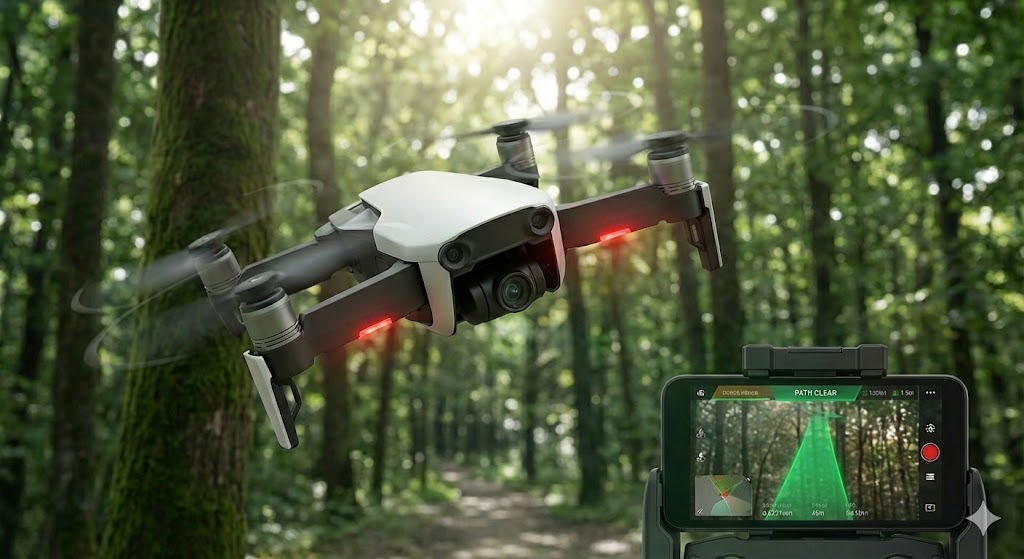
Laser sequence sensors represent a critical advancement in industrial automation, offering unparalleled precision in object detection, positioning, and process control. These sophisticated devices operate by emitting a series of timed laser pulses rather than a continuous beam. This sequential pulsing allows for highly accurate measurement of distance, presence, and even the profile of an object on a production line. The core principle involves analyzing the time delay between the emitted pulse and its reflection, a method known as time-of-flight (ToF). This technology enables the sensor to distinguish between multiple objects in its field of view and filter out background noise, making it exceptionally reliable in complex, high-speed environments such as automotive assembly, packaging, and robotic material handling.
A key advantage of laser sequence sensors over traditional photoelectric or ultrasonic sensors is their immunity to ambient light interference and their ability to perform in environments with dust, steam, or varying surface colors and textures. The sequential nature of the laser emission provides a form of digital "signature," allowing the sensor's processor to ignore spurious signals and focus solely on the intended target. This results in fewer false triggers and significantly higher operational stability. Modern iterations often integrate advanced features like background suppression, which defines a precise sensing window, and teach-in functionality for easy configuration via a push-button or IO-Link communication.
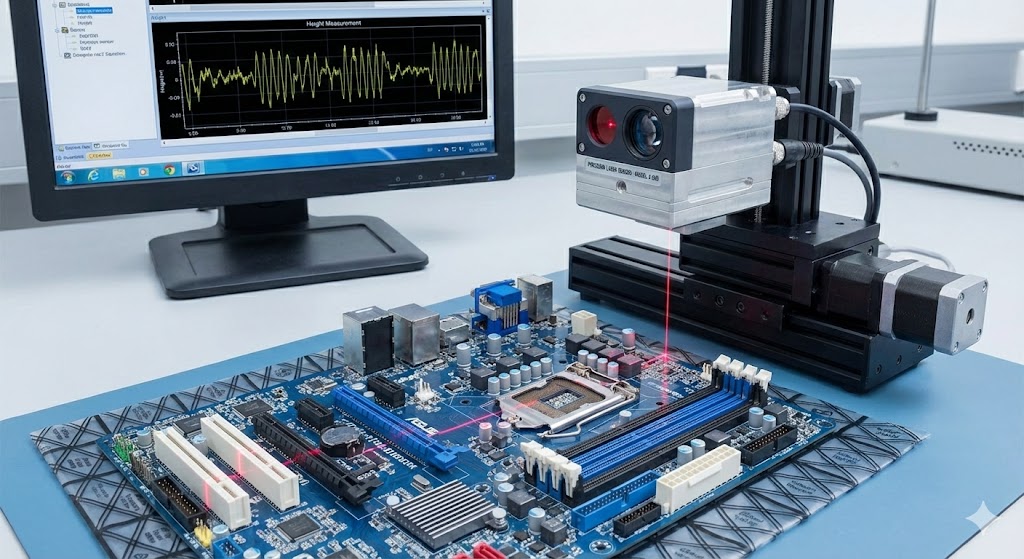
From an engineering perspective, integrating these sensors requires careful consideration of factors such as sensing range, response time, and output type (e.g., NPN/PNP, analog, or IO-Link). Their typical housing is robust, rated at IP67 or higher, ensuring durability in harsh industrial settings. Applications are diverse: they can precisely count small components on a vibrating feeder, ensure correct fill levels in bottling plants by detecting liquid surfaces, or guide robotic arms for precise pick-and-place operations by providing real-time positional feedback. The data provided by these sensors is integral to closed-loop control systems, enhancing overall equipment effectiveness (OEE) by minimizing downtime and product defects.
Looking forward, the integration of laser sequence sensors with Industrial Internet of Things (IIoT) platforms is a growing trend. By providing rich, digitized data on process parameters, they become key nodes in predictive maintenance and smart factory analytics. Their role in enabling adaptive manufacturing—where production lines can quickly reconfigure for different products—is indispensable. For engineers and system integrators, mastering the selection and application of laser sequence sensors is fundamental to building resilient, efficient, and intelligent automated systems that meet the demands of modern industry.