In modern industrial automation, proximity sensors play a critical role in detecting the presence or absence of objects without physical contact. Batch testing of these sensors is essential to ensure reliability, consistency, and compliance with industry standards. This article delves into the fundamental principles, methodologies, and best practices for conducting efficient batch testing of proximity sensors.
Proximity sensors, including inductive, capacitive, and photoelectric types, operate based on electromagnetic fields, capacitance changes, or light beams. Batch testing involves evaluating multiple sensors simultaneously under controlled conditions to verify their performance parameters. The primary objectives are to assess sensing range, response time, repeatability, and environmental robustness. A standardized test setup typically includes a test bench with calibrated targets, signal analyzers, and data acquisition systems. Sensors are mounted in fixtures that simulate real-world installation scenarios, and targets are moved within specified distances to trigger detection.
The core principle of batch testing lies in automating the process to minimize human error and maximize throughput. Automated test systems use programmable logic controllers (PLCs) or industrial PCs to execute test sequences. Each sensor's output is monitored for accuracy against predefined thresholds. For inductive sensors, testing may involve varying metal targets (e.g., steel, aluminum) to check material sensitivity. Capacitive sensors require tests with different dielectric materials, while photoelectric sensors are evaluated under varying light conditions. Data from these tests are logged and analyzed using statistical process control (SPC) tools to identify outliers or trends indicating manufacturing defects.
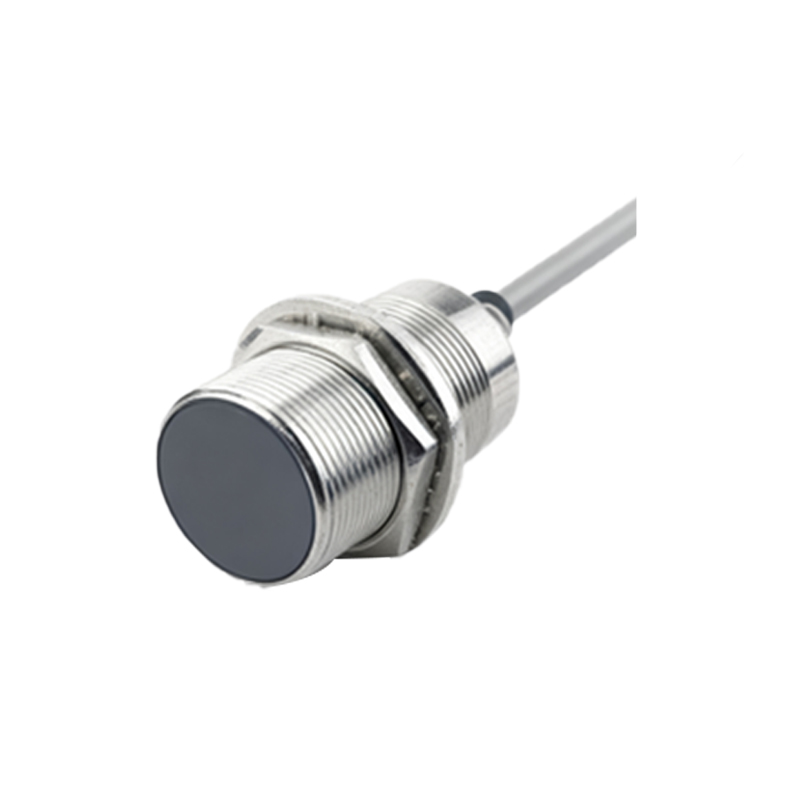
Key parameters measured during batch testing include the operating distance, which must fall within tolerance levels per sensor specifications. Hysteresis, or the difference between switch-on and switch-off points, is also critical to prevent erratic switching. Response time tests ensure sensors can handle high-speed applications, such as conveyor systems. Additionally, environmental tests may involve subjecting sensors to temperature extremes, humidity, vibration, or electromagnetic interference to validate durability.
Best practices for batch testing emphasize calibration traceability to international standards like IEC 60947-5-2. Regular maintenance of test equipment and fixtures is necessary to avoid drift in measurements. Implementing a sample-based approach for large batches can balance efficiency with thoroughness, where random samples undergo full testing while others receive abbreviated checks. Documentation of test results, including serial numbers and performance metrics, supports quality assurance and facilitates traceability in case of field failures.
In conclusion, batch testing of proximity sensors is a systematic process rooted in automation, standardization, and data-driven analysis. By adhering to these principles, manufacturers can deliver sensors that meet the rigorous demands of industrial environments, enhancing operational safety and efficiency. As technology evolves, integrating IoT-enabled testing systems may further streamline batch testing, enabling real-time monitoring and predictive maintenance insights.