In the dynamic and demanding world of industrial automation, the efficiency and reliability of sensor installations are paramount. Among the critical components facilitating this are quick-disconnect couplings for proximity sensors. These devices, often overlooked, play a vital role in streamlining maintenance, enhancing system flexibility, and ensuring operational continuity. This article delves into the technical aspects, selection criteria, and best practices for utilizing these couplings in modern industrial settings.
Quick-disconnect couplings, also known as quick-connect or quick-release couplings, are connectors designed to allow for the rapid connection and disconnection of fluid or electrical lines without the need for tools. In the context of inductive, capacitive, or magnetic proximity sensors, these couplings typically refer to the electrical connection between the sensor and its cable or between the cable and the control system. The primary advantage is clear: during sensor replacement, repair, or reconfiguration, the coupling can be disconnected and reconnected in seconds, dramatically reducing machine downtime.
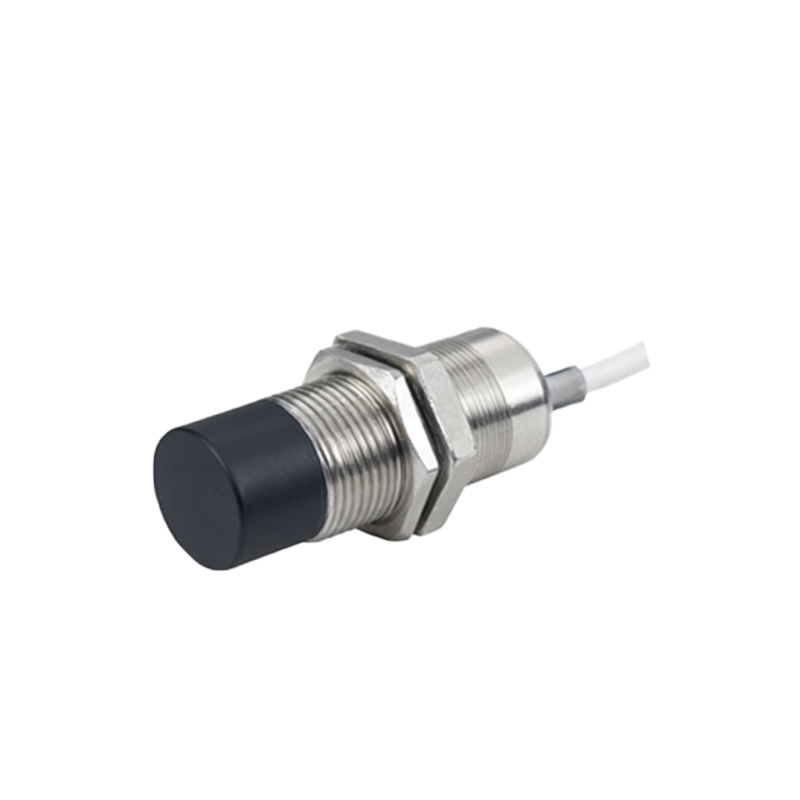
The construction of a high-quality proximity sensor quick-disconnect coupling is engineered for durability. Key materials include robust engineering plastics like PBT or PA, which offer excellent resistance to oils, coolants, and industrial chemicals. The internal contacts are usually gold-plated brass or similar corrosion-resistant metals to ensure a stable, low-resistance electrical connection even after thousands of mating cycles. A critical feature is the IP rating (Ingress Protection). For most industrial environments, a minimum of IP67 is standard, providing complete protection against dust and temporary immersion in water. This sealing is achieved through integrated O-rings and precise molding.
From a functional perspective, these couplings are designed with user safety and error-proofing in mind. Many incorporate a bayonet, push-pull, or threaded locking mechanism. The bayonet style, involving a simple quarter-turn to lock, is prevalent due to its speed and secure fit. Audible and tactile clicks confirm proper engagement. Color-coding, often following industry standards (e.g., brown for +V, blue for 0V, black for signal), prevents incorrect wiring during hectic maintenance procedures. Furthermore, mechanical keying or unique pin configurations ensure that only compatible sensors and cables can be mated, preventing damage from voltage mismatches.
Selecting the appropriate quick-disconnect coupling requires careful consideration of several application parameters. First, the electrical specifications: voltage, current rating, and the number of pins (commonly 3-pin or 4-pin for PNP/NPN sensors) must match the sensor and controller. Second, the mechanical environment dictates the required robustness. Factors include expected vibration levels, potential for physical impact, and ambient temperature ranges. For high-vibration areas, a coupling with a positive locking thread or a secondary locking clip is advisable. Third, the cable type must be compatible—whether it’s a PUR (polyurethane) or PVC (polyvinyl chloride) sheathed cable, and its diameter must fit the coupling's strain relief gland.
The benefits of integrating a standardized quick-disconnect system for proximity sensors are substantial. Maintenance teams can pre-wire and test sensors on a bench before installation, swapping out faulty units on the production line in minutes instead of hours. This modularity also simplifies inventory management, as a single cable type can service multiple sensor models equipped with the same coupling interface. Ultimately, this leads to lower total cost of ownership through reduced labor costs and minimized production losses.
However, proper installation is crucial for long-term performance. Technicians must ensure the coupling is fully seated and locked. The cable should be routed and clamped to avoid placing direct tensile stress on the connection point. Regular inspection for signs of wear, corrosion, or damage to the seals is part of a proactive maintenance routine. While the initial investment in a quick-disconnect system may be higher than traditional hard-wired methods, the return on investment in operational agility and reliability is consistently proven in high-throughput manufacturing, packaging, and automotive assembly plants.
In conclusion, proximity sensor quick-disconnect couplings are not mere accessories but essential components for building resilient and adaptable automation systems. By enabling rapid deployment and service, they directly contribute to maximizing equipment uptime and operational efficiency. As Industry 4.0 and smart factory concepts evolve, the role of such quick-change components will only grow in importance, supporting the need for agile and reconfigurable production lines.