In the rapidly evolving landscape of electrical engineering, infrared proximity sensors have emerged as indispensable components, offering a myriad of advantages across diverse applications. These sensors operate by emitting infrared light and detecting its reflection from nearby objects, enabling precise non-contact detection. One of the primary benefits is their exceptional reliability in challenging environments. Unlike mechanical switches or capacitive sensors, infrared proximity sensors are unaffected by dust, moisture, or ambient light interference when properly calibrated, making them ideal for industrial automation, robotics, and safety systems. Their ability to function consistently in harsh conditions reduces maintenance needs and downtime, enhancing overall operational efficiency.
Another significant advantage lies in their energy efficiency. Modern infrared sensors consume minimal power, often operating in low-energy modes until an object is detected. This feature is particularly valuable in battery-powered devices, such as portable electronics, IoT devices, and smart home systems, where extending battery life is crucial. Additionally, these sensors provide fast response times, typically in the millisecond range, allowing for real-time object detection and enabling high-speed applications like conveyor belt sorting, automated assembly lines, and collision avoidance in autonomous vehicles.
Infrared proximity sensors also offer versatility in design and integration. They come in various form factors, including through-hole, surface-mount, and modular units, facilitating seamless incorporation into compact or complex electrical systems. With adjustable sensing ranges—from a few centimeters to several meters—engineers can tailor them to specific needs, whether for precise positioning in medical equipment or broad-area monitoring in security systems. Furthermore, advancements in digital signal processing have improved accuracy, reducing false triggers and enabling differentiation between objects based on reflectivity.
From a safety perspective, these sensors enhance protection in machinery by creating invisible detection zones, preventing accidents without physical barriers. In consumer electronics, they enable features like automatic screen dimming in smartphones during calls, conserving power and improving user experience. The non-contact nature of infrared sensing also minimizes wear and tear, leading to longer lifespans and lower replacement costs compared to mechanical alternatives.
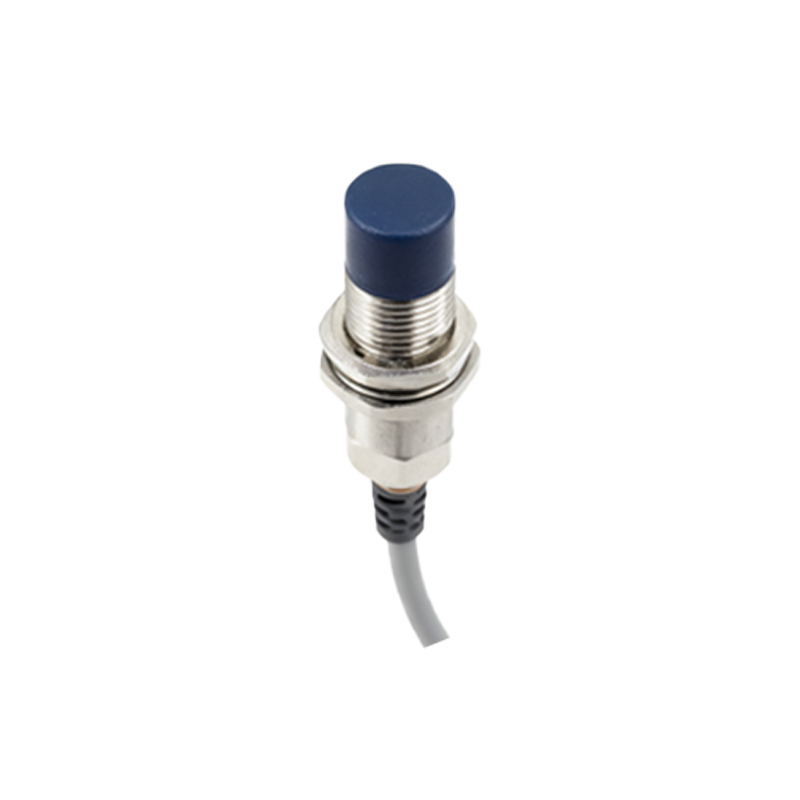
In summary, infrared proximity sensors deliver a compelling combination of durability, efficiency, speed, and adaptability. As electrical engineering continues to advance toward smarter and more automated solutions, these sensors will play a pivotal role in driving innovation, from industrial IoT to sustainable energy systems. Their proven benefits make them a cornerstone technology for engineers seeking robust and cost-effective detection solutions.